
Last updated November 24, 2026
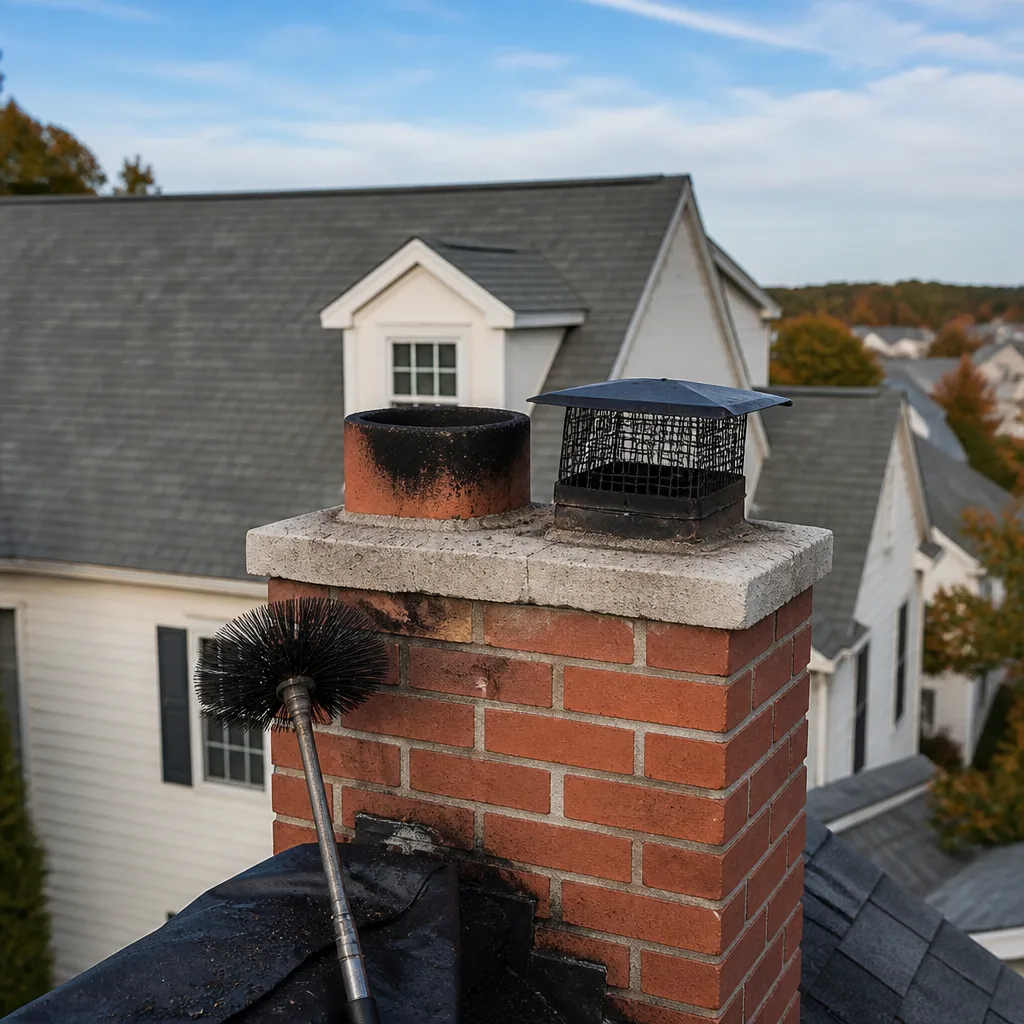 Sweep & inspection
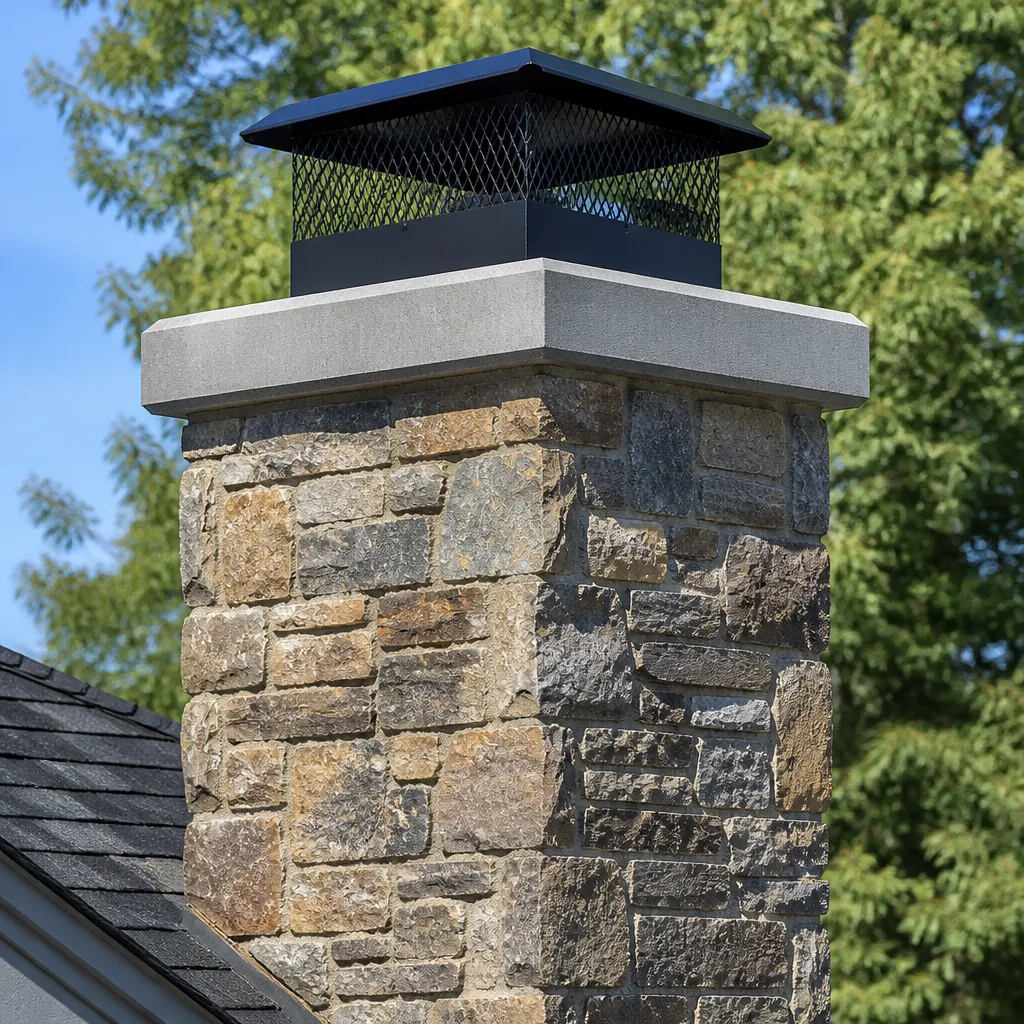 Caps & crowns
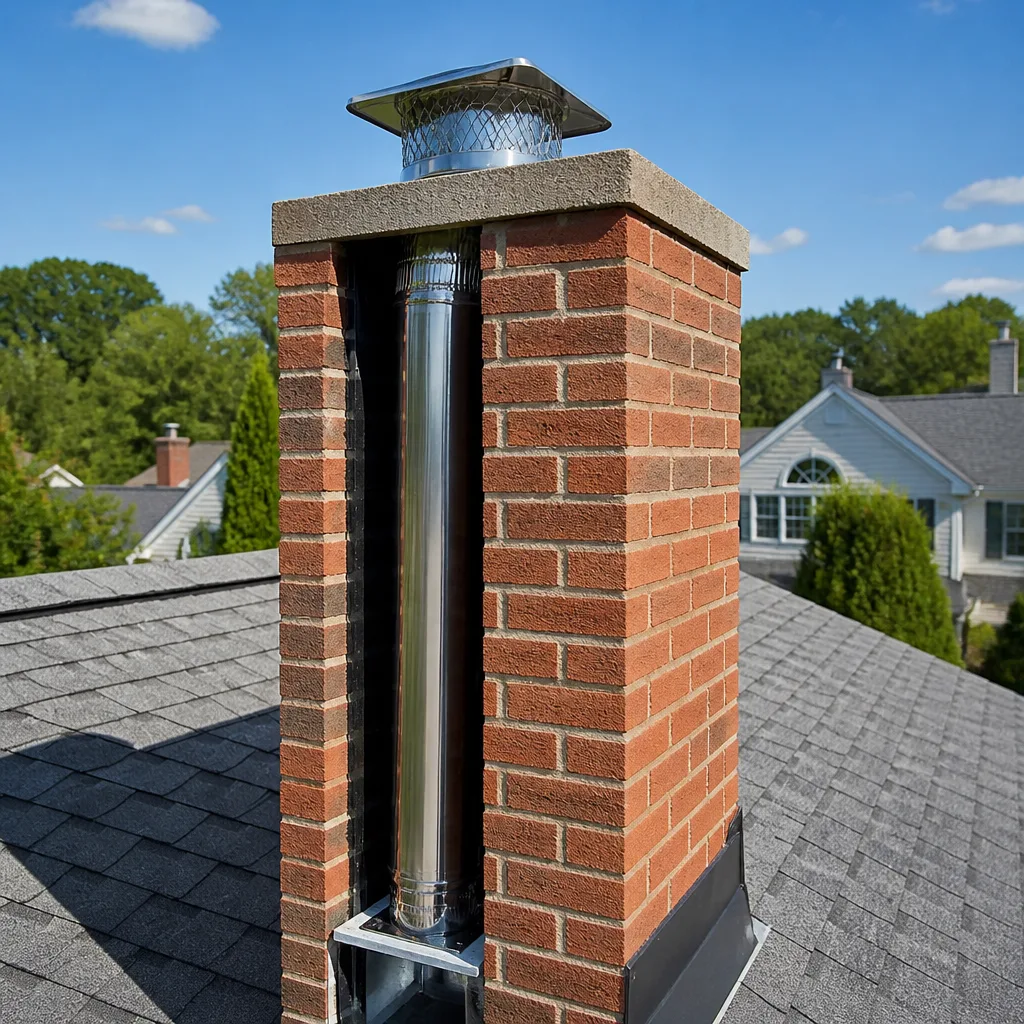 Flue relining
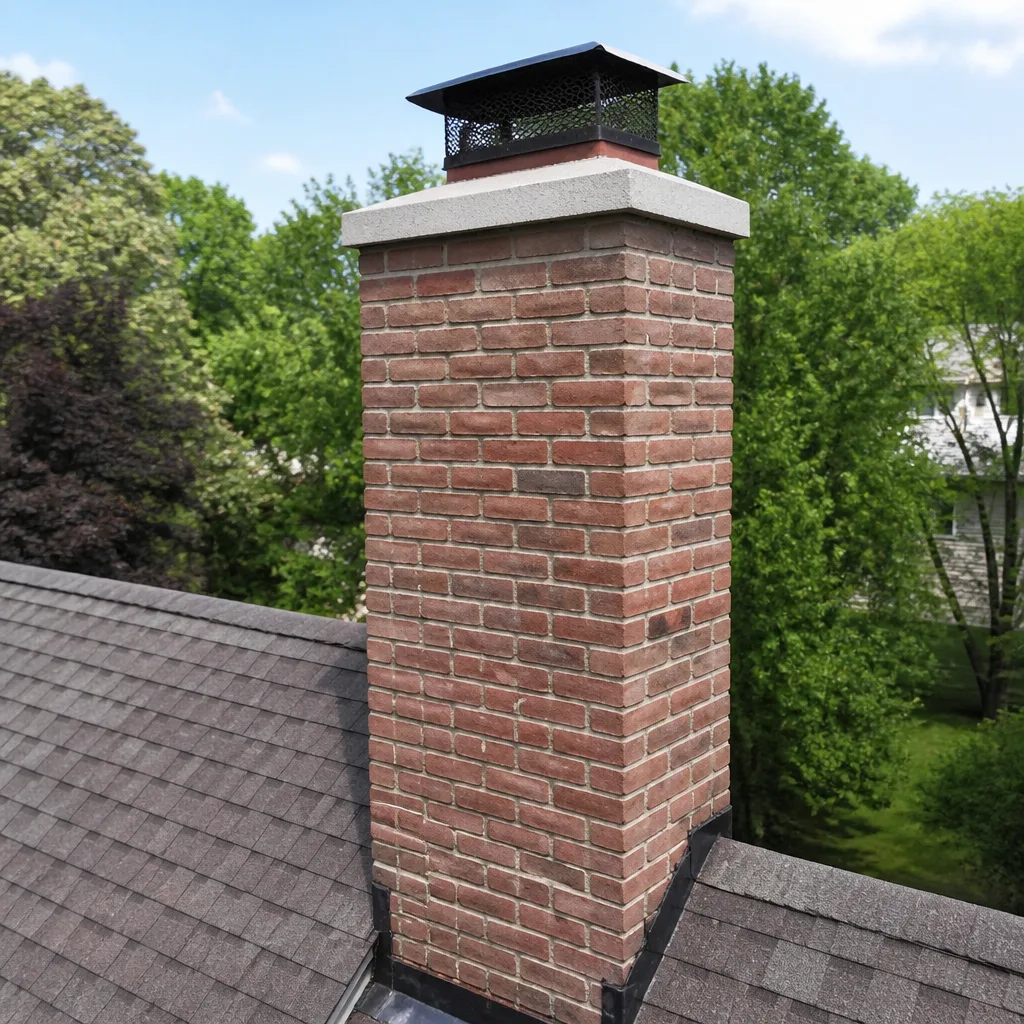 Masonry repair
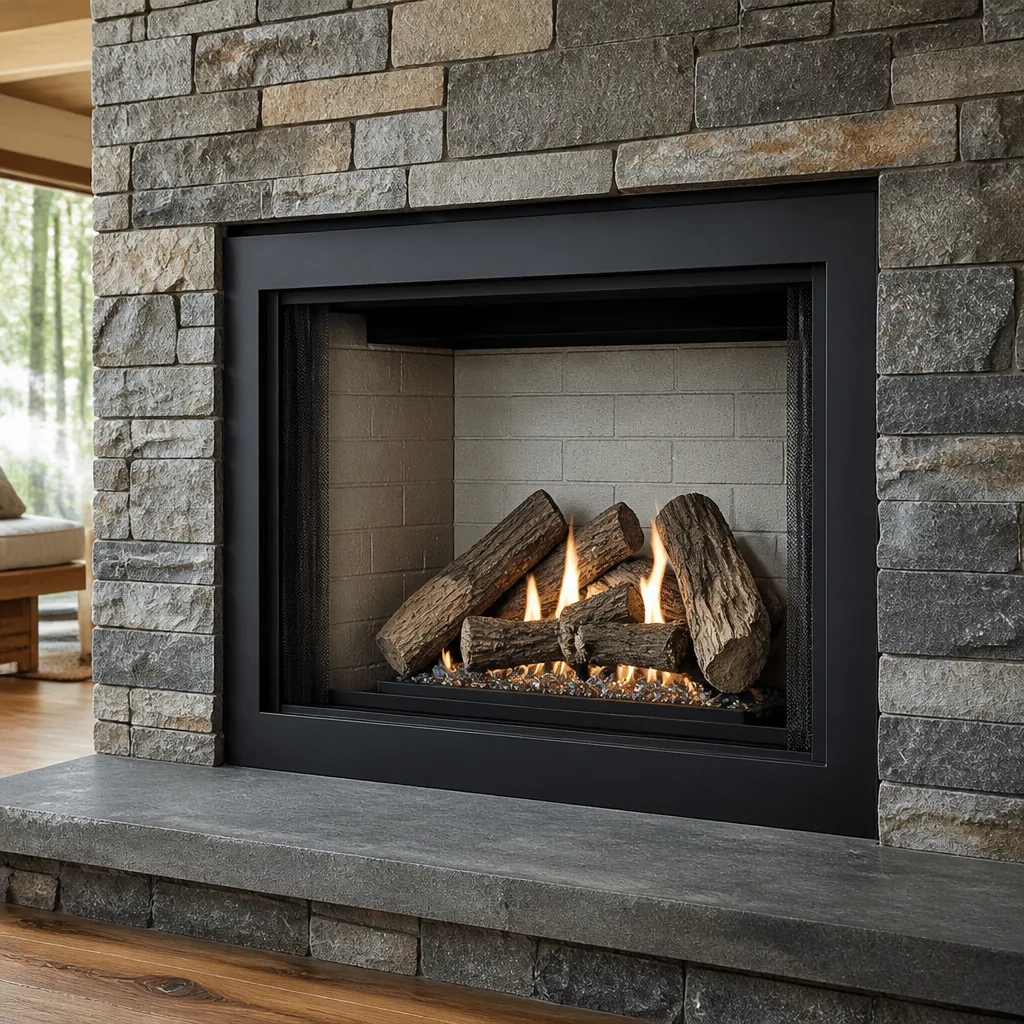 Gas fireplace service
Level 1 sweep and inspection to the NFPA 211 annual standard - flue, crown, cap, and flashing checked and photographed
Chimney sweep logs do not sweep chimneys. They loosen some creosote - which then falls where a brush and vacuum still have to collect it.
DIY vs Professional Chimney Cleaning: The Charleston Homeowner’s Decision Guide
Most homeowners think the DIY chimney cleaning question is about money. It is not. The real question is capability, and capability splits into two very different halves: physical access to the flue, and the ability to correctly judge what you are looking at once you are there. A homeowner with a shop vac and a brush can lift loose soot out of a firebox. What that same homeowner cannot do is look at a dark, glazed patch on the flue wall and know whether it is a harmless stain or the start of a deposit that has fueled thousands of house fires. This guide is an honest framework for where DIY stops being responsible in Charleston and where professional work begins. You will learn what is realistically yours to maintain, what consumer tools can’t reach, how creosote is classified, and what a documented maintenance log is worth.
Quick Answer
DIY chimney cleaning in Charleston is reasonable for between-sweep housekeeping: ash removal, damper checks, clearing debris from the cap, and looking over the exterior of the stack. It is not a substitute for an annual professional sweep and inspection. The moment you are dealing with anything beyond light, dry Stage 1 soot, a glazed or tar-like deposit, or you cannot see the flue clearly, it is a job for a trained professional. A clean chimney is the starting point, not the finish line.
Styles & brands we work with
- Sweep & inspection
- Caps & crowns
- Flue relining
- Masonry repair
- Gas fireplace service
Table of Contents
- What DIY Chimney Maintenance Can Realistically Handle
- The Technical Limits of Consumer Chimney Brush Kits
- Creosote Stages: What Each One Actually Requires
- Liability and Insurance After DIY Chimney Work in New York
- How a Condition Log Gets More Value from Professional Visits
- How a Professional Sweep Actually Works in Charleston
- The Cost Question: DIY Tools vs a Professional Sweep
- When a DIY Check Turns Into a Same-Day Repair
What DIY Chimney Maintenance Can Realistically Handle
There is a category of chimney work that belongs to the homeowner, and it is more limited than most DIY tutorials imply. Think of it as housekeeping between professional visits rather than cleaning in the full sense. Handled carefully and safely, these tasks genuinely help.
- Ash removal. Once the firebox is completely cold, scooping out ash that has built up past the top of the grate keeps airflow reasonable and makes the next fire burn cleaner. Leave a thin layer on the firebox floor, which helps insulate the fire.
- Damper checks. Open and close the damper by hand and feel for sticking, a poor seal, or a hinge that has rusted stiff. A damper that won’t close properly is a heat-loss problem and a backdraft risk, and it is worth flagging early.
- Exterior visual inspection. Walk the outside of the house and look at the stack. You are checking for loose bricks, cracked mortar joints, a rusted or missing cap, and stains on the chimney face that could indicate water getting in.
- Basic cap debris clearing. Leaves, twigs and birds’ nests lodged in an open cap can block the flue. Clearing what you can reach safely from below or with a long-handled tool is sensible, but never climb the roof to do it.
Notice what is not on this list: actually brushing the flue, inspecting the flue interior, and any work up on the roof. Those are the parts of the job that carry risk and require proper tools, and they are the parts where DIY can quietly cause harm. In Charleston’s wood-heating patterns, where many homes burn through a real winter, ash and debris build up faster than a casual burner might expect. Keeping up with the housekeeping tasks above is a legitimate way to look after your system between professional visits, as long as you know your limits. What you can do yourself overlaps with what our chimney sweep covers, and understanding the difference starts with being honest about where the tool in your hand stops.
The Technical Limits of Consumer Chimney Brush Kits
Consumer chimney brush kits are designed to be cheap and packable, which means they are compromised in three specific ways. Understanding these limits explains why a homeowner brushing a straight, standard flue may never get the flue genuinely clean.
Rod flexibility. A professional brush is fitted to rods with the stiffness to push through a full flue length while keeping contact with the walls. Consumer rods bend and flex, which means the brush tends to skip and wallow rather than scrub evenly. In an offset or angled flue, which is common in older Charleston homes where a fireplace was added or the stack had to shift around a roofline, flexible rods simply cannot follow the bend. A homeowner then either gives up partway or damages the flue trying to force it.
Brush sizing. A brush must match the flue’s exact dimensions and shape to actually scrape the walls. Non-standard flue sizes, rectangular flues, or a flue that varies over its length will not be cleaned by an off-the-shelf round brush. Too small and it cleans nothing; too large and it jams and can crack tiles.
The diagnostic gap. This is the biggest limit and the one most often overlooked. A brush cleans; it does not assess. There is no camera, no way to see the upper flue, no ability to judge a crack in a liner tile or a gap behind the flue wall. A homeowner can push a brush up a flue and pull it back down with no idea whether the system behind it is sound. That is why a professional sweep includes an inspection, and why a self-sweep that seems fine can leave a real defect unseen.
Professional-grade brush and rod systems exist precisely to close these gaps. When a flue is genuinely well beyond a standard brush, a flexible liner system like DuraFlex is specified for offset and complex flue configurations that rigid brushes and rods can’t navigate. Consumer kits have no equivalent, and that limit is physical, not a matter of effort.
Creosote Stages: What Each One Actually Requires
Creosote is the residue left by burning wood, and it does not come in one form. It builds up through three recognized stages, and the stage matters enormously, because only one of them is realistically manageable by a homeowner. Understanding the classification is the single most useful thing you can learn before deciding to clean your own chimney.
Stage 1: Light, Fluffy Soot
Stage 1 creosote is soft, dry, flaky and black or grey. It brushes off relatively easily, which is why some homeowners can make a modest dent in a lightly used, clean-burning flue with a consumer brush. Even here, though, a consumer kit often leaves a residue that a proper brush would clear, because the reach and coverage of consumer rods is limited.
Stage 2: Glazed, Hard, and Tar-Like
Stage 2 creosote has gone hard and glossy, often called glazed creosote. It is dense, fused to the flue wall, and cannot be brushed off with a consumer tool because it is chemically bonded to the surface. This is the stage where DIY stops being realistic. Stage 2 requires chemical treatment to break down the glaze followed by mechanical removal with commercial equipment. It is a genuinely more involved job than a sweep, and doing it badly can damage a clay liner.
Stage 3: Solid, Fuels a Chimney Fire
Stage 3 creosote is a heavy, tar-like, concentrated mass. It is highly combustible and it is the fuel behind chimney fires. Stage 3 is a professional job without exception, and it often points to an underlying problem such as poor draft, unseasoned wood, or a liner that needs attention. A homeowner should never attempt to remove Stage 3 creosote.
Here is the honest summary, in order of what each stage needs:
- Stage 1: Brushable. Light DIY effort may help, but a professional sweep does it completely and safely.
- Stage 2: Not DIY-manageable. Needs chemical treatment and professional mechanical removal.
- Stage 3: Not DIY-manageable and a fire hazard. Needs a professional assessment and remediation, and possibly liner restoration using a system like HeatShield or a flexible liner.
Because a homeowner cannot reliably judge the stage with the naked eye on a dark flue wall, the honest answer is that trying to clean beyond a light Stage 1 problem risks pushing a real hazard down the line. Every year of buildup you don’t address moves the deposit toward the next stage.
Liability and Insurance After DIY Chimney Work in New York
This is the piece of the DIY debate most guides skip, and it matters in Charleston, New York more than in many places.
Homeowner’s insurance policies are written to protect against losses, but they also carry expectations about maintenance. If a chimney fire causes damage, an adjuster may ask how the chimney was maintained and by whom. The relevant fact is general and it is worth stating plainly: many policies have clauses that allow an insurer to reduce or deny a claim where neglect, failed maintenance, or unpermitted modifications contributed to a loss. If a homeowner has been brushing their own flue badly, damaging tiles, or making a DIY modification that isn’t up to code, that can complicate a claim in ways a homeowner never intends.
New York building codes and most local codes treat work on a chimney, especially anything structural – masonry repair, liner changes, cap and crown rebuilds – as requiring proper workmanship. Doing structural chimney repair yourself without a permit or proper method can put a home’s code compliance in question, and it can affect resale, where a home inspector or buyer’s inspector may flag unpermitted chimney work.
None of this is a reason to be afraid of basic, non-structural housekeeping. It is a reason to define the line clearly: housekeeping done yourself is fine; repairs and flue cleaning beyond a light soot stage should leave a record of who did the work. When a professional handles it, you have documentation, the work is done to standard, and there is a paper trail that can matter if a claim is ever filed. That accountability is part of what a professional relationship provides, and it is not something a homeowner with a borrowed brush can offer themselves. Fire damage claims are not the time to discover the gap.
How a Condition Log Gets More Value from Professional Visits
Here is where DIY maintenance genuinely earns its place. Most homeowners approach a professional sweep from zero every year: they call, the technician arrives, and the condition of the system is assessed from scratch. That works, but it wastes information you already have.
The smart approach is to make your own housekeeping tasks produce a written condition log. Every time you clear ash, check the damper, or walk the exterior, note the date and what you saw. A simple notebook or a note on your phone is enough. Over a season or two, that log becomes a valuable record, and it turns a routine visit into a focused one.
Here is how a useful log is built, step by step:
- Date every entry. A log without dates is a story; a log with dates is evidence.
- Note the fuel. Record what wood you burned and whether it was properly seasoned. Wet or unseasoned wood produces more creosote, and a technician can use that information.
- Photograph exterior changes. Take a photo of the stack and cap each season so you can compare. A new crack or stain shows up best against an earlier photo.
- Record damper feel and draft behavior. Note if the fire smoked back, if the damper stuck, or if draft seemed weak. These are clues that tie to the flue’s condition.
- Bring it to the visit. Hand the log to the technician before cleaning. It changes what they look at and for.
In our experience, a homeowner who arrives with a condition log gets a more productive inspection, because the technician already knows what changed and can focus on those areas. Rather than treating each year as a fresh start, you build a picture of how the system ages. Done this way, DIY maintenance does not replace a professional visit – it makes every professional visit better, and it is what our Charleston Chimney Sweep Pros team means by handling the full chimney system rather than just the sweep.
How a Professional Sweep Actually Works in Charleston
If you have only ever seen a brush and a vac, a professional sweep is a different process. It combines cleaning with diagnosis, which is the half that DIY cannot supply. Here is what a typical professional visit involves, in the general case.
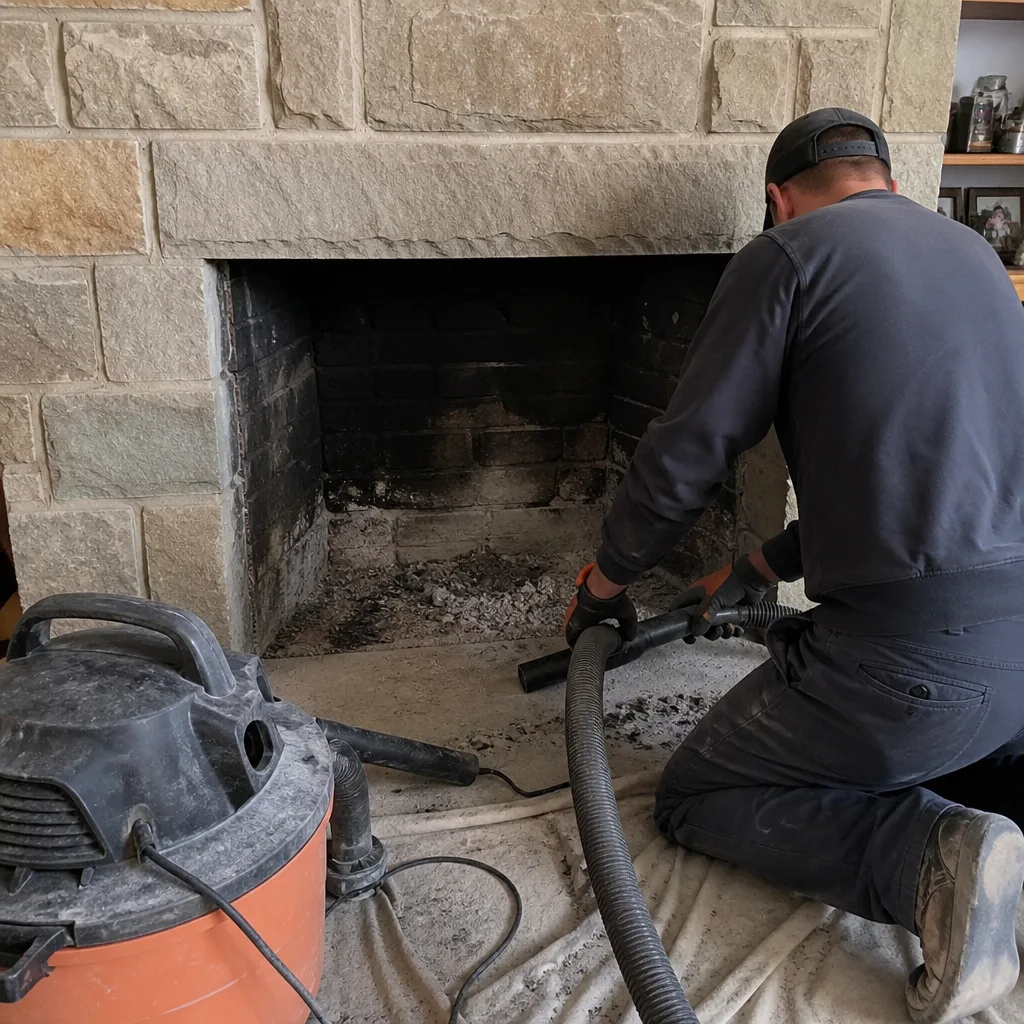
- Pre-assessment and scene protection. The technician sets up drop cloths and confirms how the system is used before touching the flue.
- Camera inspection. A flue camera lets the technician see the full length of the interior, looking for creosote stage, cracks, gaps, liner damage, and blockages. This is the step a homeowner’s brush cannot replicate.
- Sweeping with matched tools. The brush and rod system is sized to the flue and, where needed, a flexible liner approach is used for angles a rigid tool can’t follow.
- Creosote treatment if needed. Stage 2 or 3 deposits call for chemical treatment followed by mechanical removal. This is where a sweep-only service can struggle and a full-system specialist doesn’t.
- A written report and photo evidence. The technician documents condition and any defects, and you get the findings so you can see what they see.
- Repair, if required. This is the structural difference between a sweep-only operation and a full-service one: the same team that finds a problem can address it, rather than leaving you to find a separate specialist.
Charleston’s older housing stock, mixed with modern wood-burning inserts, means the flue configurations vary widely, and a sweep has to match the tool to the specific system. Where a flue is beyond a standard brushed clean – a cracked or worn liner, for example – the repair path may run through a resurfacing system like HeatShield or a flexible liner. That ability to move from cleaning to repair without a handoff is what separates a specialist from a generalist handyman with a brush. A clean chimney is the starting point, not the finish line.
The Cost Question: DIY Tools vs a Professional Sweep
Most guides compare DIY to professional cleaning on sticker price alone, which is misleading. The honest comparison is value, not the lowest number. Here is a straight accounting of the two paths, with the reminder that final pricing is always set per job by a written estimate.
- Consumer brush kit: modest one-time cost, but limited reach, limited brush sizing, and no diagnostic capability. Money spent on a tool that cleans the easy part and misses the rest.
- DIY time and risk: the real cost of DIY is risk – fall risk if you climb the roof, flue damage from an oversized brush, and the unseen defect you leave behind.
- Professional sweep: priced per job by a written estimate. It includes inspection and a report, so it delivers cleaning plus the assessment a homeowner cannot do.
- The gap that matters: a cheap self-clean that misses a Stage 2 deposit does not save money; it postpones a bigger job and adds risk.
Where does a professional sweep fit that a DIY kit doesn’t? Through inspection and diagnosis, which is exactly what keeps a small issue from becoming an expensive repair. Many homeowners have a chimney that is only lightly used and genuinely in good shape, and in that case a clean and a report may be all they need – and it is fine when work can safely wait. We tell homeowners that plainly rather than selling repairs the system doesn’t need. The judgment about what is needed comes from what the camera shows, not from a sales pitch. Call (833) 509-4937 for an exact quote. La estimación es gratuita – the estimate is free.
When a DIY Check Turns Into a Same-Day Repair
A homeowner’s diagnostic check sometimes turns up something that needs immediate attention. This is the part where knowing what to do matters. If you smell smoke, notice a strong creosote odor, see staining or efflorescence (white mineral crust) on the chimney face, or your fire starts smoking back into the room, stop using the fireplace and have the system inspected before the next fire.
The reason to act rather than ignore is straightforward: a chimney fire is a safety concern, and carbon monoxide is an odorless risk when a flue or your home’s ventilation is compromised. Those are real reasons to get a problem checked, not a scare tactic. A properly functioning system does its job quietly; when something is wrong, though, the signs are usually visible if you know what to look for.
When an inspection finds a defect, the ability to fix it without a wait matters. Because Charleston Chimney Sweep Pros handles inspection, cleaning, and repair under one roof, inspection findings are addressed in-house, eliminating the gap between who found the problem and who fixes it. A repair might mean anything from a cap or crown replacement – water intrusion is the leading cause of chimney deterioration, and a cap or crown is its most common route – to a liner repair or a full liner restoration. If the system needs structural attention, our fireplace repair and chimney cap & crown services cover the range. We handle the full chimney system. Find the problem and fix it, same team, same relationship.
Common Mistakes to Avoid
- Guessing the creosote stage. A homeowner looking at a dark flue wall cannot reliably tell Stage 1 from Stage 2. Treating glazed creosote as if it were fluffy soot means pushing the deposit toward a worse stage.
- Using an undersized or oversized brush. A brush that doesn’t match the flue cleans nothing useful, and one that’s too big can crack clay tiles. This is one of the most common sources of flue damage in older Charleston homes.
- Climbing the roof without fall protection. Clearing a cap or inspecting a stack from the roof is a genuine fall risk, especially on a wet or steep pitch. This is not a homeowner task.
- Skipping the inspection because the flue “looked clean.” Cleaning without camera inspection misses defects entirely – cracks, gaps, and liner damage are invisible from the firebox.
- Doing structural repair without a record. DIY liner or masonry work without permits or documentation can put a home’s code compliance in question and complicate an insurance claim later. Keep any professional work documented.
- Burning unseasoned wood and then blaming the flue. Wet wood produces far more creosote and is a frequent driver of buildup in Charleston homes. Seasoned wood reduces the rate but doesn’t eliminate the need to sweep.
- Using a shop vac as the entire plan. A shop vac cleans up what falls out of the firebox, not what’s fused to the flue wall. Spending more time on housekeeping and less pretending you did a sweep is the healthier habit.
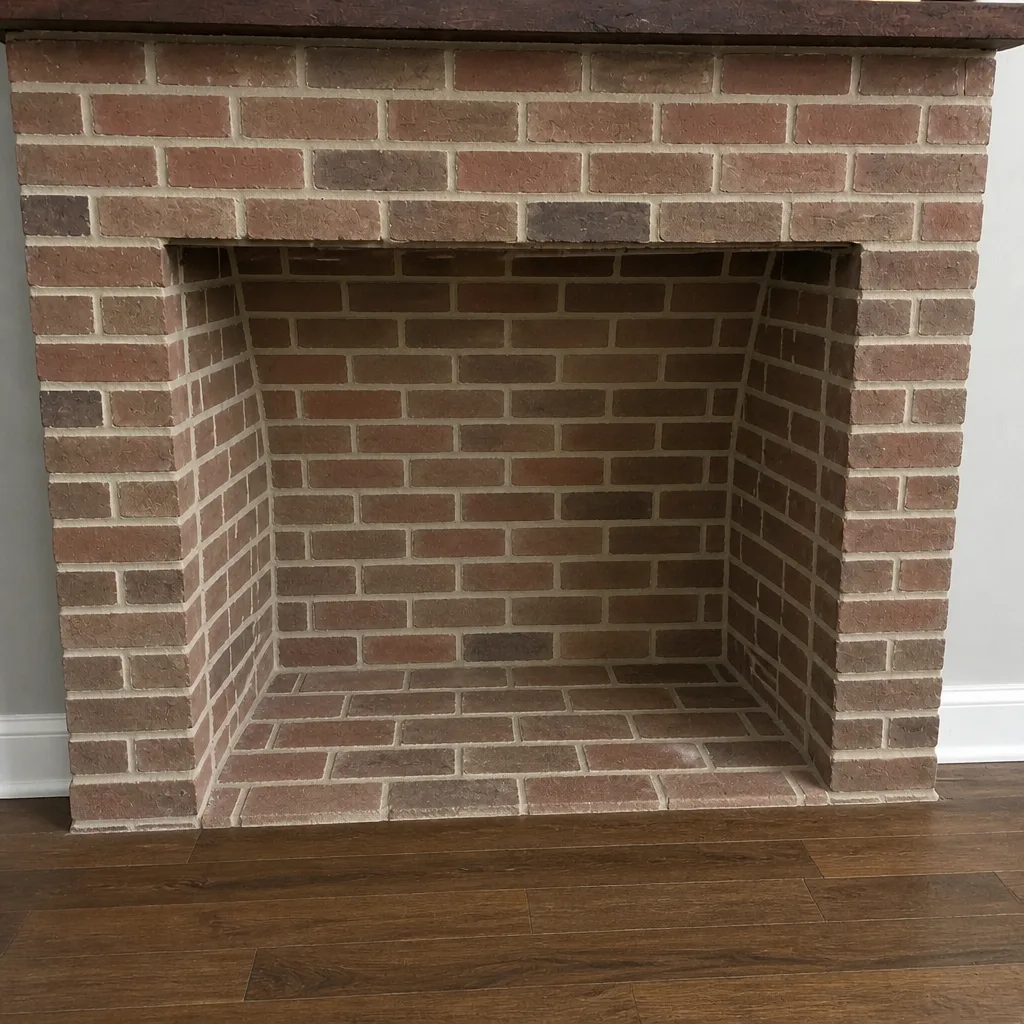
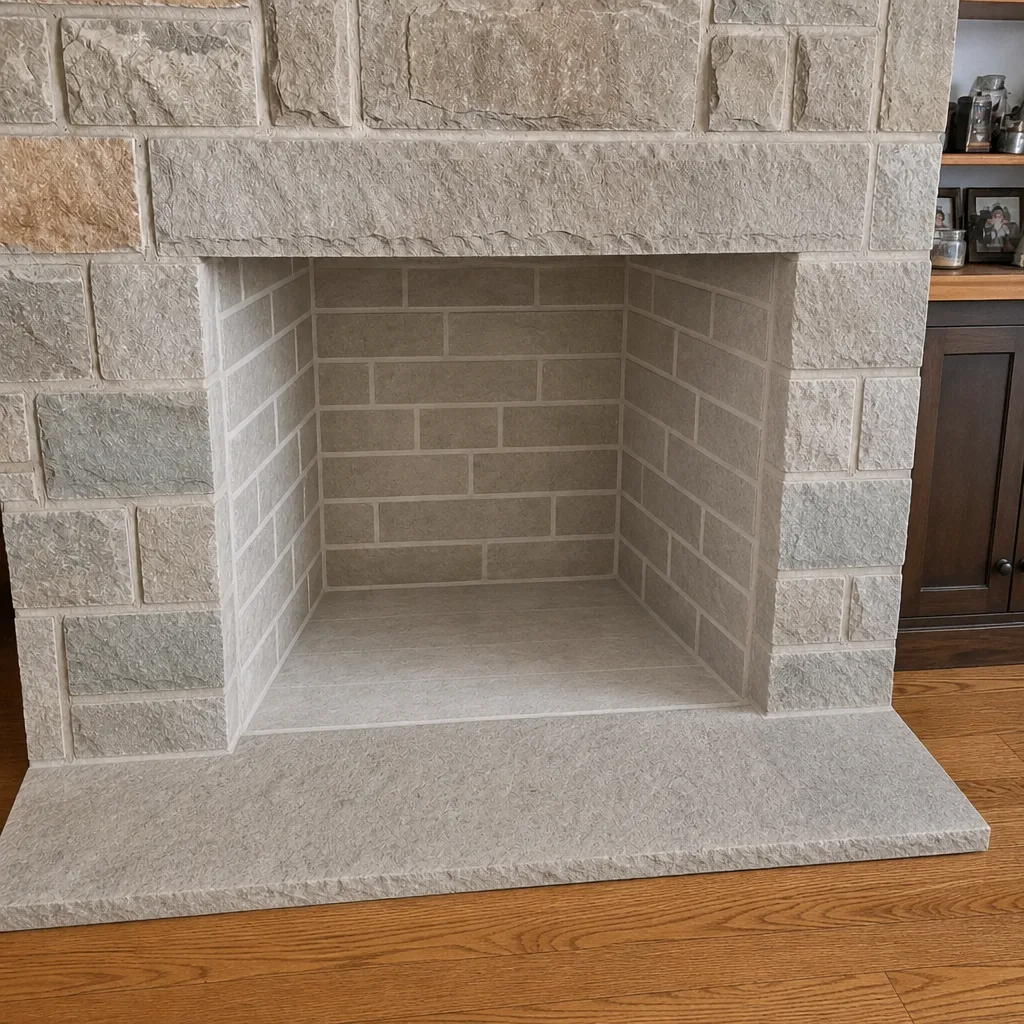
See the difference
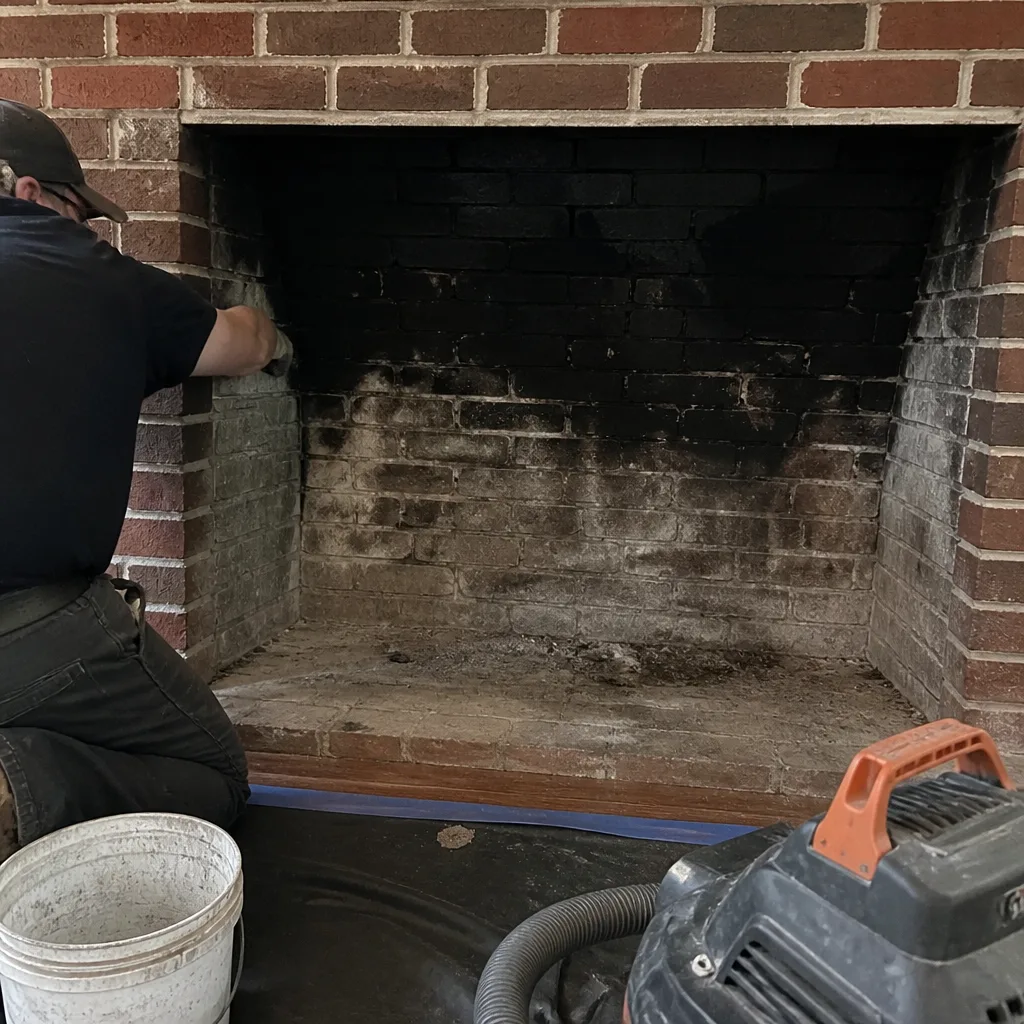 Before
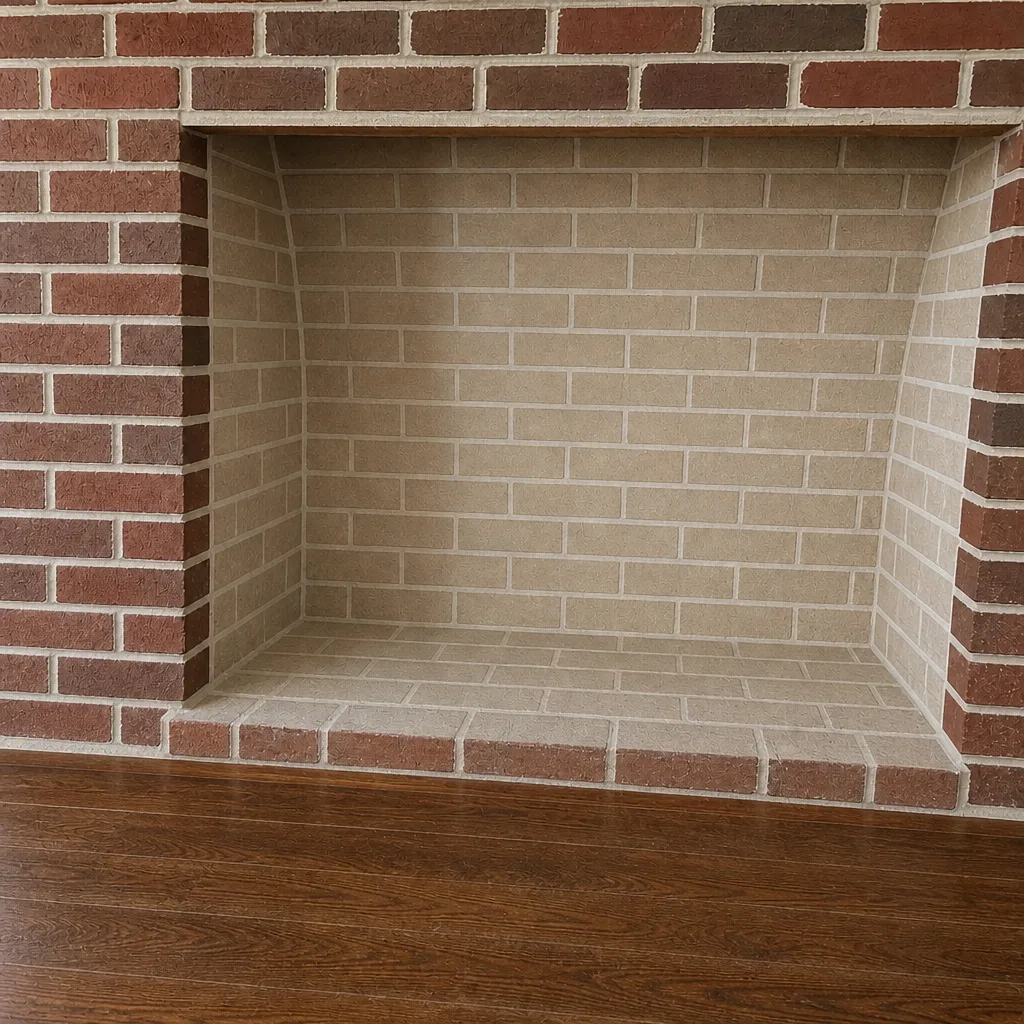 After
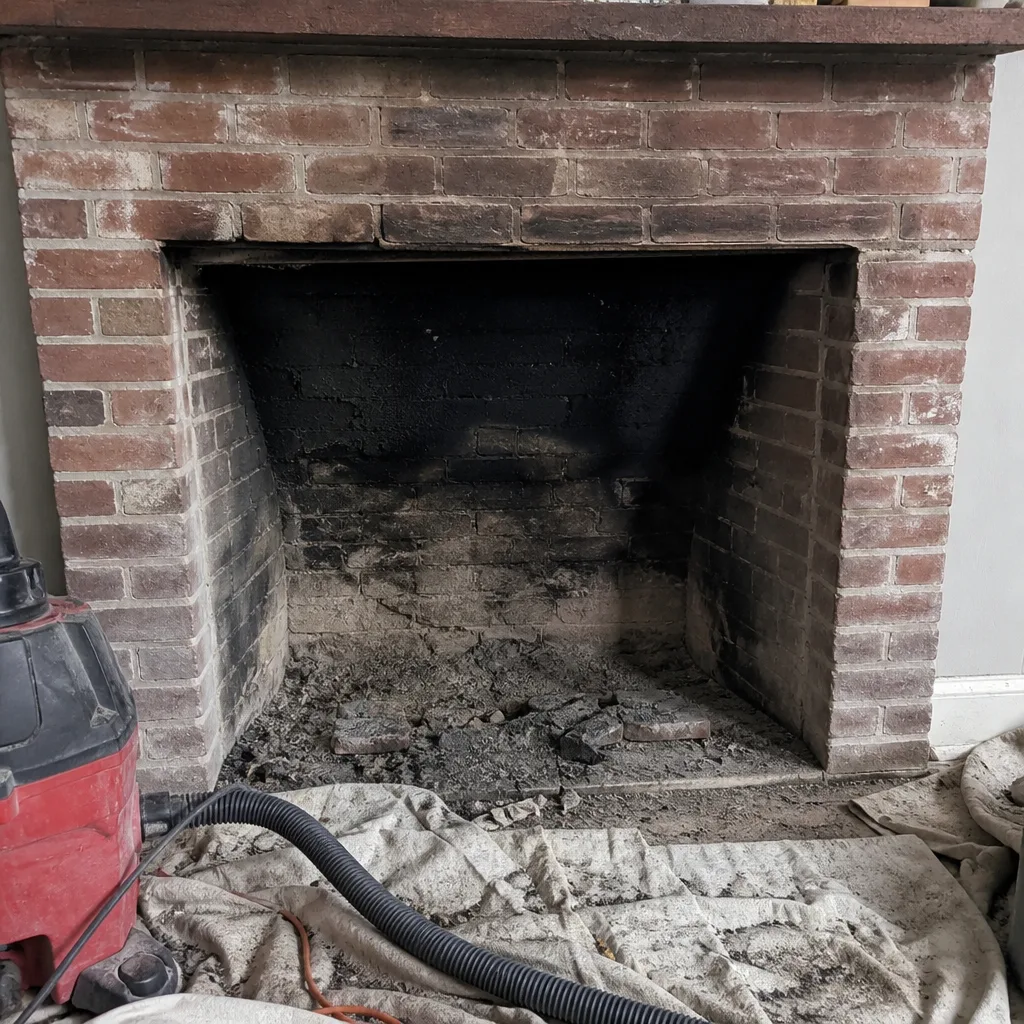 Before
 After
 Before
 After
When to Call a Professional
Call a professional when any of these are true: you see a glazed or tar-like deposit, you smell smoke or creosote, your fire smokes back into the room, you find cracks or staining, your firebox shows any sign of a chimney fire, or it has been more than a season since the last sweep. Also call if you simply cannot see the flue clearly, because that is exactly when an inspection protects you. In any of these cases, stop using the fireplace and have the system checked. Charleston Chimney Sweep Pros offers free estimates in Charleston – call (833) 509-4937. We answer 24/7. Fast dispatch from 7am to 7pm, Sunday through Friday. Pricing is set per job by the written estimate.
Frequently Asked Questions
You can handle light housekeeping and some Stage 1 soot, but a professional sweep does something consumer tools can’t: inspect the flue interior with a camera and diagnose its condition. Skipping the professional visit means skipping the assessment, which is the part that catches a real defect. A sweep plus inspection is what turns cleaning into a system check. Call (833) 509-4937 for an exact quote – estimates are free.
Once a year for an actively used fireplace is the standard rule, and more often if you burn heavily or notice a buildup problem. The sweep is timed to use, and wood-burning inserts that run through the winter benefit from an annual visit. If you have not had a sweep in more than a season, call (833) 509-4937 to get one on the books.
Creosote keeps building and moves toward a harder, more combustible stage, and small defects go undetected. That combination is what leads to chimney fires and, when a flue is compromised, to carbon monoxide risk. Smoke that lingers or backdrafts is a sign to stop and have the system inspected. Call (833) 509-4937 – we answer 24/7.
Basic housekeeping – ash removal, damper checks, exterior visual inspection, and clearing what you can reach of a cap – is reasonable DIY. Actual flue cleaning beyond light soot, and any repair, is where DIY stops being responsible. The line is the creosote stage, and reliably judging that line is itself a reason to call.
Yes. An oversized brush or one forced through an offset with flexible consumer rods can crack clay tiles or jam and damage the flue. Matching the brush to the flue matters, and it is one reason the tools differ so much between consumer kits and professional equipment. If you are unsure, best to leave the flue to a professional.
It is generally best for an adult to be present and available for questions and access to the system, so the technician can explain findings directly. Scheduling is straightforward when you call. To book, call (833) 509-4937. We answer 24/7. A call outside dispatch hours is booked into the next opening, Sunday through Friday, 7am to 7pm.
The Bottom Line
DIY and professional chimney care are not opposites, and the honest framework is not a choice between them but a division of labor. Housekeeping – ash, damper, exterior checks, cap debris, and a documented condition log – is yours and it makes every professional visit more valuable. Flue cleaning beyond light soot, creosote assessment, structural repair, and anything up on the roof belong with a professional who can inspect, clean, and fix in one visit. The creosote stage is the line, and reliably judging the stage is exactly why a camera inspection matters. That divide is what our full-system approach at Charleston Chimney Sweep Pros is built around: find the problem and fix it, one team, one visit. Call (833) 509-4937 for a free estimate. Estimates are free, and pricing is set per job by the written estimate.
Written by the team at Charleston Chimney Sweep Pros.