
Last updated November 24, 2026
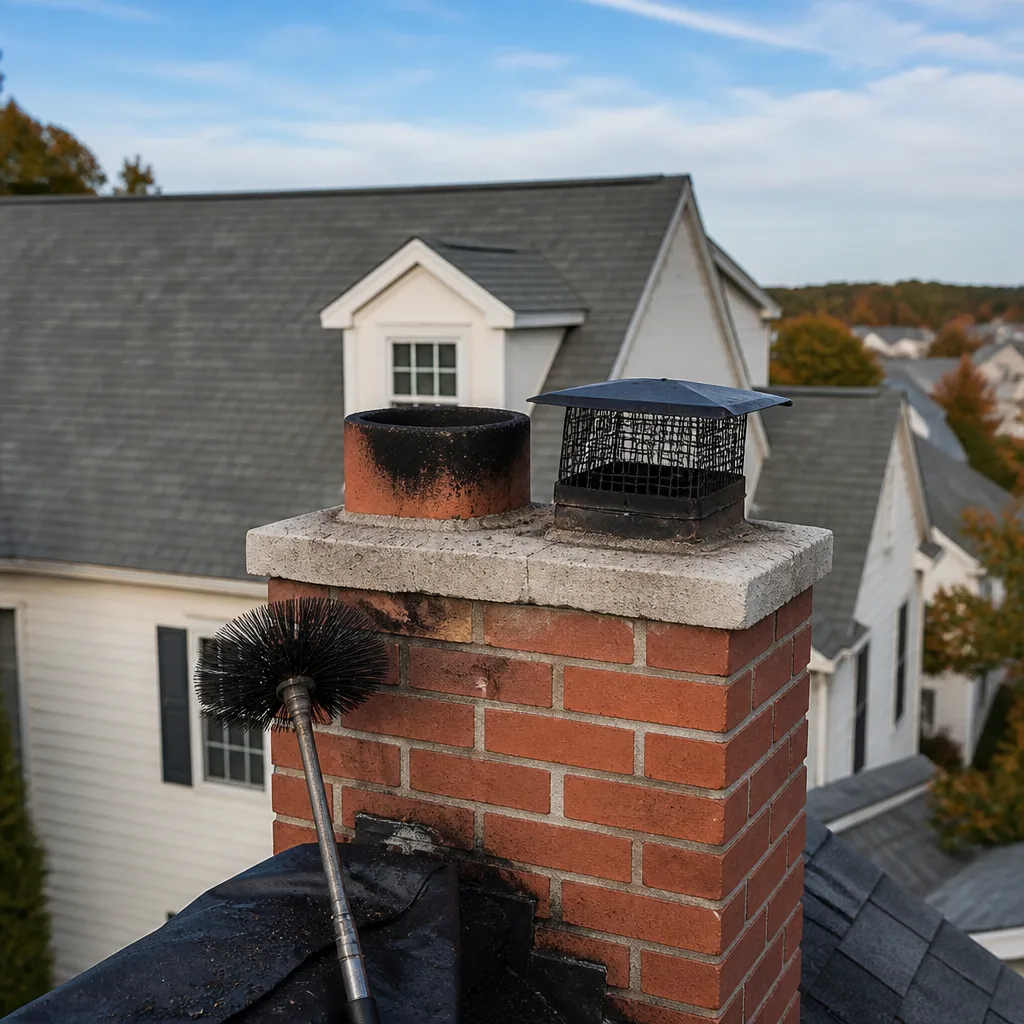 Sweep & inspection
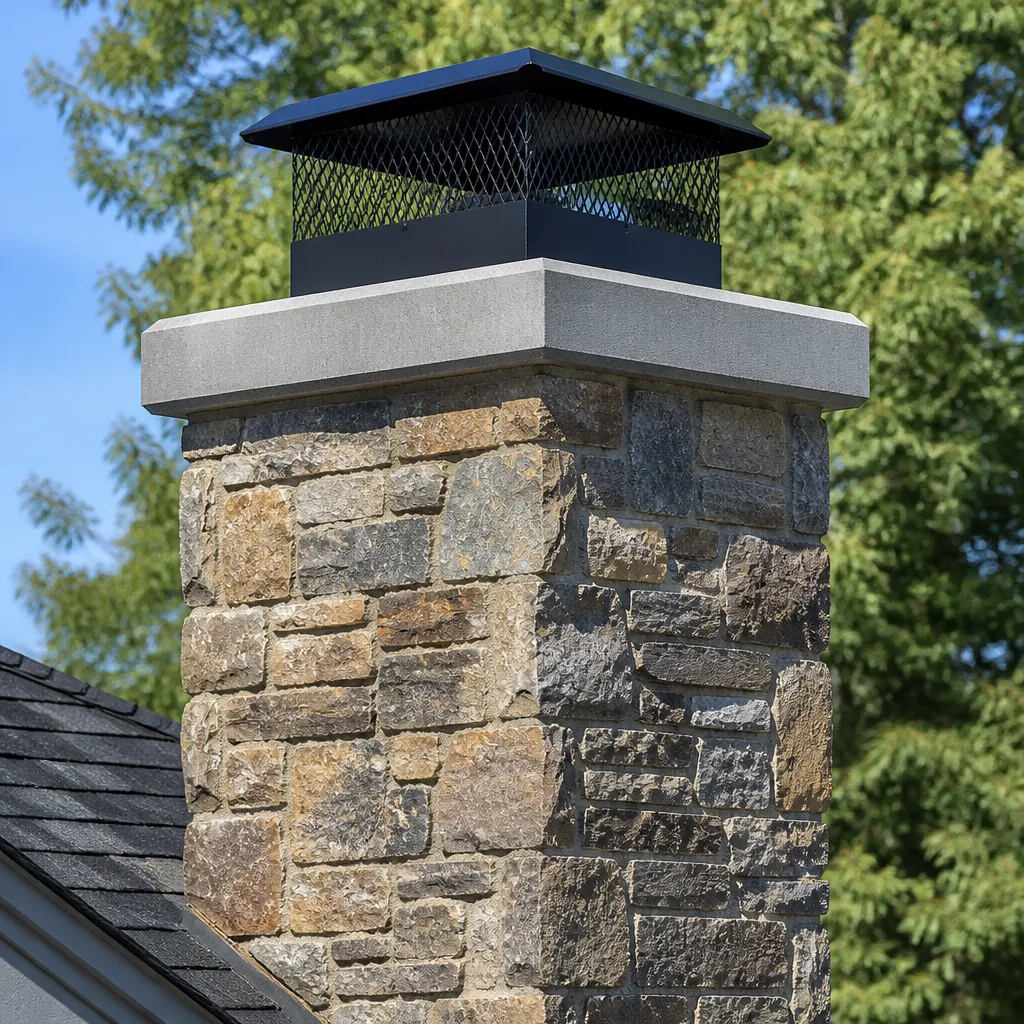 Caps & crowns
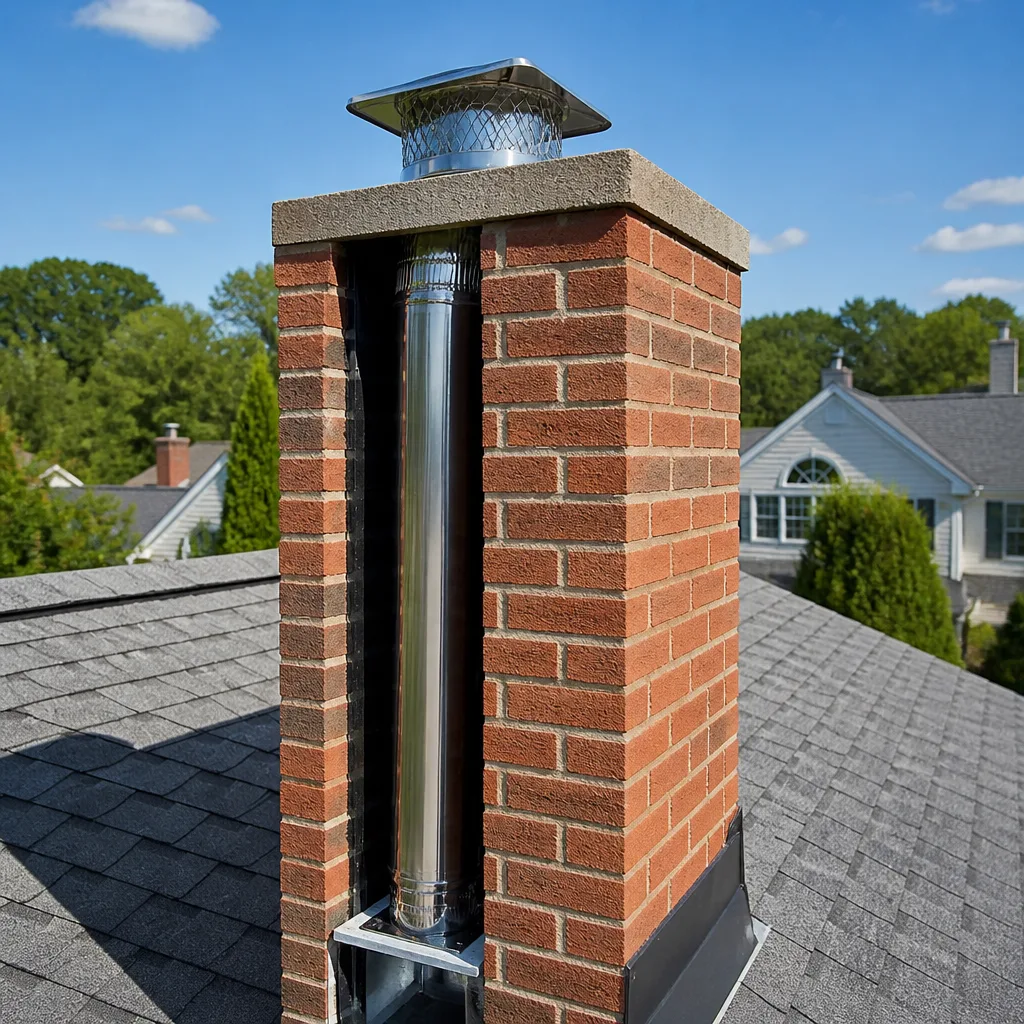 Flue relining
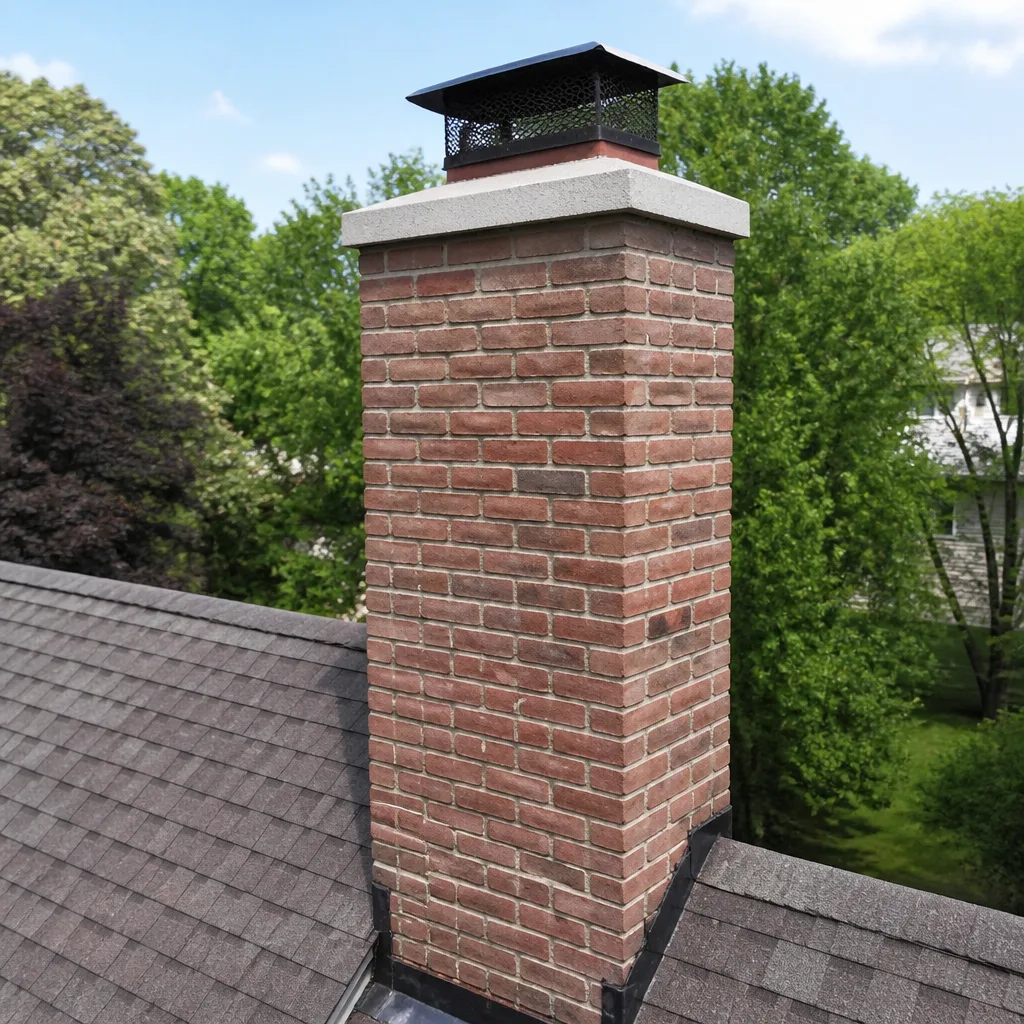 Masonry repair
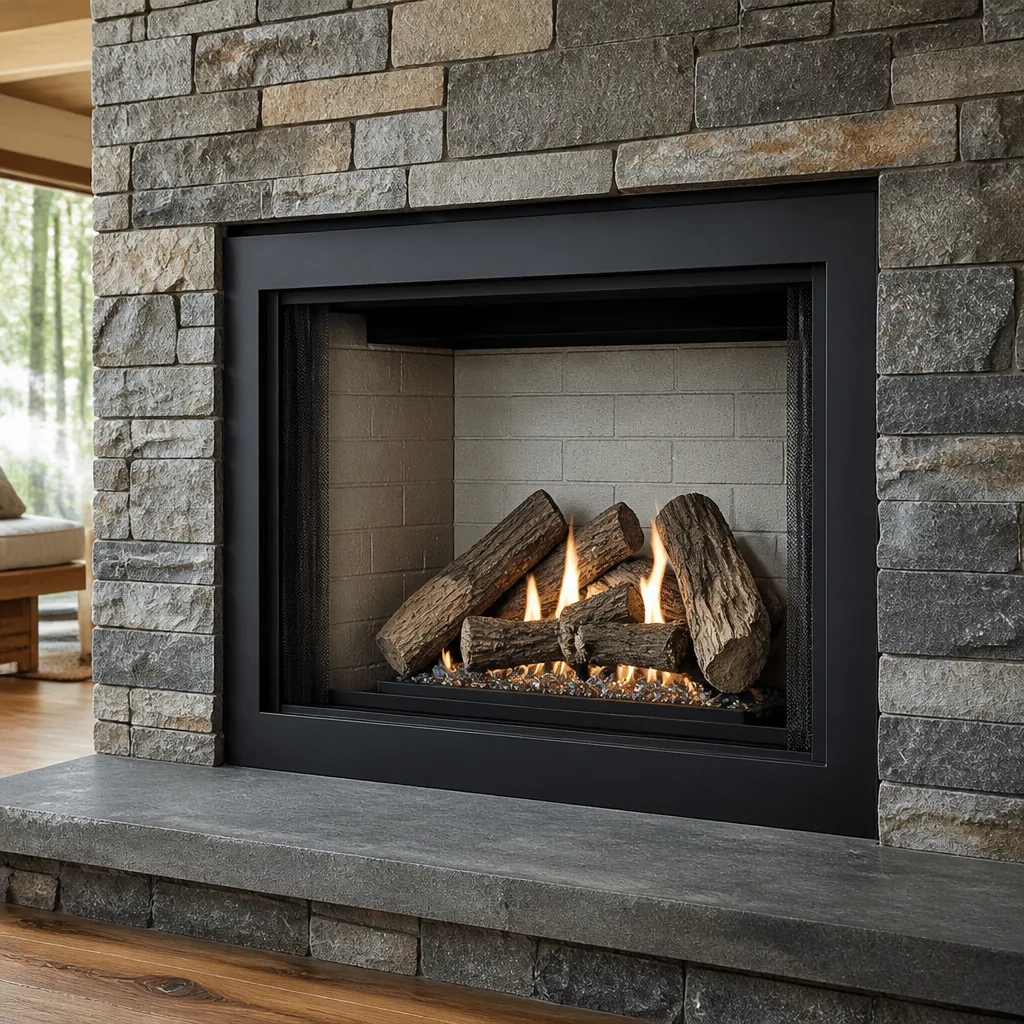 Gas fireplace service
Level 1 sweep and inspection to the NFPA 211 annual standard - flue, crown, cap, and flashing checked and photographed
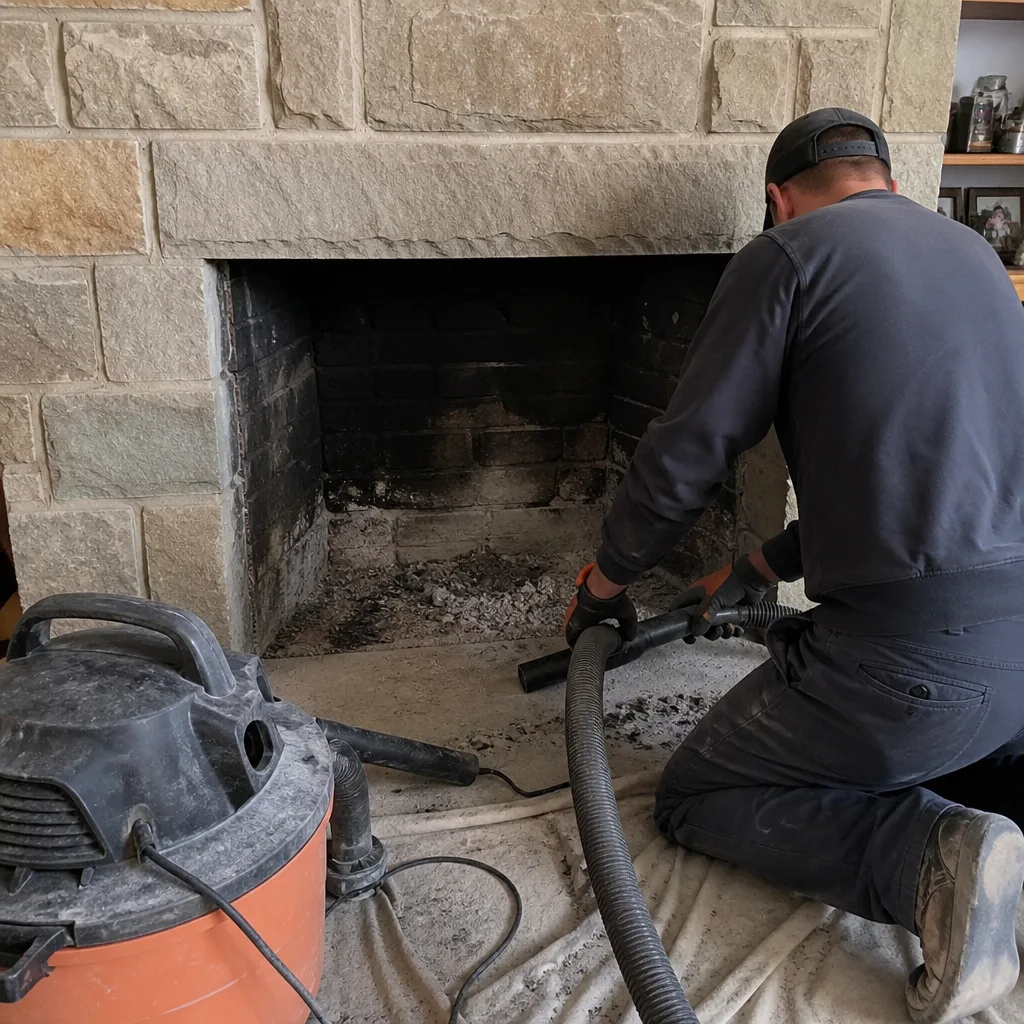
Chimney sweep logs do not sweep chimneys. They loosen some creosote - which then falls where a brush and vacuum still have to collect it.
Seasonal Chimney Cleaning Care for Charleston: Year-Round Homeowner’s Guide
Most homeowners treat chimney care as a single item on a fall checklist: sweep it, forget it, repeat next year. That approach misses the fact that a chimney is under different kinds of stress in every season, and Charleston’s weather puts that system through four distinct cycles each year. Summer is the season most people ignore their chimney completely, which is exactly when moisture intrusion from a cracked crown does its worst damage, with no fire burning to dry the masonry out. In this guide, we’ll walk through what to watch for in spring, summer, fall, and winter, how Charleston’s elevation and its position near the Hudson Valley wind corridor can affect creosote buildup, and how to tell when a professional needs to step in.
Quick Answer
Seasonal chimney care in Charleston means dealing with four different problems, not one: spring thaw stress on brick and mortar, summer moisture intrusion through the crown and flashing, fall leaf and animal blockages before the first fire, and winter performance signals like draft changes and smoke rollback. One annual sweep isn’t a year-round plan. The right approach is a spring visual check, a late-summer waterproofing window, a fall sweep, and winter monitoring during active burning. At Charleston Chimney Sweep Pros, we handle all four seasons of that work, from a chimney sweep to full crown and cap repairs.
Styles & brands we work with
- Sweep & inspection
- Caps & crowns
- Flue relining
- Masonry repair
- Gas fireplace service
Table of Contents
- Spring: What to Look For After Winter Freeze-Thaw Stress
- Summer: The Waterproofing Window Most Homeowners Miss
- Fall: Leaf Accumulation and the Best Time to Sweep
- Winter: Monitoring Your Chimney During Active Use
- How Charleston’s Elevation and Wind Affect Creosote
- Your Charleston Chimney Care Calendar
- Common Mistakes to Avoid
- Frequently Asked Questions
Spring: What to Look For After Winter Freeze-Thaw Stress
Winter is hard on a chimney’s shell, not just its flue. When water gets into brick or mortar and then freezes, it expands, and repeated freeze-thaw cycles in a Charleston March and April can slowly break down the surfaces that looked fine in December. That’s why spring is the right time for a close visual check of the outside of the system.
Here’s what we look for during a spring assessment:
- Spalled brick faces. Spalling means the outer layer of a brick has flaked or popped off. You’ll see a rough, crumbly patch where a smooth face used to be. It’s a sign that moisture has been getting in and freezing.
- Crown cracking. The crown is the sloped concrete or masonry cap at the top of the chimney. Hairline cracks widen with freeze-thaw, and once water gets through, it works down into the structure.
- Flashing separation. Flashing is the metal that seals the joint between your chimney and the roof. If caulk or metal has pulled away, water is running straight down the side of the chimney.
- Loose mortar joints. Run your eye down the mortar lines. Gaps, crumbling joints, or pieces falling to the roof are early warning signs.
Spring is also the ideal time to book a full inspection, since the findings feed into what needs waterproofing in summer. When our inspection turns up something, we repair it in-house rather than handing you a note and a referral. From fireplace repair to repointing masonry, the fix comes from the same company that did the inspection.
Why Spring Findings Matter So Much
Every crack or gap you find in spring gets twelve months of moisture and freeze cycles if you leave it. Catching it in April means summer waterproofing can seal the surface before the next winter. In our experience, a surface that’s sealed in warm, dry weather holds up far better than one patched in cold, wet conditions.
Summer: The Waterproofing Window Most Homeowners Miss
Summer is when the chimney is out of sight and out of mind. No fire, no smoke, no sounds. But it’s also the best window of the year for waterproofing the exterior, and the season when a cracked crown does its quiet damage. Masonry absorbs moisture year-round, but in warm months, the damage takes a different form than it does in winter.
Think about the difference:
- Cold-season moisture freezes inside the masonry. Water expands as it turns to ice, and that physical pressure is what spalls brick and widens cracks.
- Warm-season moisture soaks in and sits there. Damp brick and mortar don’t dry out, they get softer. It’s a slower process, but it leads to the same place: weak masonry and a chimney that needs real repair.
A dry, warm summer day is when waterproofing and crown work should be applied. There’s no fire drying things out from the inside, so the exterior has to do the job. That’s why we recommend a summer window for the outside work.
Protect the Crown and the Cap Before the Wet Months Return
Water intrusion is the leading cause of chimney deterioration. The two places it comes in are the crown and the cap. A cracked crown lets water into the structure, and a missing or damaged cap lets water and debris fall straight down the flue. A chimney cap & crown service in a warm season gives the system a chance to be sealed and dry before fall. We install with Copperfield and Famco components, the kind of professional-grade materials chimney engineers specify. Also on the summer list: get a bird or animal check done before fall nesting season begins. It’s easier to close a flue off in July than in October.
Fall: Leaf Accumulation and the Best Time to Sweep
Fall leaf accumulation matters more than a lot of homeowners realize. Leaves blow into a flue, get stuck against the screen or the smoke chamber, and build a physical blockage. That’s a fire and airflow risk, and it’s also why fall is the animal nesting season. Squirrels and birds look for warm places to settle, and a chimney without a proper cap is a warm place.
The timing matters more than the calendar date on your reminder app. Here’s how to get it right:
- Book a sweep before your first fire, not after. The whole point of a fall sweep is to clear what built up during last winter and over the summer. If you sweep after your first fire, you burned through a season of ash and a possible blockage.
- Do a visual check from the ground first. Look up at the cap and crown. If you see leaves sticking out, an animal guard knocked loose, or visible blockage, don’t light a fire until it’s checked.
- Schedule early fall if you burn heavily. A fireplace used often in winter builds creosote faster than one used occasionally. In Charleston, a home in a valley or in a treed area may need a mid-season check as well.
- Never test a chimney with a lit match. Use a flashlight up the flue, or call for an inspection. Testing airflow with a flame is a fire risk and not the way to check draft.
The Relationship Between Leaves, Nests, and Blockage Risk
Blockage is a hazard the guide has to name plainly. A blocked flue means exhaust and carbon monoxide have nowhere to go but back into the room. Fall is when that risk peaks because it’s the season when leaves fall and animals seek shelter. A cap keeps both out, which is why we treat a missing or damaged cap as a priority before the fire season starts.
Winter: Monitoring Your Chimney During Active Use
During the burning season, your chimney tells you how it’s doing in real time. You don’t need special equipment to catch problems if you know what to watch. These are the signals worth your attention:
- Draft behavior. A fire that starts slowly, needs a lot of convincing, or pushes smoke back into the room is struggling. Cold air, a blockage, or a damaged flue can cause it. Smoke rollback is a signal to stop burning and get it inspected.
- Odor changes. A sharp, acidic smell when the chimney is cold can mean creosote buildup. A musty or smoky smell during the off-season can point to moisture or a blockage. Either one is a reason to book an inspection.
- Creosote signs. Look up the flue occasionally. Glossy, hard, or flaky black deposits indicate creosote. Any amount beyond light soot should be swept out by a professional.
- Smoke color and amount. Dense, dark smoke means poor combustion and a faster creosote buildup. It’s worth adjusting how you burn and checking the flue.
Winter is also when carbon monoxide risk matters most. The CO sensors that belong in any home with a fuel-burning appliance are cheap insurance. We’d rather you know the risk in plain terms than find out the hard way.
What Will Tell You to Stop Burning
Some signs say “get this looked at soon.” Others mean “stop burning tonight.” Smoke rollback, a CO alarm, a sudden change in draft, or anything that looks like a blockage falls into the second category. Any of those and the right move is to put the fire out, open a window, and call for an inspection before your next fire. Never burn through a blockage or a draft problem.
How Charleston’s Elevation and Wind Affect Creosote
Creosote depends on several things: the fuel you burn, how hot the fire runs, and how the flue performs. Charleston sits in the Hudson Valley area with its own wind corridor, and elevation and wind affect how a flue drafts. A flue that drafts unevenly burns cooler, and cooler fires leave more of the unburned creosote that sticks to the flue walls. That’s why a home here can build creosote faster than a city property of the same size.
Elevation and wind affect the chimney in a few real ways:
- Wind over the flue top. Strong, gusting wind can cause downdrafts. A downdraft pushes smoke back into the room and cools the flue, which encourages creosote to condense.
- Elevation and air density. As elevation rises, the air thins out, and a flue’s natural draft can become less predictable. That shows up as a slow-starting fire or a flue that won’t warm up.
- Wind around the structure. Trees, rooflines, and adjacent buildings create turbulence. A flue top that sits in the turbulent zone won’t draft as smoothly as a clear one.
The result is that a Charleston home can be at higher risk for creosote buildup than a home with the same fireplace in a flat, sheltered setting. That’s not a reason to worry. It’s a reason to sweep on time, burn seasoned wood, and give the flue a real inspection each year. Our technicians have up to 12 years of experience, and they’ve seen how a draft behaves in the Hudson Valley wind corridor. When a draft is off, we can line the flue with a DuraFlex flexible liner, which is built for the offset or older flue configurations that rigid liners can’t handle.
Your Charleston Chimney Care Calendar
Here’s the year put together as a plan you can follow. Four seasons, four actions, one system.
Spring (March to May)
- Visual check of exterior brick, mortar, crown, and flashing.
- Repair any spalling, loose joints, or flashing separation.
- Book a full inspection to catch what the eye can’t.
Summer (June to August)
- Seal and waterproof the exterior in warm, dry weather.
- Replace cracked crowns and missing caps before the wet months.
- Check for animal activity and close off the flue.
Fall (September to November)
- Sweep before the first fire, not after.
- Clear leaves and nesting material.
- Check the cap and screen from the ground.
Winter (December to February)
- Watch draft, odor, and smoke color during active burning.
- Keep carbon monoxide sensors in working order.
- Stop burning and call for an inspection if performance changes.
If a year-round plan sounds like a lot, it isn’t. Most of it is checks you can do yourself, with the fixes and the inspection at each season’s window. We offer all five of our services in one company, so a spring finding becomes a summer repair without a handoff. Whether it needs a sweep, a rebrick, or resurfacing with HeatShield, the same company handles it from inspection to finish.
Common Mistakes to Avoid
- Thinking once a year is enough. One annual sweep ignores the spring, summer, and winter phases that stress the system. A Charleston chimney needs a look in more than one season.
- Waterproofing in cold weather. Sealing or repairing masonry in freezing temperatures gives you a weak bond. Do the waterproofing in the warm months when the surface dries properly.
- Waiting until after the first fire to sweep. If you light the fire first, you burn through whatever built up over the previous winter and summer. Sweep in early fall, before your first fire of the season.
- Leaving the cap off during nesting season. Fall is when animals look for warmth. A missing cap turns your flue into a home for them. Get it back on before September.
- Burning wet or unseasoned wood. Cooler fires leave more creosote. In a Charleston wind zone, that buildup accents the drafts. Seasoned wood bounces back with a hotter, cleaner fire.
- Ignoring smoke rollback or a draft change. A fire that suddenly pushes smoke into the room is telling you something. Don’t burn through it; get it inspected.
- Skipping a summer moisture check. The cracked crown that no fire dried out in July is usually the damaged crown in November. Seal it while the weather is warm and dry.
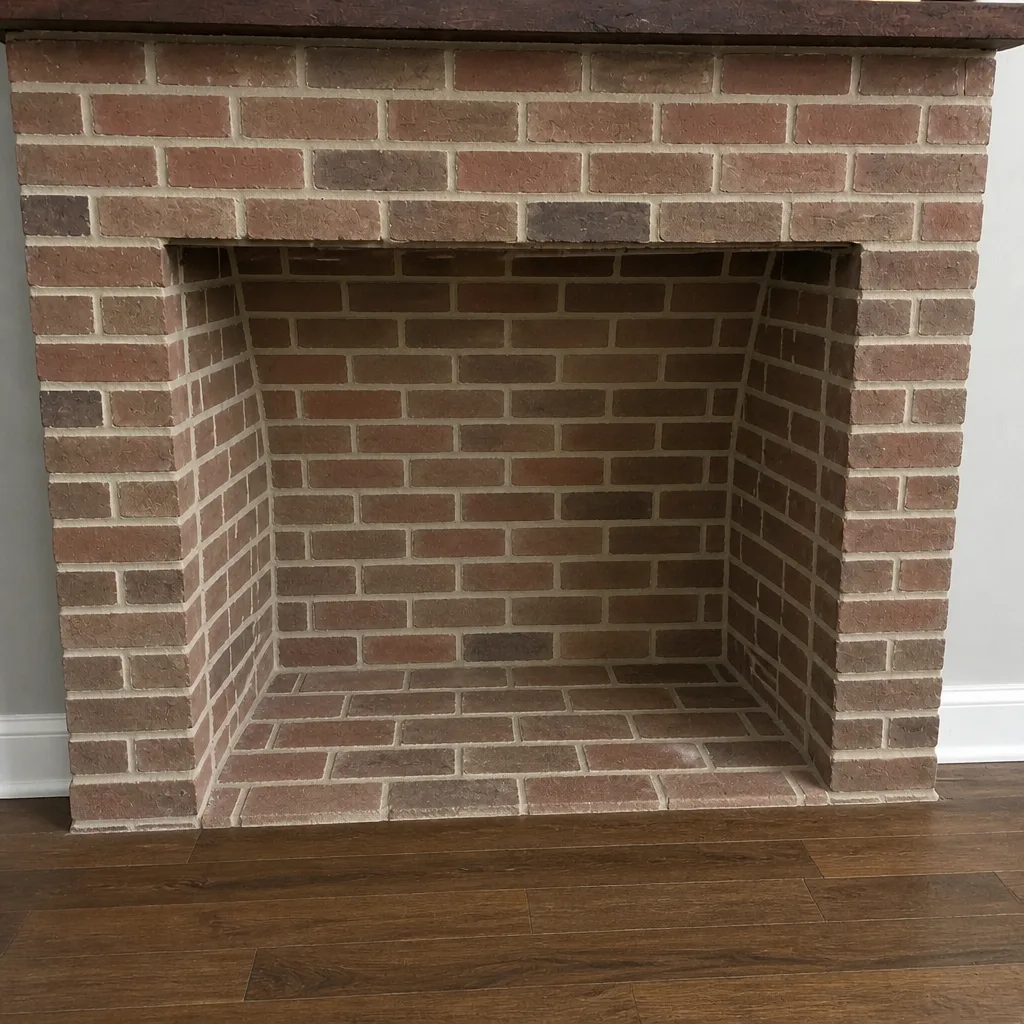
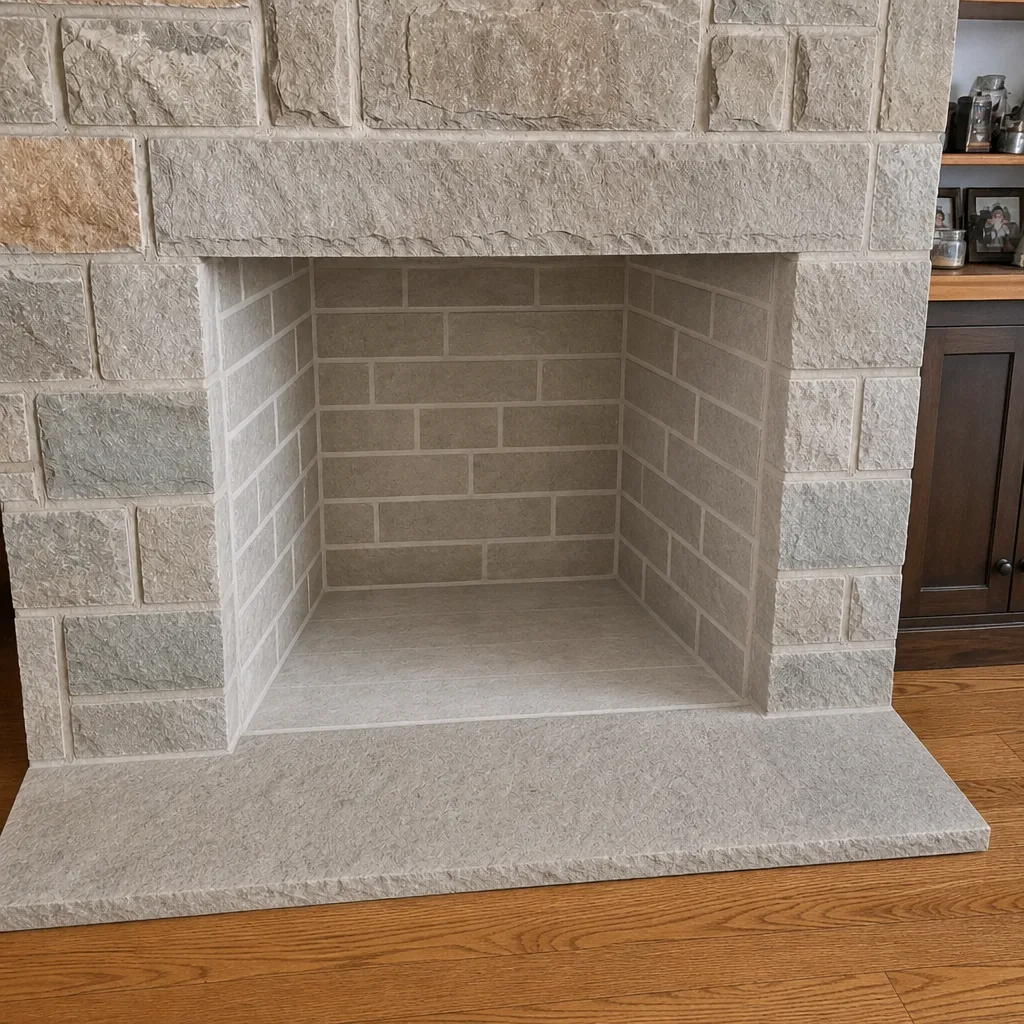
See the difference
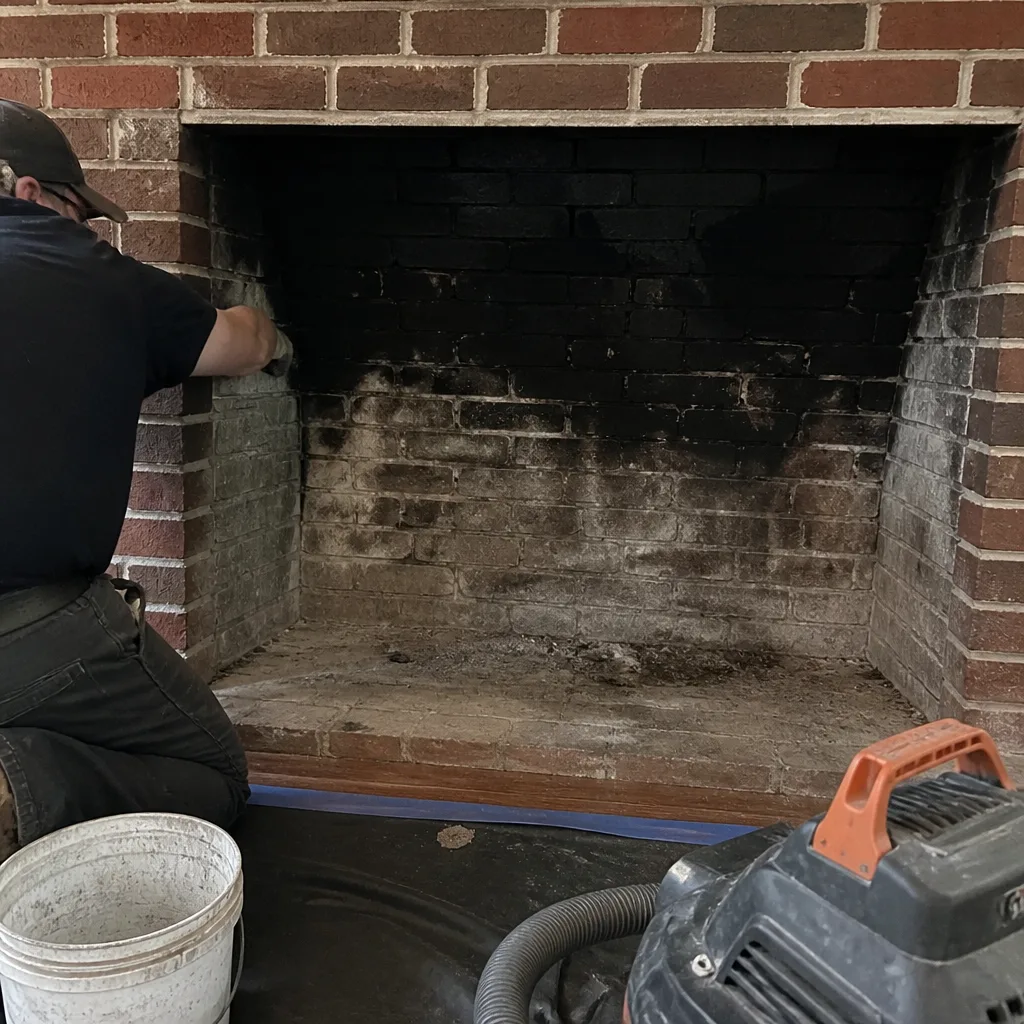 Before
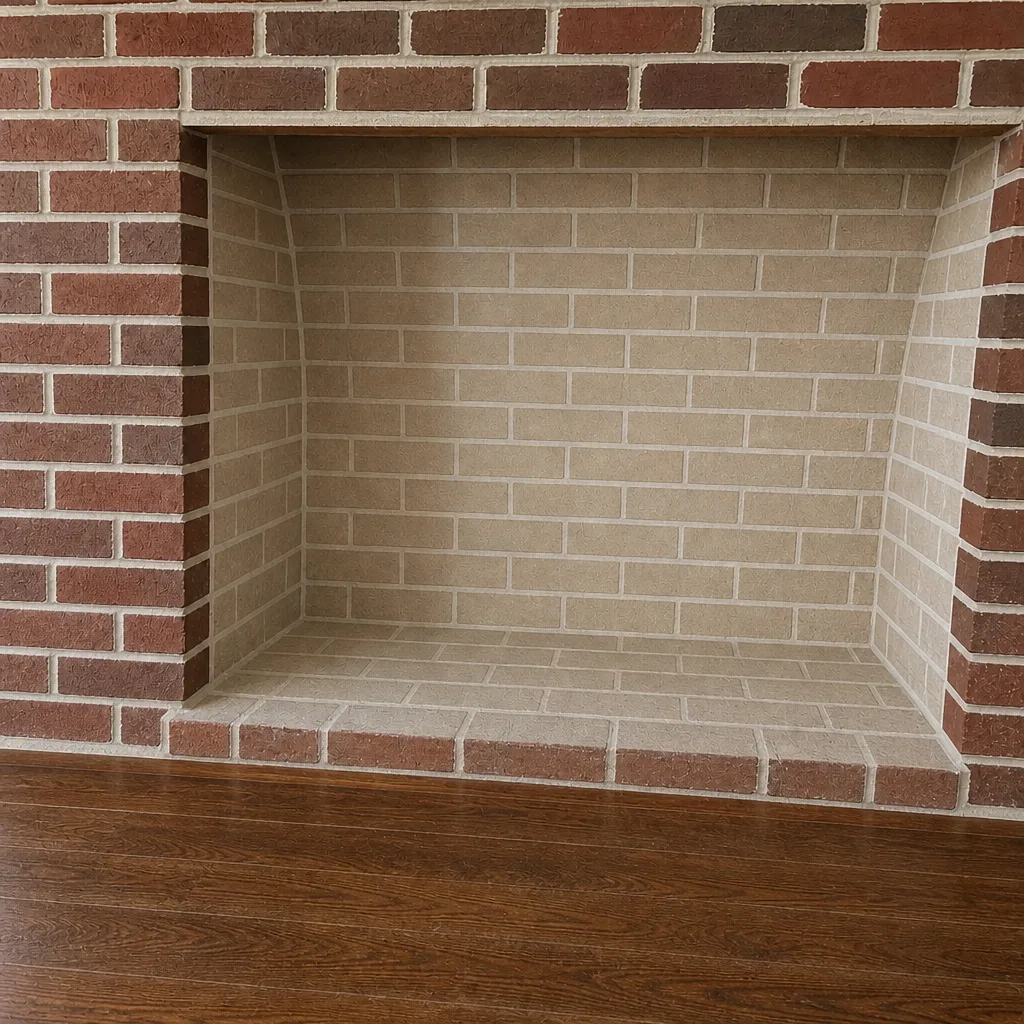 After
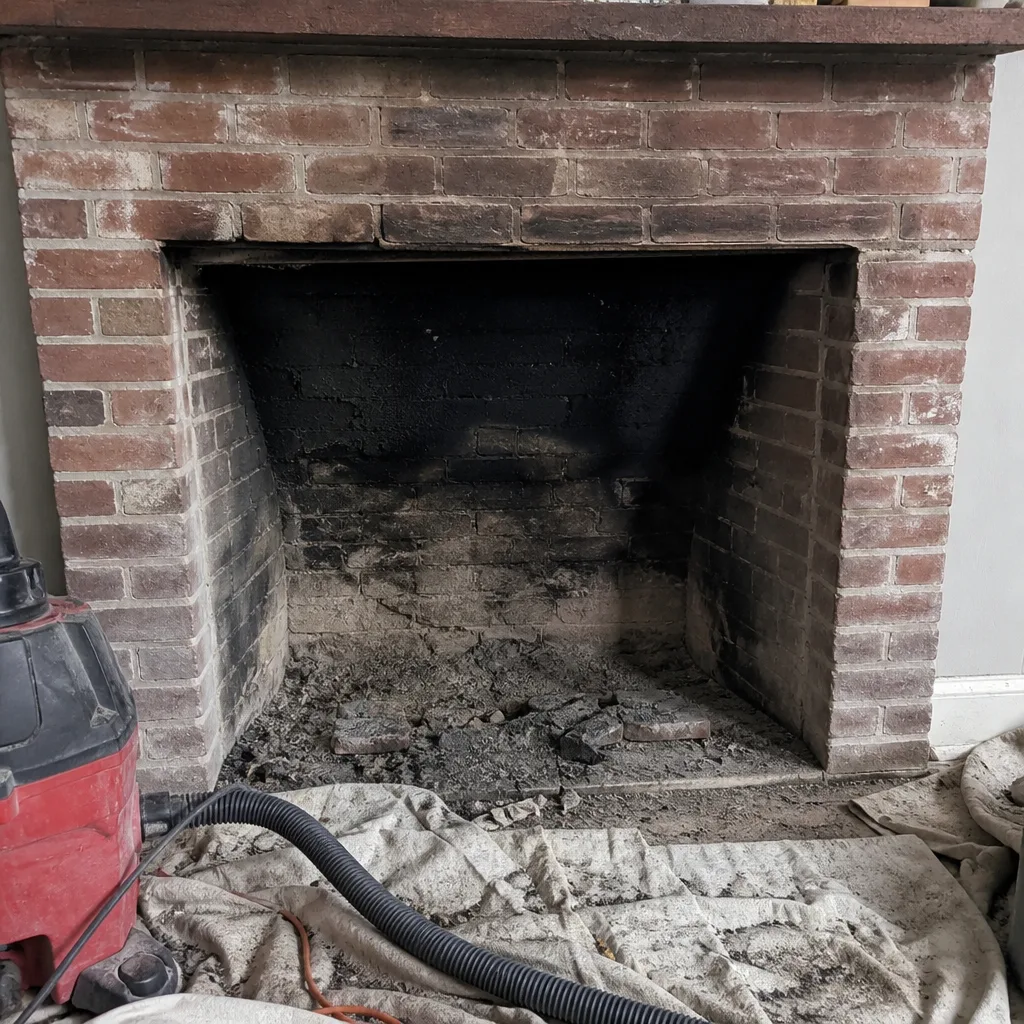 Before
 After
 Before
 After
When to Call a Professional
Some problems are fine to keep an eye on. Others need a trained hand on them. Call a professional if you see spalled brick, a cracked crown, loose or missing flashing, or a cap that’s come loose. Call if you’ve had smoke rollback, a CO alarm, a draft that’s suddenly weak, or an odor that won’t clear. Call before your first fire if you didn’t sweep last season, or if you’ve seen leaves or animal activity in the flue. A professional can look at what the camera shows without guesswork, and repair it with the same standard. Charleston Chimney Sweep Pros offers free estimates in Charleston and a camera inspection with a photo report. Call (833) 509-4937. We answer 24/7. Fast dispatch from 7am to 7pm, Sunday through Friday.
Frequently Asked Questions
It should be swept at least once a year, and more often if you burn heavily, see a glossy black creosote buildup, or use wet wood. In our experience, a home near tree cover or in a wind-exposed spot on the Hudson Valley corridor benefits from a mid-season check too. A sweep is not a luxury; it’s the first line of defense against a blockage or a chimney fire.
No, summer is often the best time for waterproofing and crown work. The masonry dries properly in warm, dry weather, and there’s no fire season to work around. A summer repair means the system is sealed before fall and winter. Call (833) 509-4937 to book a free estimate on summer work.
Look up the flue with a flashlight and note the deposit. Light soot is normal; glossy, hard, or flaky black deposits mean it’s time to sweep. Don’t try to scrape or remove creosote yourself. That’s a job for a trained professional with the right tools. Call us for a sweep and a camera inspection with a photo report.
Smoke rollback into the room, a weak or slow-starting fire, and an odor that doesn’t clear are all signals. A visible leaf pile, animal activity, or a cap that’s been knocked off is another. Don’t burn until it’s checked. We answer 24/7 and can tell you how to book an inspection.
Not every liner needs full replacement. With HeatShield, the industry’s leading resurfacing system, a damaged flue can often be restored rather than torn out and replaced, which saves the cost of a full install. Whether restoration works depends on the condition, and a camera inspection shows it before any decision is made. Call Charleston Chimney Sweep Pros for a free estimate at (833) 509-4937.
Wind and elevation affect how well a flue drafts. Gusts, downdrafts, and turbulent roof lines cool the flue, and cooler fires leave more unburned creosote in the flue. That means a Charleston home can build deposits faster than a sheltered city property. A flexible liner like DuraFlex can correct a flue that drafts unevenly. Call us to book an inspection.
The Bottom Line
A chimney doesn’t need one annual sweep, it needs a seasonal plan. Spring is for checking what winter broke, summer is for sealing what spring found, fall is for sweeping before the first fire, and winter is for watching the signals while you burn. Charleston’s own climate and wind corridor give those seasons real weight, and the fixes from each one are best handled by the same company that found them. At Charleston Chimney Sweep Pros, we handle the full system: sweep, inspection, fireplace repair, chimney repair, and cap and crown work, all in-house. It starts with a free estimate. Call (833) 509-4937. We answer 24/7. Fast dispatch from 7am to 7pm, Sunday through Friday.
Written by the team at Charleston Chimney Sweep Pros. Learn more about Charleston Chimney Sweep Pros and how we handle the full chimney system.