
Last updated November 24, 2026
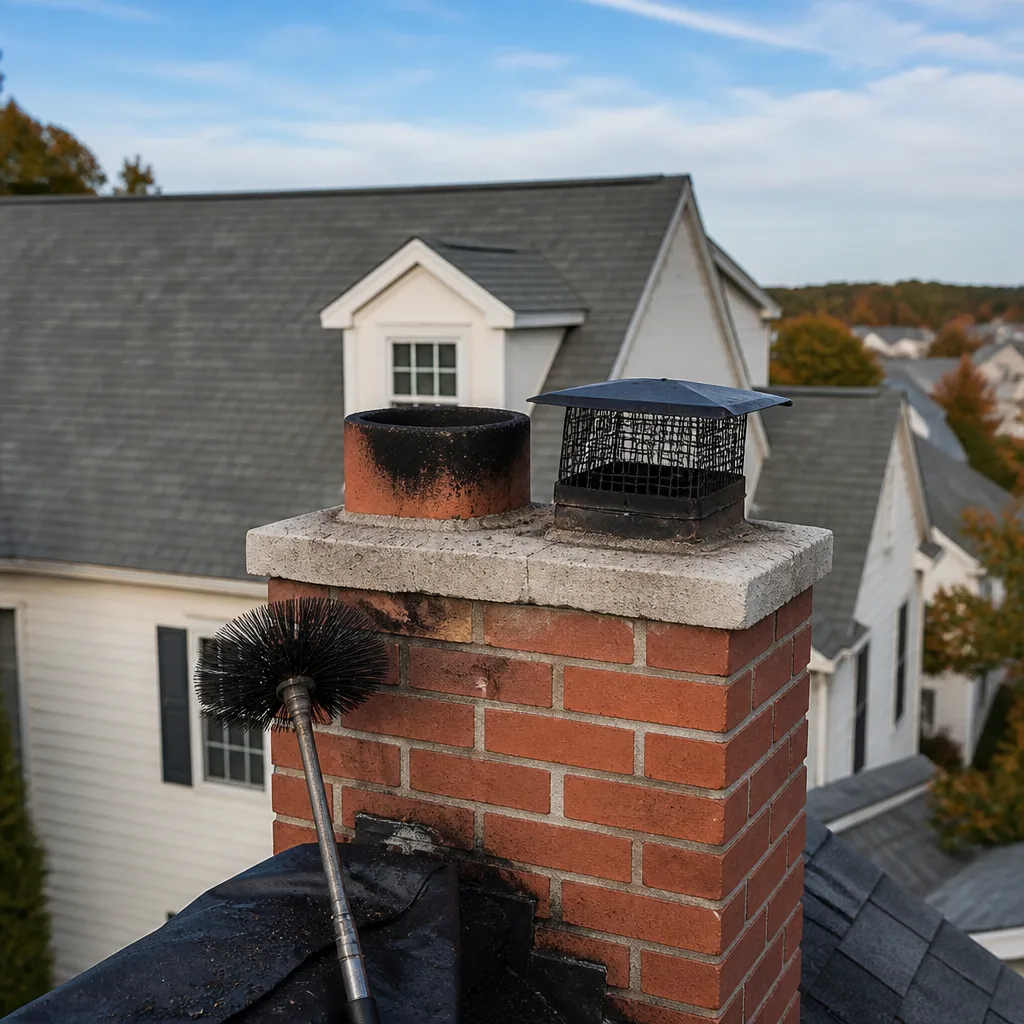 Sweep & inspection
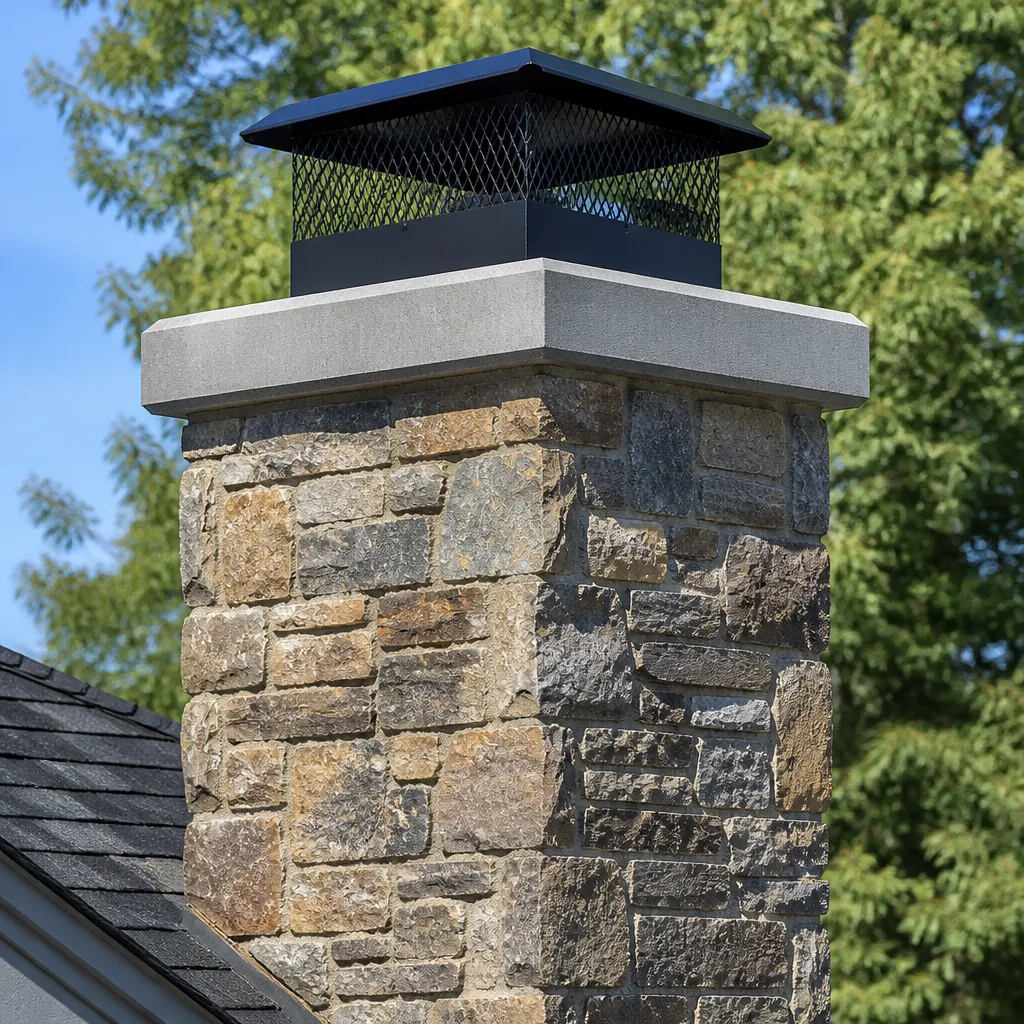 Caps & crowns
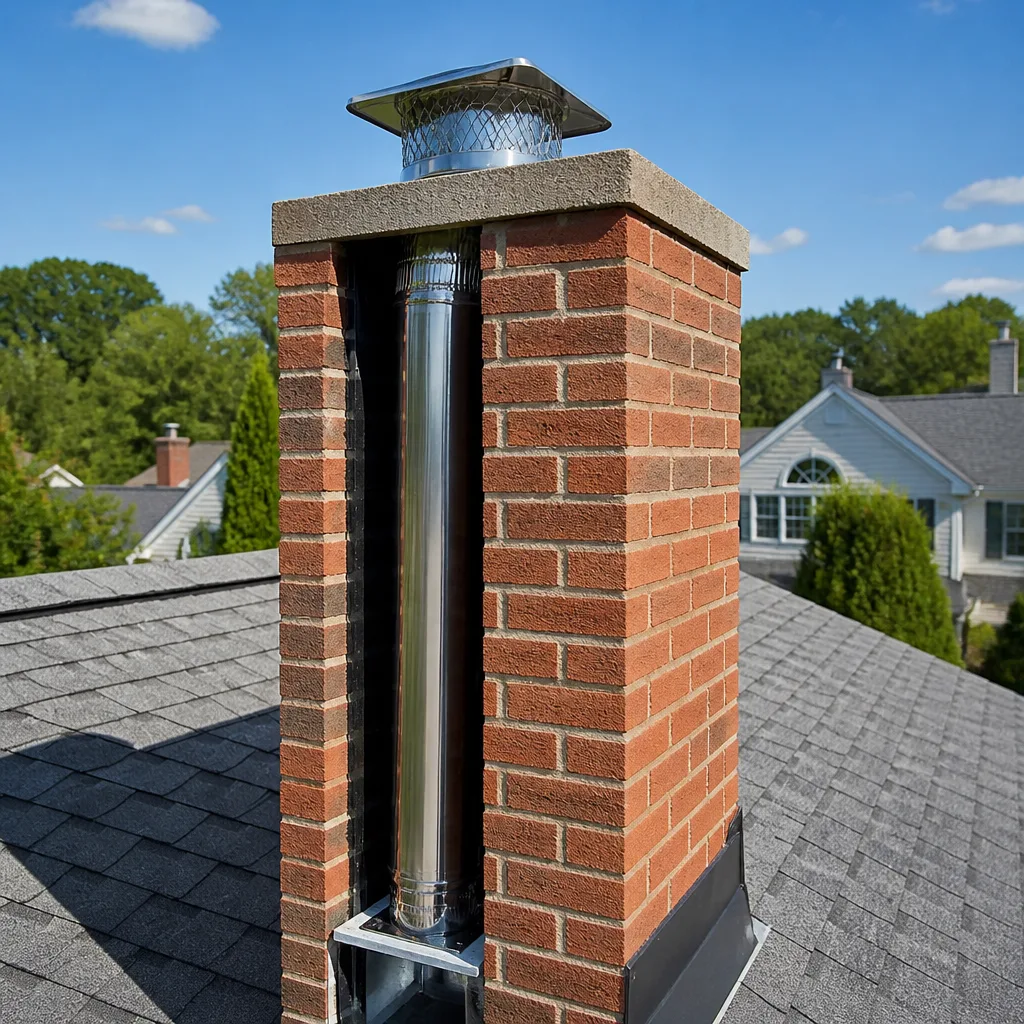 Flue relining
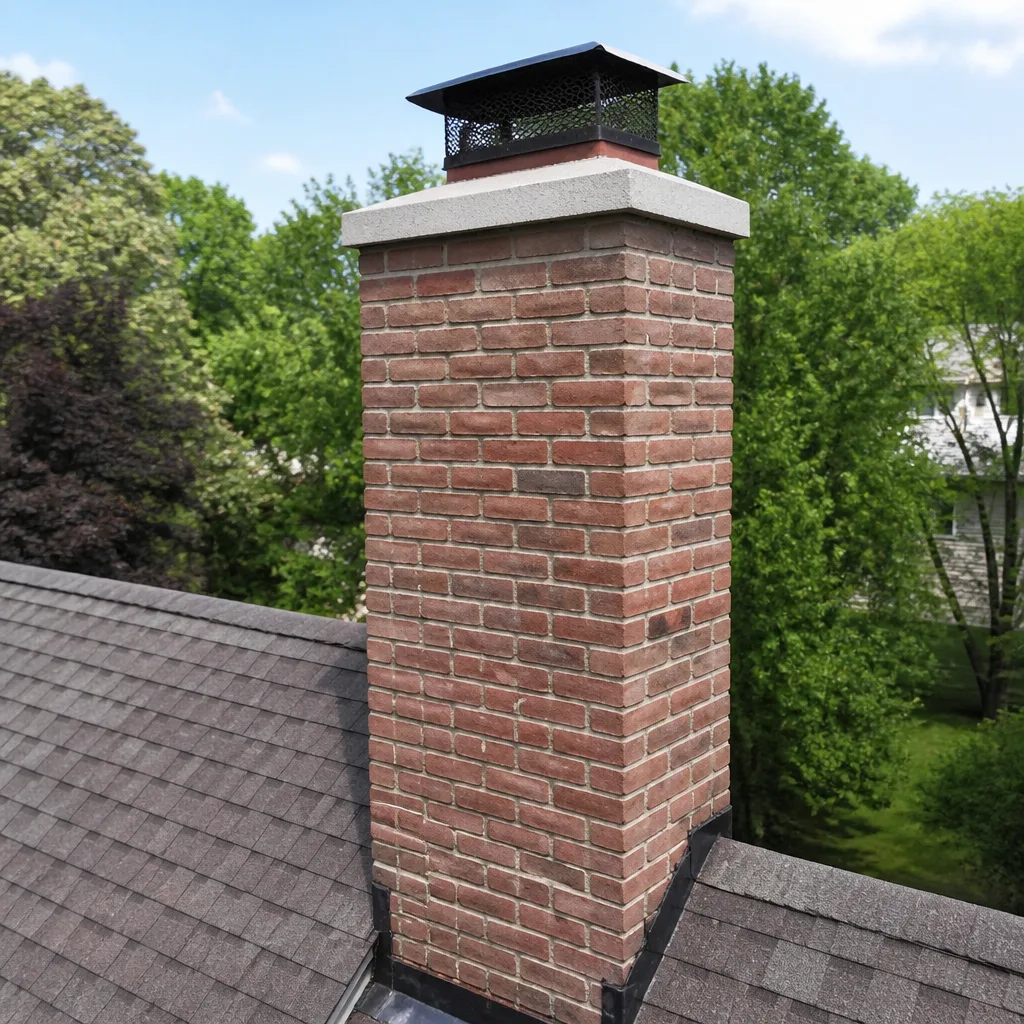 Masonry repair
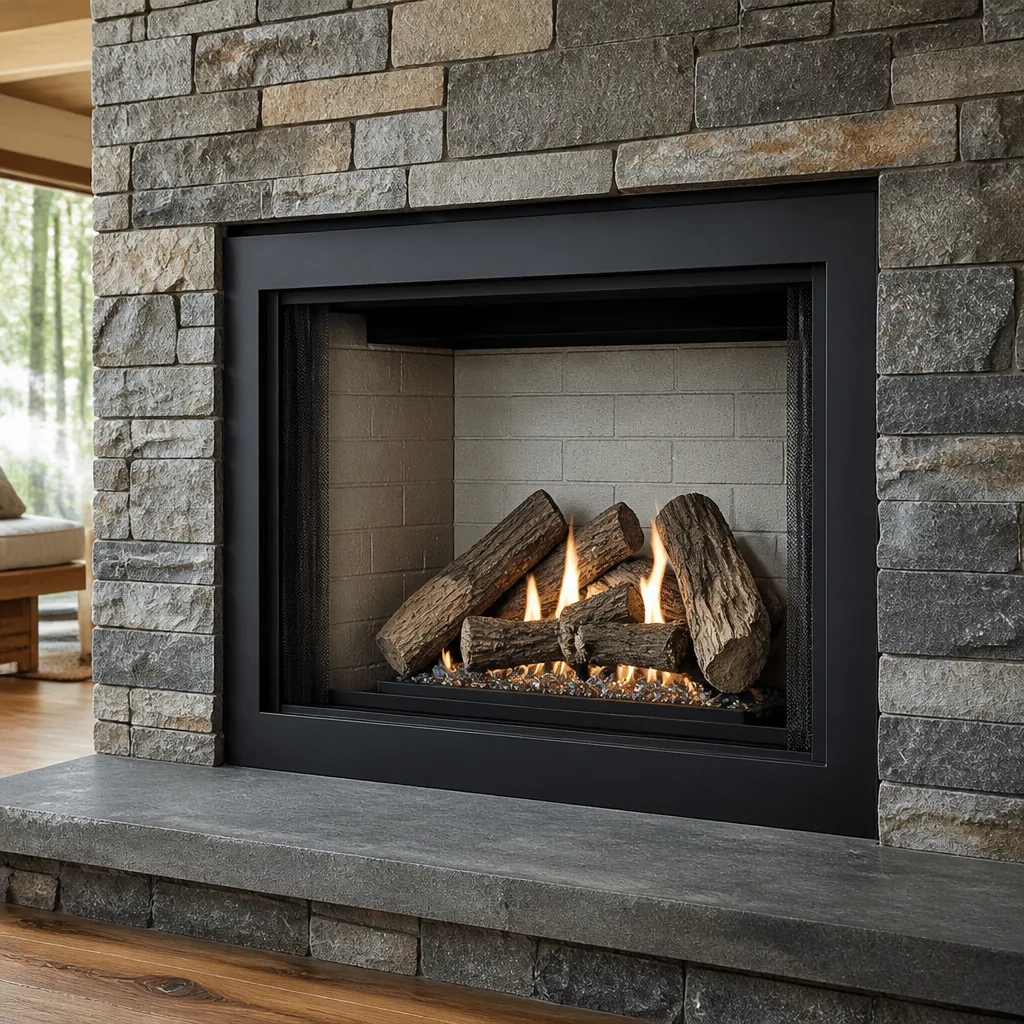 Gas fireplace service
Level 1 sweep and inspection to the NFPA 211 annual standard - flue, crown, cap, and flashing checked and photographed
Chimney sweep logs do not sweep chimneys. They loosen some creosote - which then falls where a brush and vacuum still have to collect it.
Chimney Cleaning Cost Breakdown: The Charleston Homeowner’s Reference for 2026
A $99 chimney sweep special usually buys about twenty minutes with a rotary brush and no look inside the flue. It’s not a bargain; it’s a narrower scope, and the things that actually cause chimney fires and carbon monoxide problems stay undiagnosed. The price on a chimney quote in Charleston hides a series of decisions about what gets checked, what gets cleaned, and what gets documented, and most homeowners never see those decisions spelled out. This guide pulls the whole cost structure apart so you can read a quote line by line, tell a fair price from a thin one, and understand why a thorough annual service almost always costs less over ten years than the repair it prevents.
Quick Answer
In the Charleston and Columbia County market, a basic chimney sweep for 2026 typically runs $150 to $250, a sweep paired with a Level 1 inspection lands around $200 to $350, and a sweep with a Level 2 camera inspection falls in the $350 to $550 range. Full diagnostic work and any liner, crown or masonry repair are quoted per job after the inspection, and the written estimate is what sets the final price.
Styles & brands we work with
- Sweep & inspection
- Caps & crowns
- Flue relining
- Masonry repair
- Gas fireplace service
Table of Contents
- What actually drives the price of a chimney cleaning in Charleston
- The four service tiers and what each one includes
- Creosote stages and why they change the price
- Add-ons worth the money and add-ons that aren’t
- How to compare two quotes that bundle differently
- The long-term cost math of annual service versus deferred maintenance
- Timing your service before burning season
- Common mistakes to avoid
What actually drives the price of a chimney cleaning in Charleston
The sweep fee is only one line on a quote, and it’s rarely the most important one. What changes the number legitimately is the geometry of the flue, how much creosote is inside it, and how easy the chimney is to reach and work on. A straight, single-flue chimney on a straightforward roofline is a different job from a house with two flues, an offset, and a chase that makes access awkward. In our experience across Charleston, the older housing stock around the village center produces more offset flues and more multi-flue chimneys than newer construction, and both raise the labor line.
Here are the variables that move a quote:
- Flue height. A taller run takes more time, more rods and more brush work. Height also affects how much staging or ladder work the job needs.
- Number of flues. A two-flue chimney is two cleanings, and each flue has its own condition. Quotes that list one price for a multi-flue chimney without counting flues are usually quoting a partial service.
- Degree of creosote buildup. Light, dry soot sweeps out quickly. Glazed, hardened creosote takes mechanical work and changes what the technician can safely do in one visit.
- Access conditions. A fireplace insert, a wood stove with a tight flue collar, a steep roof pitch or a flue with a cap that needs removal all add time.
- Inspection level. A Level 1 visual check and a Level 2 camera inspection are different services with different costs, and a quote should tell you which one you’re getting.
None of these are upsells. They’re the real reasons two Charleston houses on the same street can get quotes that differ by a hundred dollars, and understanding them is the first step in knowing whether a price is reasonable or just low because the scope is thin.
The four service tiers and what each one includes
Most chimney companies in the Charleston area offer some version of four tiers, but they don’t always name them the same way. What matters is what’s included. When you’re comparing bids, ask which tier each quote represents and whether the price includes an inspection, a camera, and a written report. Here’s how the tiers break down in the 2026 Columbia County market:
- Basic sweep (typically $150 to $250): Cleaning of one flue with standard brushes, removal of soot and debris, and a visual check from the firebox. No formal inspection, no camera, and often no written report. This tier is fine for a well-maintained chimney you’ve had serviced recently, and it’s thin for anything else.
- Sweep with Level 1 inspection (typically $200 to $350): The same cleaning plus a documented visual inspection of the accessible parts of the flue, firebox, damper and cap. This is the minimum most homeowners should be buying, and it’s the tier that catches cracked flue tiles and missing caps before they turn into repairs.
- Sweep with Level 2 camera inspection (typically $350 to $550): Cleaning plus a video scan of the full flue interior, with photos you can see yourself. This is the right tier after a chimney fire, after a long period without service, when you’re buying a house, or whenever you’re being told a repair is needed. The camera is what turns a recommendation into evidence.
- Full diagnostic service (quoted per job): Everything above plus a closer look at the crown, the flashing, the masonry joints and the firebox, usually when there’s a known problem like a leak or draft complaint. The price depends entirely on what the camera finds.
The chimney sweep is the starting point, and the inspection is what tells you whether the chimney is actually sound. Skipping the second part is how a cheap sweep becomes an expensive repair.
Creosote stages and why they change the price
Creosote is the tar-like residue that deposits on the inside of a flue when wood burns, and it comes in three stages that behave very differently during a cleaning. Stage 1 is fluffy, dry soot that brushes out easily with standard tools. Stage 2 is a denser, flakier crust that takes more passes and more time. Stage 3 is glazed, hardened creosote that bonds to the flue wall and doesn’t come off with a brush alone; it needs mechanical removal, and the technician may not be able to complete the flue in a single visit. Stage 3 buildup is a serious fire hazard, and a chimney that reaches it needs more than a cleaning to become safe to use again.
What causes the stage to climb is worth knowing for Charleston homeowners with a wood-burning insert or fireplace. Burning unseasoned wood, running the fire with the damper barely open, and short, hot fires followed by long cool-downs all encourage heavy deposition. So does a flue that’s oversized for the appliance, which is common in older houses where a modern insert was dropped into a chimney built for a larger firebox. The result is a flue that stays cooler than it should, and cool flues deposit creosote faster.
This is why a quote that assumes Stage 1 is a gamble for both sides. A technician who hasn’t seen inside the flue can’t know whether the job is a light brush or a mechanical removal, and a homeowner who’s been quoted one price shouldn’t be surprised if the actual job costs more. The honest approach is to have the flue looked at and let the price follow the evidence. If someone tells you the flue is glazed, ask to see the camera footage before you agree to anything.
Add-ons worth the money and add-ons that aren’t
A sweep visit often comes with a set of suggested add-ons, and some are genuinely valuable while others aren’t worth the cost for most homeowners. Understanding which is which keeps the upsell conversation honest. The camera inspection is the starting point here, because without it no one can tell you which add-ons you actually need. Once the camera is out, the recommendations become specific, and you can see the problem that justifies the work.
Add-ons that usually make sense:
- Chimney cap: A proper cap keeps rain, birds and debris out of the flue. Water intrusion is the leading cause of chimney deterioration, and a missing or rusted cap is one of the cheapest problems to fix before it becomes structural. Our chimney cap & crown work is built around preventing exactly this kind of water damage.
- Crown coating: If the crown at the top of the chimney has hairline cracks, resurfacing it stops water from working into the masonry below. Left alone, a cracked crown lets water into the chimney structure, and the repair cost rises fast.
- Waterproofing on masonry chimneys: A breathable sealant on the exterior brick slows water absorption and is worth it when the masonry is sound. It’s not a substitute for repairing mortar joints, though, and it shouldn’t be sold to mask a problem.
- Liner restoration with HeatShield: When the flue has cracks or gaps in the tile but the structure is otherwise sound, resurfacing can restore it without pulling the whole liner out. That’s a real cost-saving option, and it’s one many sweep-only companies can’t offer because they don’t carry the material.
Add-ons that usually aren’t worth it for most homeowners:
- Waterproofing on a chimney with active leaks. Sealing the outside of masonry that’s already letting water in traps the water instead of keeping it out. Fix the leak first, then waterproof.
- Liner replacement when resurfacing will do. If a HeatShield restoration is appropriate for the flue condition, replacing the whole liner is more work and more cost than the problem requires.
- An annual maintenance contract that doesn’t include a documented inspection. A contract is only worth paying for if you get a written record of the flue condition each year, not just a brush-and-go visit.
- Duct or dryer-vent cleaning sold with the chimney sweep. It’s a different system and outside the scope of a chimney service.
How to compare two quotes that bundle differently
The hardest part of pricing a chimney service is comparing two quotes from companies that bundle things differently. One quote may put the cleaning and inspection together in one number; another may separate them and add a camera fee; a third may discount the cleaning and then quote a “recommended” repair at the end of the visit. The only way to compare fairly is to break each quote down into the same categories and compare them item by item. Here’s the process we recommend:
- Ask what level of inspection is included. A quote without a named inspection level is a quote without an inspection, whatever the company calls it.
- Confirm whether the camera is included or extra. A Level 2 inspection includes photos or video. If the quote says “camera inspection available” as an add-on, the price you were given doesn’t include it.
- Separate labor from materials. A liner quote should show the liner material and the installation labor as distinct lines, so you can see what you’re paying for the product and what you’re paying for the work.
- Ask for the written estimate before any work starts. A price that’s only given verbally is a price that can change mid-job. The written estimate is the number that should hold.
- Ask what happens after the inspection. If a repair is recommended, will the same company do it, or will you be referred out? A single source for the cleaning and the repair removes the gap between who found the problem and who fixes it.
- Compare the documentation, not just the price. A report with photos is worth more than a verbal summary, because it lets you compare what two companies actually found.
When you break the quotes down this way, the comparison becomes clear. A low quote with no inspection isn’t competing with a higher quote that includes one; they’re two different services with different scopes.
The long-term cost math of annual service versus deferred maintenance
The single biggest cost variable in chimney ownership isn’t the sweep fee. It’s what happens when a small problem is left alone long enough to become a structural one. A yearly service with documentation catches cracked tiles, a failing crown, a loose cap or early creosote buildup while each is still a modest repair. Deferred maintenance lets those same problems compound, and the bill that eventually arrives is for a liner replacement or masonry work rather than a cleaning.
Here’s how the math tends to play out over a decade of ownership:
- Annual service path: A sweep with a Level 1 inspection each year, a camera inspection every few years or whenever something looks off, and small repairs done as they come up. The costs stay predictable, and you have a paper trail of the flue condition that’s useful when you sell the house.
- Deferred path: Skipping years, then discovering a cracked flue, a water-damaged crown and deteriorated mortar all at once. The repair is more expensive because it covers more than one failure, and some of that work could have been avoided with a cheaper repair earlier.
We’re not going to give you a false precision on the ten-year number, because it depends entirely on the chimney and how it’s used. But the shape of the math is consistent across Charleston: regular service keeps the cost low and the work small, and deferred service trades a series of small bills for one large one. The full-system approach matters here. We handle the sweep, the inspection, and any repair under one roof, which means the findings from the inspection actually get addressed instead of being handed to someone else.
Timing your service before burning season
Chimney work in Charleston follows a seasonal rhythm, and booking your service before burning season starts is the simplest way to avoid the rush and the higher prices that come with it. The best window is the shoulder season, when the fireplace is idle and the schedule is open. Waiting until the first cold snap means competing with every other homeowner who did the same thing, and that can push the appointment out past the first fire you wanted to light.
There’s a safety reason to time it early, too. A chimney that hasn’t been examined since last winter may have developed a problem over the summer, whether from a cracked crown, a dislodged cap or animals nesting in the flue. Finding that out in the fall, with time to schedule a repair, is very different from finding it out the night before a cold snap. The urgency with chimney service is seasonal, not hourly, and the calmest way to handle it is to book the annual service before you need the fireplace.
If you’re not sure whether your chimney is due, a quick camera inspection settles it. Our technicians have up to 12 years of experience and can tell you what the flue looks like and what, if anything, needs doing. Call (833) 509-4937 for a free estimate. We answer 24/7. Fast dispatch from 7am to 7pm, Sunday through Friday.
Common Mistakes to Avoid
- Buying the cheapest sweep in Charleston without asking what’s included. A low price is usually a scope reduction, not a discount. Ask whether the quote includes an inspection and a camera before you compare numbers.
- Skipping the inspection because the sweep “looked fine.” The sweep cleans the flue; the inspection is what tells you whether the flue is sound. They’re two different jobs, and the second is the one that protects the house.
- Agreeing to a liner replacement without seeing the camera footage. You’re entitled to see the evidence behind any recommendation. If a company won’t show you the video, get a second opinion before you spend the money.
- Letting the cap stay missing or rusted through. Water intrusion is the leading cause of chimney deterioration, and a cap is one of the least expensive fixes in the whole system. Ignoring it is how a small repair becomes masonry work.
- Waterproofing a chimney that already leaks. Sealing the outside of masonry that’s taking on water traps it instead of keeping it out. Fix the leak first.
- Waiting until the first cold week to book. Charleston’s chimney schedule fills in the fall. Booking in the shoulder season keeps the appointment where you want it and gives you time for any repair.
- Treating the annual service as a one-time purchase. The value of the service is in the yearly record. A single visit catches one year’s worth of problems; a documented history catches the trend.
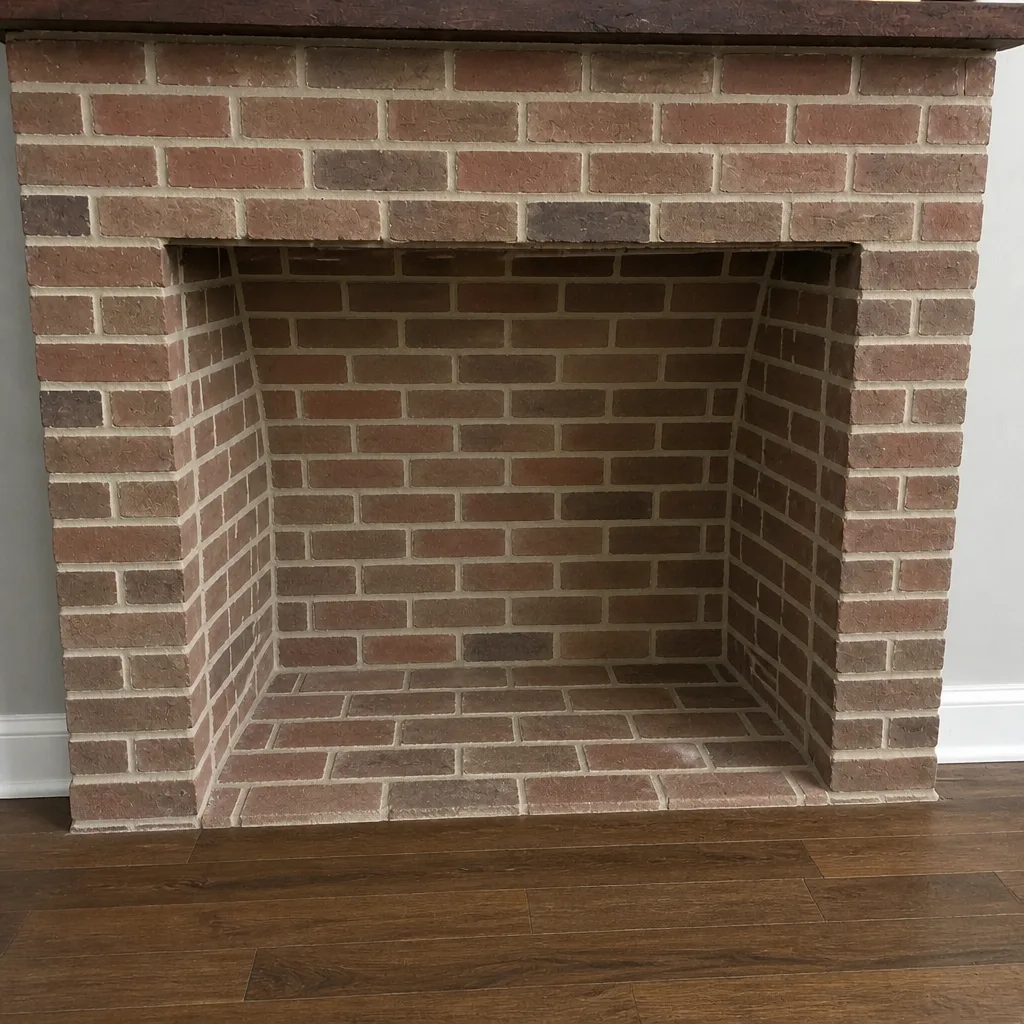
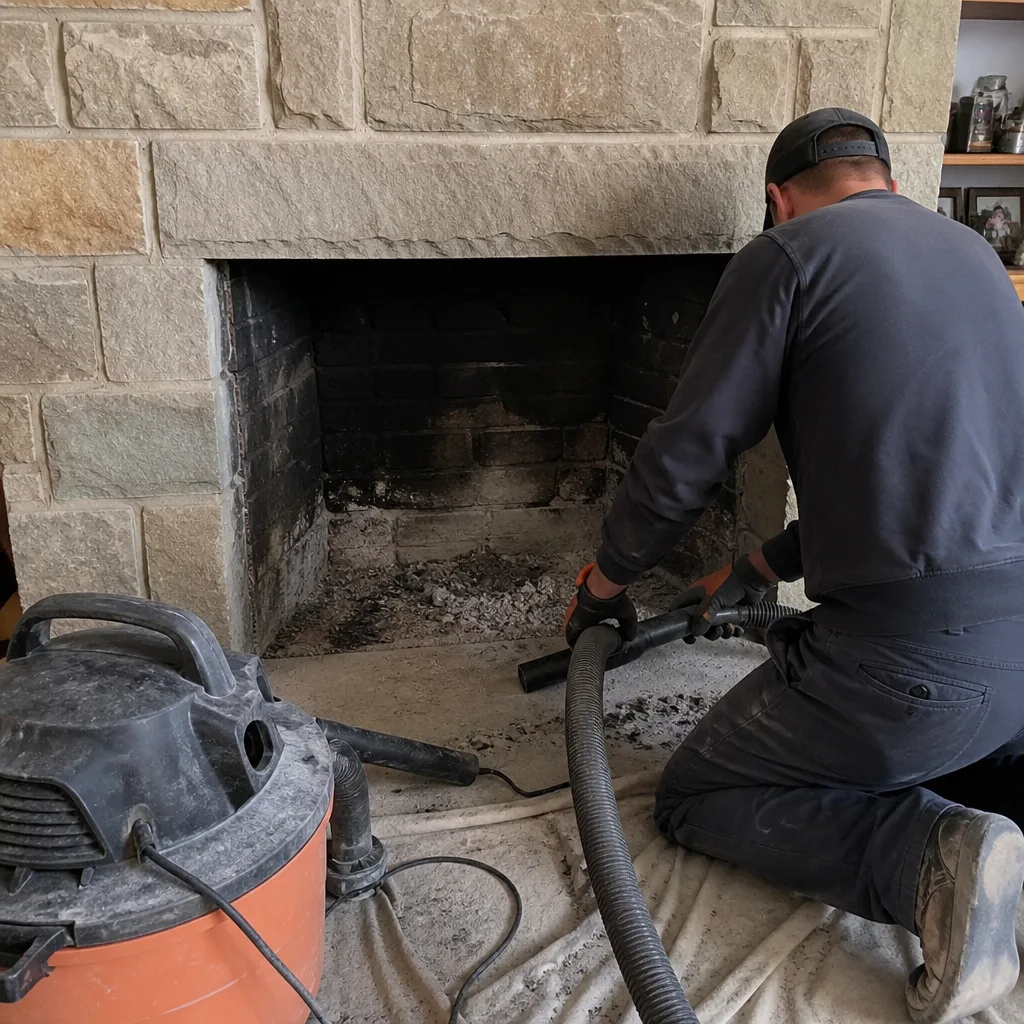
See the difference
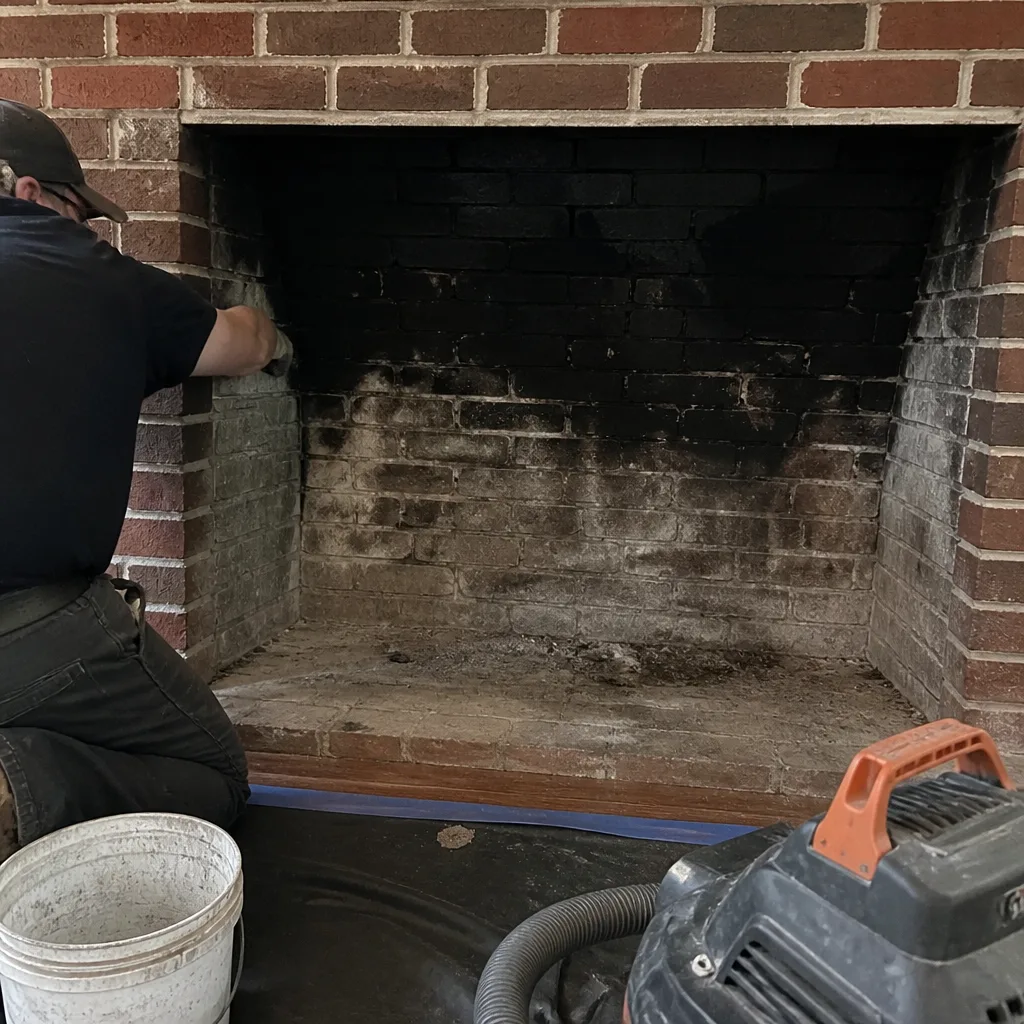 Before
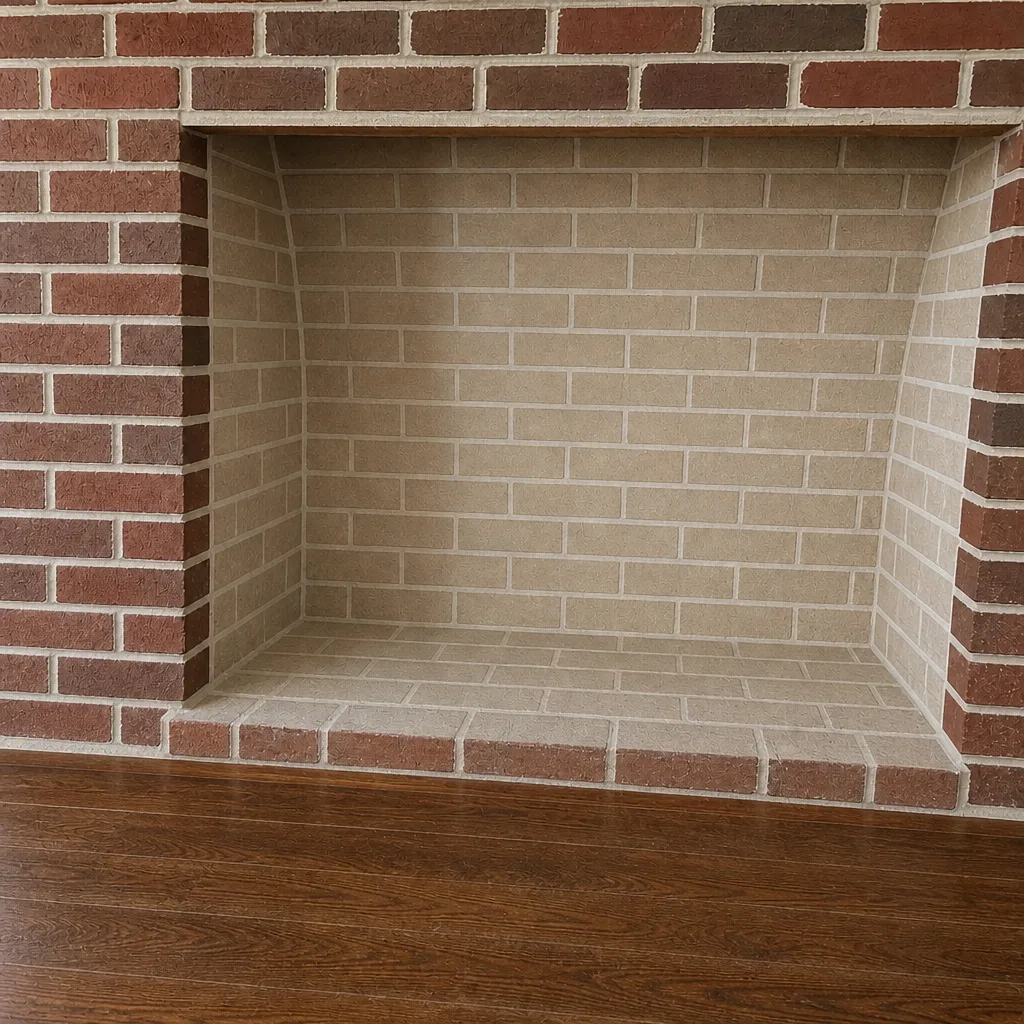 After
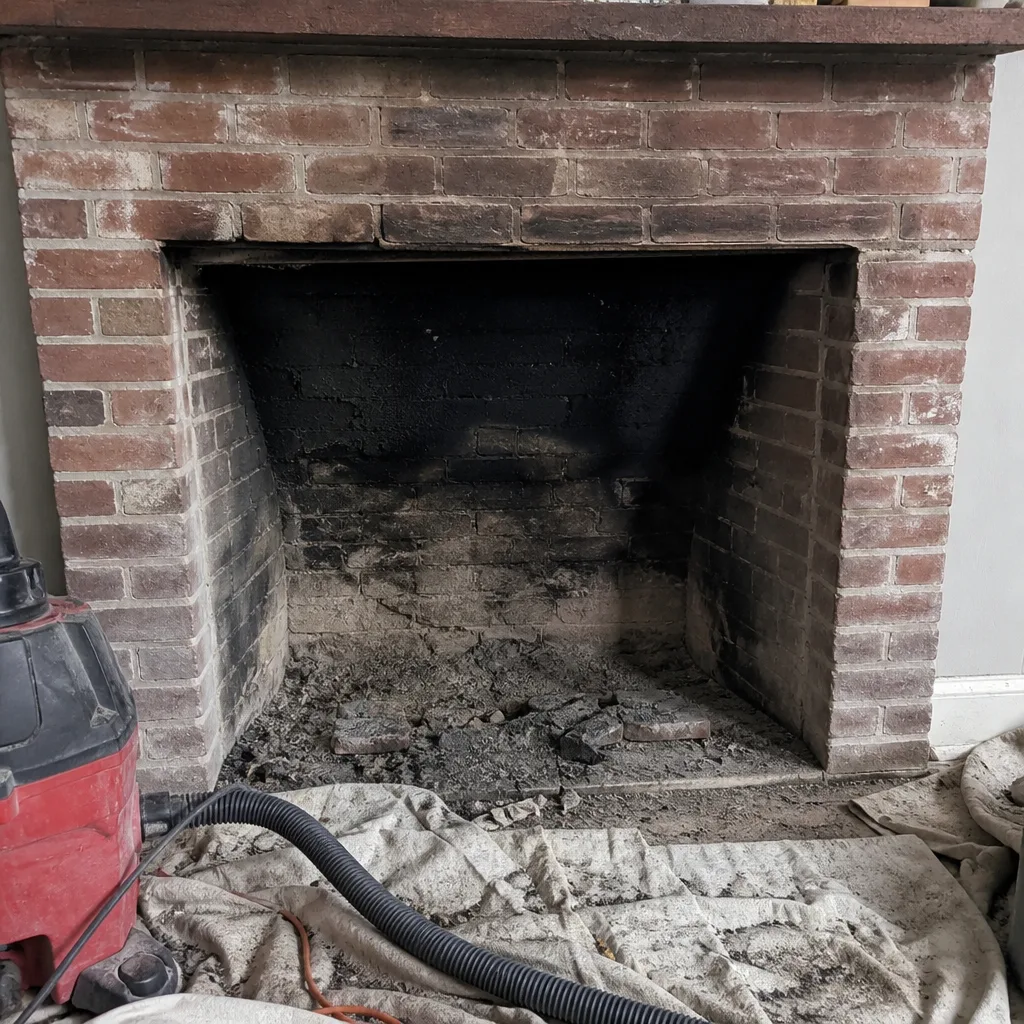 Before
 After
 Before
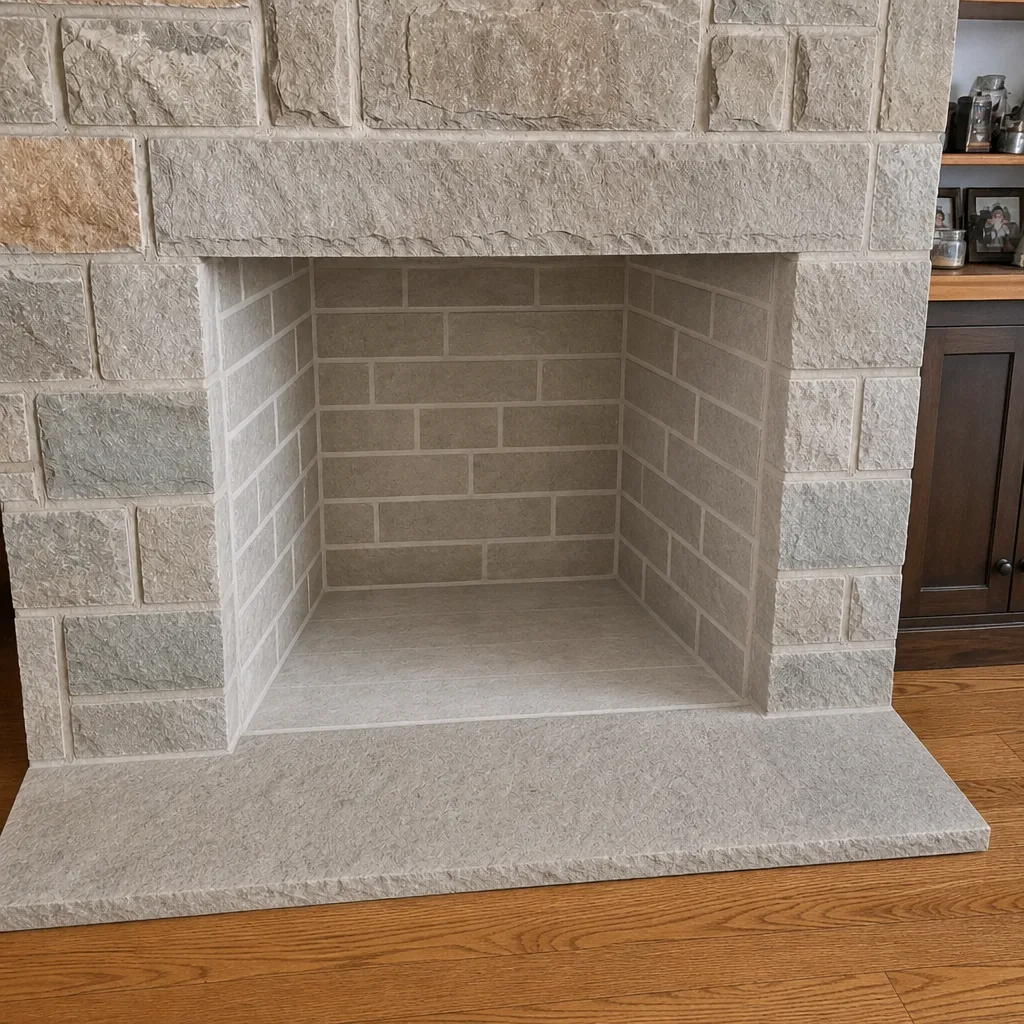 After
When to Call a Professional
Some chimney problems are worth a call the moment you notice them. A strong, acrid smell when the fireplace is idle, smoke rolling back into the room, visible creosote on the firebox walls, a cracked or missing crown, water staining on the chimney breast, or a flue that hasn’t been looked at in a couple of years are all reasons to have someone qualified take a look. The same goes for any chimney after a fire, or any chimney in a house you’ve just bought. Don’t try to inspect or clean a flue above roof level yourself; the fall risk and the creosote exposure are real, and the camera work needs a trained eye to interpret. In Charleston, our technicians can take a look and tell you plainly what’s going on. We answer 24/7, with fast dispatch from 7am to 7pm, Sunday through Friday. The estimate is free.
Frequently Asked Questions
For 2026, a basic sweep in the Charleston and Columbia County market typically runs $150 to $250, a sweep with a Level 1 inspection around $200 to $350, and a sweep with a Level 2 camera inspection around $350 to $550. The written estimate sets the final price, and the range reflects flue height, the number of flues and the degree of creosote buildup. Call (833) 509-4937 for an exact quote; estimates are free.
Not always. If the flue tiles are cracked or the joints have opened up but the structure is otherwise sound, resurfacing with HeatShield can restore the liner without a full replacement, which is a real cost saving over pulling the whole thing out. The only way to know which path is right for your chimney is to see the flue on camera. Call (833) 509-4937 to book an inspection and get an honest read on the condition.
Most wood-burning fireplaces and inserts should be swept and inspected once a year, and more often if you burn a lot of wood or notice creosote buildup. The yearly service is what keeps a small problem from becoming a structural one, and the written record of the flue condition is valuable when you sell the house. Call (833) 509-4937 to schedule the annual service in Charleston.
Creosote accumulates with every fire, and past the early stage it hardens into a glazed layer that’s a serious fire hazard and harder to remove. A cracked crown or a missing cap lets water into the masonry, and the resulting damage is far more expensive than the service you skipped. Call (833) 509-4937 for a free estimate and a camera look at where your chimney actually stands.
Yes, whenever you need to know the real condition of the flue: after a chimney fire, after years without service, when you’re buying a house, or when someone has recommended a repair. The camera turns a recommendation into something you can see for yourself, and it’s the difference between paying for evidence and paying on trust. We include the camera findings in the written report. Call (833) 509-4937 to book one in Charleston.
Because they usually aren’t for the same work. One quote may include an inspection and a camera report, another may be a brush-and-go visit; one may count two flues, another may price one. The way to compare is to ask each company what inspection level is included, whether the camera is in the price, and whether the repair is done in-house. Call (833) 509-4937 for a quote that spells out the scope line by line.
The Bottom Line
Chimney cleaning cost in Charleston isn’t a single number; it’s the sum of what you’re asking someone to do. A basic sweep, a sweep with an inspection, and a sweep with a camera report are three different services, and pricing them against each other without checking the scope is how homeowners end up either overpaying or under-buying. The variables that legitimately move the price are flue height, the number of flues, the creosote stage and access. The add-ons worth the money are the ones that stop water damage before it spreads; the ones to question are the repairs nobody can show you on camera. Annual service with documentation keeps the cost low and the repairs small, and that’s the math that matters over the long run.
If you want a quote that spells out the work line by line, and a repair done by the same crew that found the problem, call Charleston Chimney Sweep Pros at (833) 509-4937 for a free estimate. We answer 24/7. Fast dispatch from 7am to 7pm, Sunday through Friday. For a broader look at how we handle the full chimney system, start with Charleston Chimney Sweep Pros, and when fireplace or firebox work is part of the job, see our fireplace repair service.
Written by the team at Charleston Chimney Sweep Pros.