
Last updated November 24, 2026
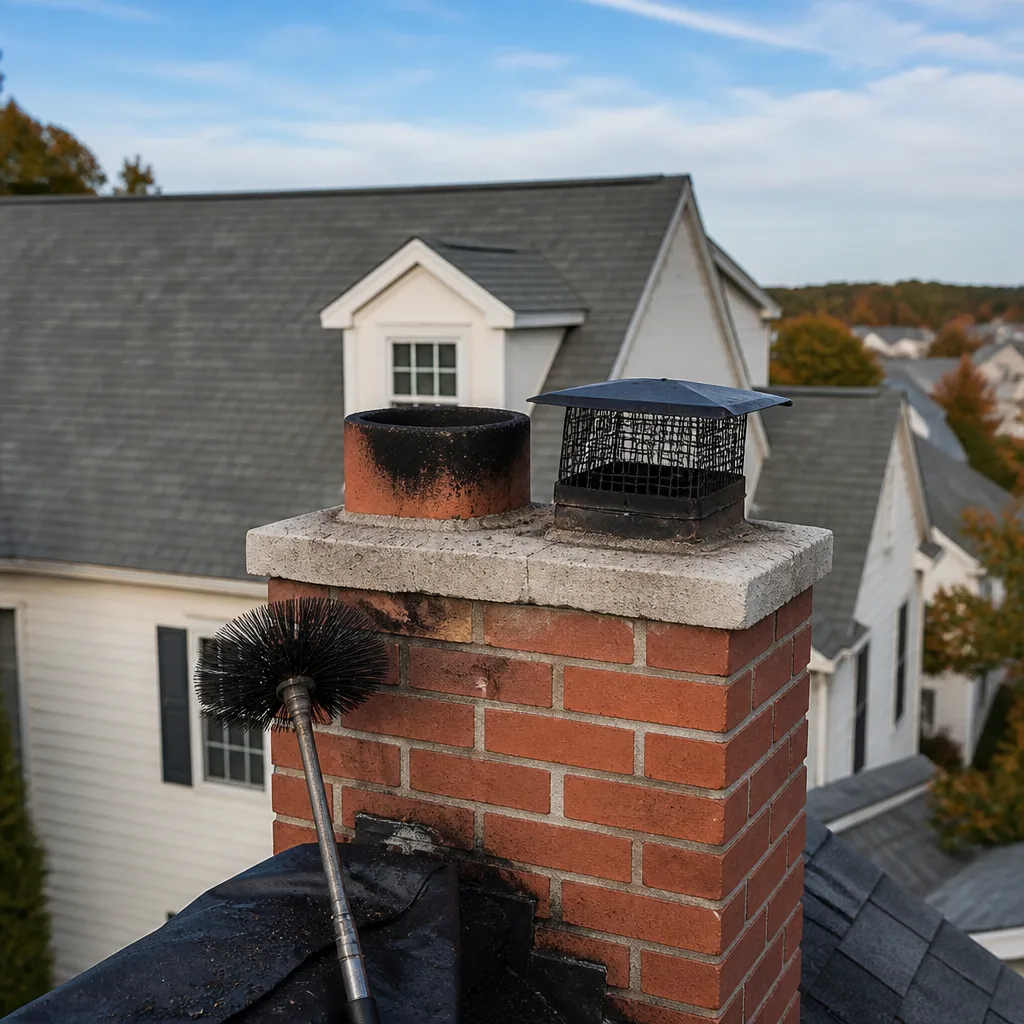 Sweep & inspection
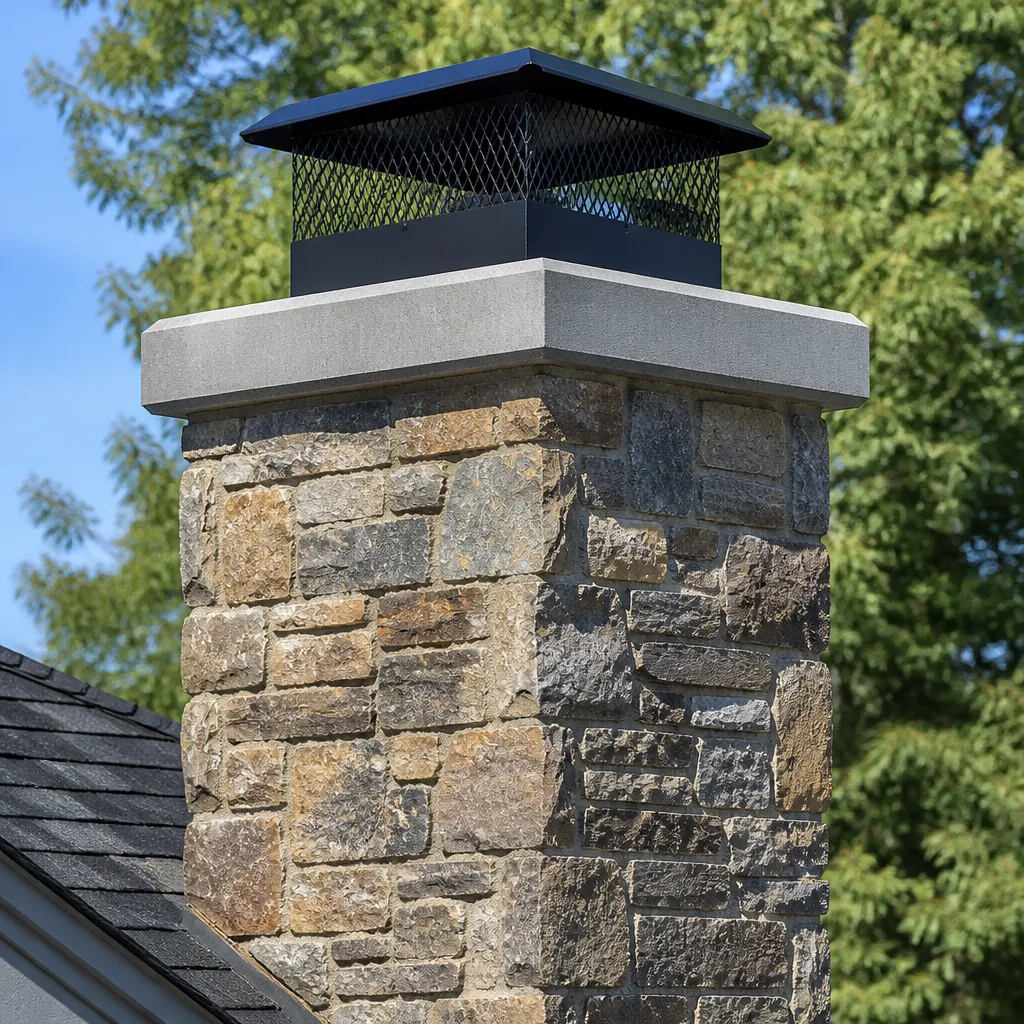 Caps & crowns
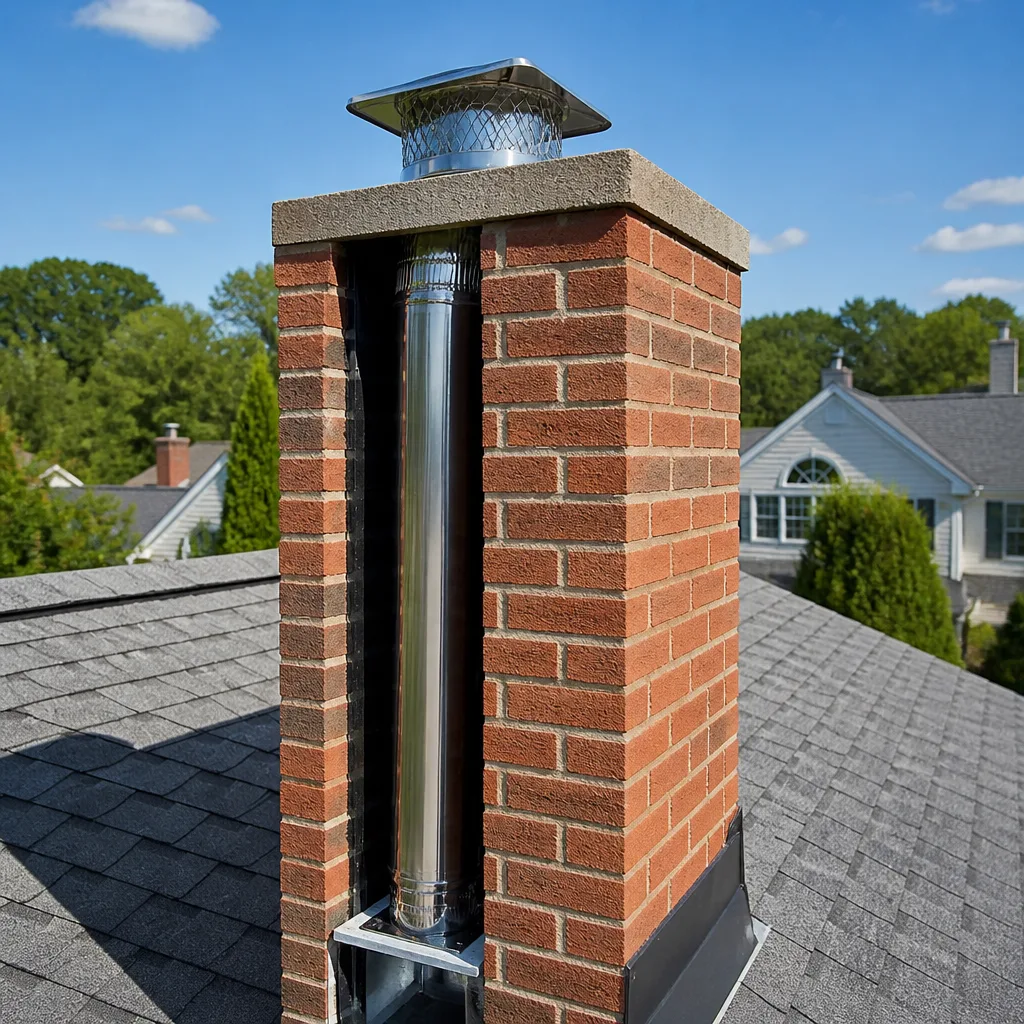 Flue relining
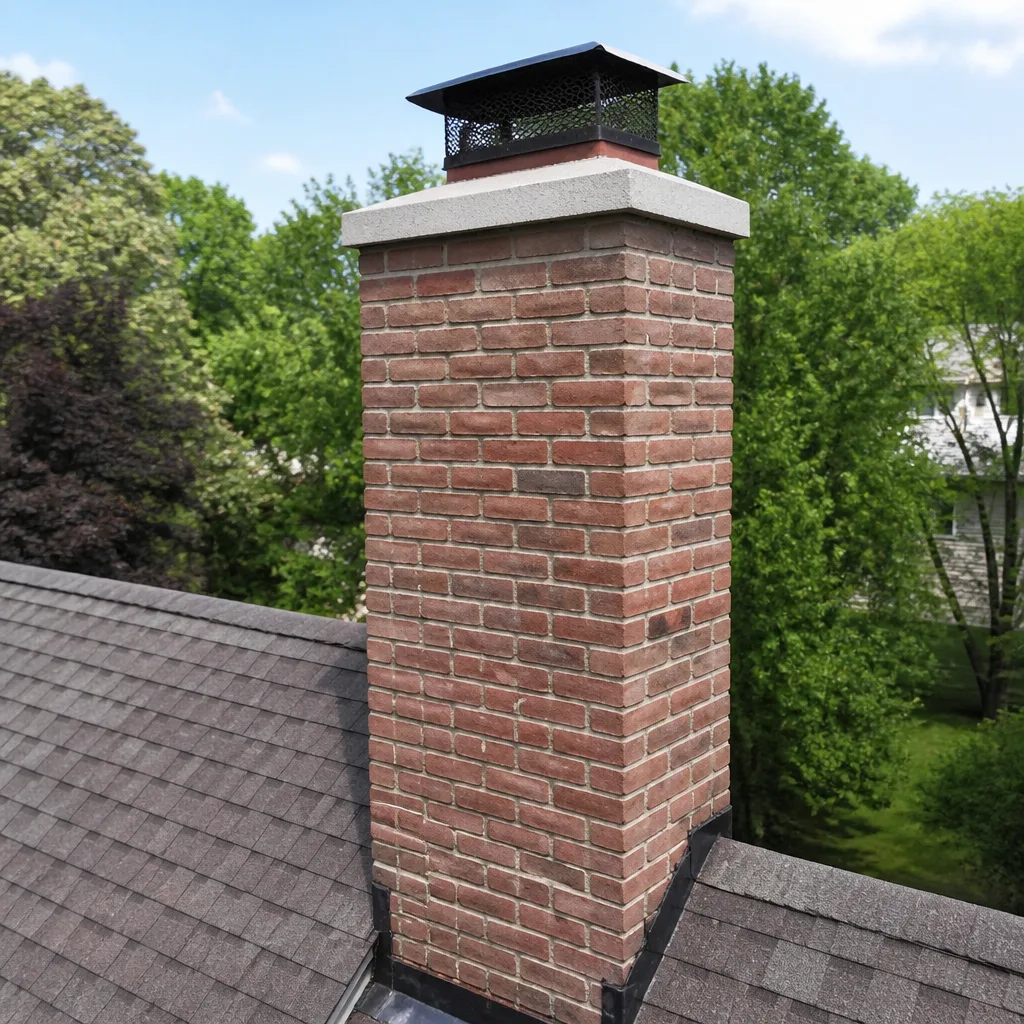 Masonry repair
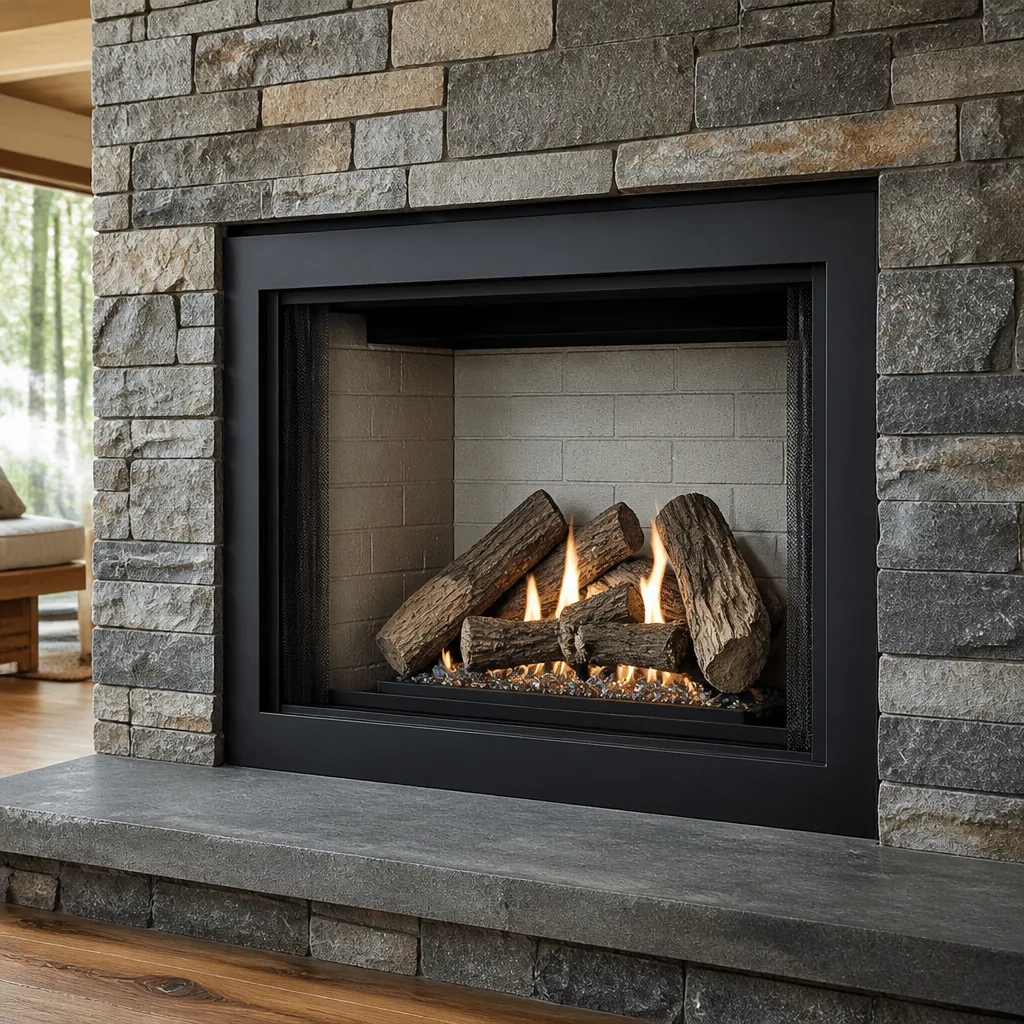 Gas fireplace service
Level 1 sweep and inspection to the NFPA 211 annual standard - flue, crown, cap, and flashing checked and photographed
Chimney sweep logs do not sweep chimneys. They loosen some creosote - which then falls where a brush and vacuum still have to collect it.
Chimney Cleaning Warning Signs: A Charleston Homeowner’s Reference Guide
What looks like a cosmetic stain or a bit of soot is usually evidence. The white haze on exterior brick is efflorescence, and it shows water is already moving through masonry. A sour smell in a cold firebox points to moisture held inside the flue. This guide catalogs the warning signs Charleston homeowners tend to shrug off, sorted by where they appear and what they mean mechanically. By the end, you’ll know which signals mean stop using the fireplace today, which can wait for your next sweep, and how to photograph each one so your technician starts with real information instead of a guess.
Styles & brands we work with
- Sweep & inspection
- Caps & crowns
- Flue relining
- Masonry repair
- Gas fireplace service
Quick Answer
Chimney problems usually show up as small, ordinary-looking details: a dusting of white powder on brick, a puff of smoke back into the room, a musty odor, a hairline crack in the crown. The warning signs that matter most are white staining on exterior masonry, smoke rollback, a persistent smell when the fireplace is off, cracked or crumbling crowns and caps, and rust or water streaks inside or below the firebox. Any of those means moisture, creosote buildup, or a draft failure is already present, and the system needs an inspection before your next fire.
Table of Contents
- What Makes a Chimney Warning Sign Serious?
- Warning Signs Inside the Firebox and Smoke Chamber
- Exterior Masonry Warning Signs
- Roofline Warning Signs: Cap and Crown
- Warning Signs in the Attic and Ceiling Below the Flue
- Performance Warning Signs During Use
- What That Smell Is Telling You
- Same-Week Service vs. Monitor Until Your Next Sweep
- How to Document and Photograph Warning Signs
- Common Mistakes to Avoid
- When to Call a Professional
- Frequently Asked Questions
- The Bottom Line
What Makes a Chimney Warning Sign Serious in Charleston?
A warning sign is serious when it points to something already happening inside the system, not something that might happen later. That distinction is what separates a hairline crack in a firebrick from a puff of white bloom on the outside of the chimney. One is a maintenance note. The other says moisture has a path in and creosote has a place to sit.
Here’s the filter we apply. A sign is urgent when it involves any of these four conditions:
- An active pathway for water. Efflorescence on brick, interior rust, or water stains on the ceiling below the flue all indicate moisture is entering and staying.
- Structural compromise. A loose crown, spalled brick, a missing cap, or cracked flue tile means the chimney can move heat, smoke, or combustion gases where it shouldn’t.
- Reduced draft. Smoke rollback, delayed ignition, and a fireplace that only draws when the window is open all point to a flue that isn’t pulling.
- Glazed or heavy creosote. Shiny, tar-like buildup in the flue is the fuel source for a chimney fire.
Everything else is worth noting, photographing, and monitoring until your next chimney sweep. Charleston sits in a climate with real freeze-thaw cycles in winter and humid summers, and masonry in this region goes through both every year. Brick absorbs moisture, then expands when that moisture freezes. It dries and contracts when it thaws. Repeated cycles open hairline cracks into real ones, which is exactly why exterior warning signs here tend to build quietly over a couple of seasons. The building department has its own requirements for masonry work in Charleston, so if your chimney needs structural repair, the local pro is licensed and insured as their state requires, and can tell you what the permit picture looks like for your job.
Warning Signs Inside the Firebox and Smoke Chamber
The firebox and smoke chamber are where you can see the most before anyone climbs anything. Look inside on a cold fireplace with good light, and check these points.
The firebox floor and walls
- Gaps between firebricks wider than a hairline, or any brick that rocks under hand pressure. The firebox is built to contain heat, and gaps let it reach the masonry behind.
- Cracked firebrick running the full depth of the brick.
- Discoloration or flaking on the brick face, which can indicate past overheating.
- Soot buildup inside the firebox that looks like velvet and wipes off on a finger. Some soot is normal. A thick, puffy layer means the flue is struggling.
- Damp patches or white powder on the firebox floor, both of which point to water coming down the flue.
The smoke chamber and damper
- Smoke stains on the front face of the damper or firebox surround, the tell-tale of a fireplace that spills smoke into the room instead of up the flue.
- Rough or crumbling surfaces in the smoke chamber above the damper. The smoke chamber needs to be smooth to move smoke efficiently; a rough one slows the draft and holds creosote.
- A damper that doesn’t open fully or settles shut on its own. It’s a small part that changes the entire draft of the system.
We handle fireplace repair as part of our scope, which matters here. If an inspection turns up a cracked firebox, a stuck damper, or a rough smoke chamber, it gets fixed by the same crew that found it. That’s the difference between a chimney specialist and a general handyman with a brush.
Exterior Masonry Warning Signs
Walk outside and look up. The chimney’s outside face is the part most exposed to weather and the part that carries the earliest news of trouble.
What to look for
- White staining (efflorescence). This is the mineral residue left behind when water migrates through brick or mortar. That whitening isn’t a cosmetic quirk. It means moisture is inside the masonry and drying outward.
- Spalling brick. The face of a brick pops off, leaving a rough, crusted surface behind. Freeze-thaw is the usual cause in Charleston.
- Crumbling or recessed mortar joints. Run a firm finger along a joint on a dry day. If sand comes away, the mortar has lost its binder.
- Rust streaks on brick or mortar below the roofline, which points to a rusting chase cover, stainless liner connection, or flashing component.
- Dark staining near the top of the chimney, a sign that smoke and creosote are backing up out of the flue rather than rising cleanly.
- A visible lean or separation from the house. This is on the urgent end and shouldn’t be monitored.
What these mean mechanically
Exterior brick is porous. When the masonry is protected by a sound crown, a proper cap, and intact flashing, water sheds away from the chimney the way it’s supposed to. When any of those three fail, water gets in. From there, every freeze-thaw cycle widens the cracks. If your chimney has a damaged flue liner that needs resurfacing, HeatShield lets us restore it without a full replacement. That option doesn’t exist in a sweep-only shop, and it’s worth knowing the difference before you’re told the only fix is a full liner tear-out.
Roofline Warning Signs: Cap and Crown
The crown is the sloped concrete top of the chimney. The cap sits on top of it, usually on legs, to keep rain and animals out of the flue. Both sit at the roofline and both fail in predictable ways.
Crown warning signs
- Hairline or full-width cracks radiating across the crown surface.
- Separated, lifted, or crumbling edges where the crown overhangs the brick.
- A crown that sheds water toward the flue rather than away from it. The crown should slope away from the opening on all sides.
- Moss, vines, or runoff staining on the crown’s surface, which signals it’s holding water.
Cap warning signs
- Missing or loose cap. A cap that’s gone or knocked askew lets rain straight into the flue.
- Rusting chase cover on a prefabricated chimney, which eventually opens a hole.
- Animal nesting material visible at the flue opening or in the firebox.
- A flue opening without any screening, leaving the chimney open to birds, squirrels, and leaves.
Water intrusion is the leading cause of chimney deterioration, and a sound cap and crown are the two cheapest guards against it. Our chimney cap & crown work uses professional-grade components, including Famco and Copperfield products, so the fix matches the system rather than patching it. If your cap is missing or your crown is cracking in Charleston, that’s one of the clearest cases for a call rather than a wait.
Warning Signs in the Attic and Ceiling Below the Flue
Not every warning sign lives at the chimney. Look at the ceiling directly below or just outside the chimney chase and at the attic space around the flue. These areas show trouble the flue can’t hide.
What to look for
- Brown water rings or stains on the ceiling near the chimney line.
- Discolored or soft drywall in the same area.
- Damp framing or insulation in the attic around the flue penetration.
- Rust on flashing, straps, or any metal component near the roofline.
- Daylight visible around the flue collar in the attic, which indicates a gap in the chase.
- Gurgling, ticking, or dripping sounds during rain.
Any ceiling stain under a chimney line is a “stop using the fireplace and get it inspected” sign. It means water has already made its way from the roofline into the interior structure. The fix might be a flashing repair, a new cap, or a crown rebuild; the inspection tells you which. What you don’t want is to repaint the ceiling, light a fire, and let the next round of weather work on the same open path.
Performance Warning Signs During Use
Some warning signs only show up when there’s a fire going. These are the ones that tell you the system isn’t working the way it was designed to. Watch for them during the first fire of the season and periodically through it.
- Smoke rollback. Smoke spills out of the opening into the room instead of going up. That usually means the draft is failing. Common causes are a cold flue, a blocked or partially blocked flue, an oversized flue for the firebox, or a house that’s tighter than the fireplace was designed for.
- Delayed ignition. You light a fire, the flame flickers weakly for a while, then suddenly catches hard and roars. This is a draft issue, not a wood issue.
- Weak, lazy flame. A fire that smolders and smokes more than it burns. Poor draft will do this, and so will soggy wood.
- Fire that only draws when a window is cracked. Your house is depressurized relative to the chimney, and the chimney can’t overcome it. This is common in tighter, newer homes.
- A smell of smoke in the room the next day. Smoke that didn’t make it up the flue found its way into the living space.
- Creosote smell on warm, humid days with no fire. Creosote releases volatiles when the fireplace sits warm. A persistent odor is a sign to schedule a sweep.
- Soot deposits on the mantel, wall, or nearby furniture. This doesn’t come from nowhere. It comes from a system that’s pushing smoke into the room.
Performance signs usually trace to one of three mechanical causes: a flue that’s undersized or oversized for the firebox, a flue that’s obstructed by creosote or debris, or a house that’s creating negative pressure. Each one is fixable once it’s diagnosed. A Charleston Chimney Sweep Pros inspection with a camera will show which of the three you’re dealing with, and the report comes with photos so you’re not guessing.
What That Smell Is Telling You
Smell is often the most specific signal a chimney gives you, and it’s the one homeowners dismiss most easily. Each smell points to a different cause.
Musty smell
A musty or damp-earth smell in a cold fireplace points to moisture inside the flue or firebox. Water has entered through a failed cap, flashing, or crown, and it’s sitting in the masonry or the flue liner. This is the same moisture that shows as efflorescence outside and rust inside. Worth a call rather than a wait, even in the middle of summer.
Acrid, asphalt, or tar smell
This is the signature of glazed creosote in the flue. When creosote is heated repeatedly it goes through a stage where it hardens into a shiny, tar-like coating, and it releases an acrid smell the way hot roofing asphalt does. Glazed creosote is the fuel for a chimney fire, and it doesn’t brush out the way normal creosote does. That’s a same-week service call, not a “next season” item. We handle this with a chimney sweep and, when the creosote has glazed and eaten into the liner surface, with HeatShield resurfacing so the flue is restored rather than ripped out.
Burning smell when the fireplace is off
If the house smells like something is burning while the fireplace is cold, that’s ember carry. A previous fire’s embers found a path outside the firebox, often through a crack, a failed damper seal, or a gap in the firebox that lets smoke drift up into the cavity around the flue. A burning smell when the fireplace is off is the biggest “stop using this system” sign in this whole guide. Shut the fireplace down and get it inspected before the next fire.
Strong creosote smell in summer
The firebox is warm and the air is humid, so whatever is on the flue walls is releasing odor. Common in Charleston’s summer months, and a normal trigger for a pre-season sweep.
Smoke smell after a fire
Residual smoke smell in a room after a fire means some of the smoke didn’t make it up the flue. That’s a draft problem the next fire will repeat, and it’s worth diagnosing before you use the fireplace again.
Same-Week Service vs. Monitor Until Your Next Sweep
Not every warning sign requires a call this week. Some genuinely should be photographed, noted, and handled at your next scheduled sweep. Sorting between the two keeps you from paying for a service you don’t need while making sure you don’t miss something that is actively getting worse.
Signs to book this week
- Smoke rollback during use, or a burning smell when the fireplace is off.
- Acrid, asphalt-like smell in the house, which indicates glazed creosote.
- Ceiling stains, water rings, or damp spots anywhere under the chimney line.
- A visible lean or separation of the chimney from the house.
- A cracked or tilted crown, or a missing cap, especially before heavy rain or the first freeze.
- Rusted liner components or spalling brick on exterior masonry.
- Any creosote odor in a house where the fireplace is used year after year without a sweep.
Signs to monitor until the next sweep
- A single hairline crack in the crown, no separation, no water staining.
- Minor soot accumulation inside the firebox.
- Slight cosmetic darkening of exterior brick with no white bloom.
- Occasional smoke smell only on very windy days.
- A damper that sticks slightly but opens fully when you work it.
- A faint creosote odor inside a closed-up firebox in summer.
Two things to keep in mind on the monitor side. First, “monitor” doesn’t mean “forget.” Write it down, take a photo, and note the date. Second, if a monitored sign changes, it graduates to the same-week list. A hairline crown crack that grows is not the same item it was last season.
How to Document and Photograph Warning Signs
A good inspection starts before the technician arrives. If you’ve already documented what you’re seeing, the inspection has a target and the conversation moves faster. Here’s how to do it usefully.
- Take a wide shot first, then a close-up. The wide shot shows the reader where on the chimney the issue sits. The close-up shows what the issue is. Both, on every item.
- Put something for scale in the frame. A coin, a tape measure, or your hand works. A “crack” photo with nothing for comparison doesn’t tell anyone anything.
- Photograph in daylight, on a dry day, from outside. Cracks and efflorescence are hard to read in shadow, and a wet surface hides everything.
- Shoot the firebox from a steep angle with the damper open. Straight-on shots of a dark firebox miss the firebrick joints, which are where the news usually is.
- Include the cap and crown from below the roofline. If you can see them safely from the ground with a zoomed phone shot, that’s plenty. Don’t climb on the roof to document a warning sign; that’s a job for the local pro, and roof work is where amateurs get hurt.
- Note the date and the weather for each photo. A crown crack photographed on a dry August day versus after a January freeze can tell a different story.
- Write one line per photo. “White bloom on chimney brick, west face, above the crown line, 8/14” tells the technician more than a caption-less photo.
- Photograph the ceiling below the flue if it’s stained. Include the baseboard or wall trim so the technician can locate it in the room.
What you hand over doesn’t need to be neat. A phone full of dated photos and a couple of notes is genuinely useful. A technician with good information at the start of a visit can plan the camera inspection and the sweep route, and can tell you early if the fix is a straight sweep, a HeatShield resurfacing job, or a DuraFlex liner install for an older or offset flue.
Common Mistakes to Avoid
- Assuming white staining is cosmetic. Efflorescence means water is inside the masonry. Painting over it traps the moisture and pushes the damage deeper, which is a much bigger job than the cap or crown repair that would have fixed it.
- Reading a puff of smoke as a weather problem. Smoke rollback almost always points to a draft issue inside the chimney. Adjusting the house or opening a window to make the fire “work” is treating a symptom, not the cause.
- Waiting until the creosote smell is obvious to book a sweep. By the time the smell is strong, the layer is thick. Chimneys in Charleston that see a fire most nights through the cool season accumulate creosote faster than a once-a-year fireplace.
- Lighting a fire to “see if the smell goes away.” If the smell is acrid or burning with the fireplace off, adding fire is adding fuel to whatever caused it.
- Cleaning the soot off the firebox floor but not addressing the source. The soot in a firebox is a symptom, not the problem. It’s telling you the flue isn’t pulling.
- Replacing the cap without addressing the crown. A new cap over a crumbling crown is a bucket under a leaking roof. Water still finds the masonry around it.
- Photographing cracks with nothing for scale, and calling it documentation. A crack that looks like a hairline in a photo might be a real defect, or the other way around. Put a coin in the frame.
When to Call a Professional
Call a professional when you’re looking at any of the signs on the same-week list above, or when you’re not sure whether a sign belongs on that list. Smoke rollback, a burning smell with the fireplace off, ceiling stains under the chimney line, a cracked or tilted crown, spalling brick, or a visible lean all warrant a technician visit rather than another season of monitoring.
You should also call if you’ve bought a Charleston home with a fireplace that hasn’t been used in a long time, or if you can’t say when the chimney was last swept. A chimney sweep with a camera inspection is how you turn “probably fine” into a documented answer. Charleston Chimney Sweep Pros offers free estimates in Charleston; call (833) 509-4937. We answer 24/7. Fast dispatch from 7am to 7pm, Sunday through Friday. Our technicians have up to 12 years of experience, and we handle the full chimney system, from the sweep to the repair, liner, cap, and crown.
Frequently Asked Questions
Glazed, shiny creosote in the flue, or an acrid, tar-like smell coming from the fireplace, are the clearest signs that a cleaning is overdue. Both indicate creosote has built up to a stage where it becomes fuel for a chimney fire rather than a simple deposit. If either is present, book a sweep before the next fire. Call (833) 509-4937 for an exact quote; estimates are free.
It’s efflorescence, the mineral residue left behind when water passes through masonry and dries on the surface. It’s not a cosmetic defect. It means moisture has a path into the brick and mortar, usually through a failed cap, crown, or flashing. Left alone, freeze-thaw cycles in Charleston widen the cracks. Call (833) 509-4937 for a free estimate.
Smoke rollback means the flue isn’t drafting as it should, and there are four common causes: a cold flue, an obstruction like heavy creosote or a bird’s nest, a flue that’s the wrong size for the firebox, or a house that’s depressurized. A camera inspection identifies which one is happening in a specific home. Call (833) 509-4937 to schedule an inspection; estimates are free.
No. It means some of the smoke didn’t make it up the flue and found a path into the living space. That’s a draft issue the next fire will repeat. If you also smell burning when the fireplace is off, shut the fireplace down until it’s inspected. Call (833) 509-4937 for an exact quote; estimates are free.
The standard guidance is to sweep when there’s roughly a quarter inch of creosote on the flue walls, which most households reach once a year or after about a cord of wood, whichever comes first. A Charleston chimney used heavily through the cool months may need it sooner. Call (833) 509-4937 for an exact quote; estimates are free.
Not always, and not immediately. A single hairline crack with no separation, no water staining on the masonry below, and no interior signs can be photographed and monitored until your next sweep. A crack that widens, a crown edge that’s separated from the brick, or any water staining below means it’s a service call. Call (833) 509-4937 for a free estimate.
No. Paint traps the moisture inside the masonry and pushes the damage deeper, which makes the eventual repair a much bigger job. The fix starts with finding where the water is entering, usually the cap, crown, or flashing, and correcting it. Call (833) 509-4937 for an exact quote; estimates are free.
Probably not, as long as it opens fully when you work it. A damper that sticks slightly goes on the list to monitor and note at your next sweep. A damper that settles shut on its own or won’t open fully affects the draft of the entire system, which is a service call. Call (833) 509-4937 for a free estimate.
The Bottom Line
Most chimney problems don’t announce themselves with drama. They show up as a bloom of white on brick, a puff of smoke into the room, a smell that doesn’t quite belong, a hairline split in the crown, a stain on the ceiling below the flue. The work as a homeowner is knowing which of those means “watch this” and which means “call now.” Sort your warning signs by where they appear and what they’re telling you: water, gas, draft, or creosote. Photograph what you find. Note the date. And when a sign is on the same-week list, don’t spend another season talking yourself out of it. Charleston Chimney Sweep Pros connects you with local professionals who handle the full system, from the sweep and camera inspection to the chimney repair and cap-and-crown work that finishes the job. Call (833) 509-4937 for a free estimate. We answer 24/7. Fast dispatch from 7am to 7pm, Sunday through Friday.
Written by the team at Charleston Chimney Sweep Pros.
See the difference
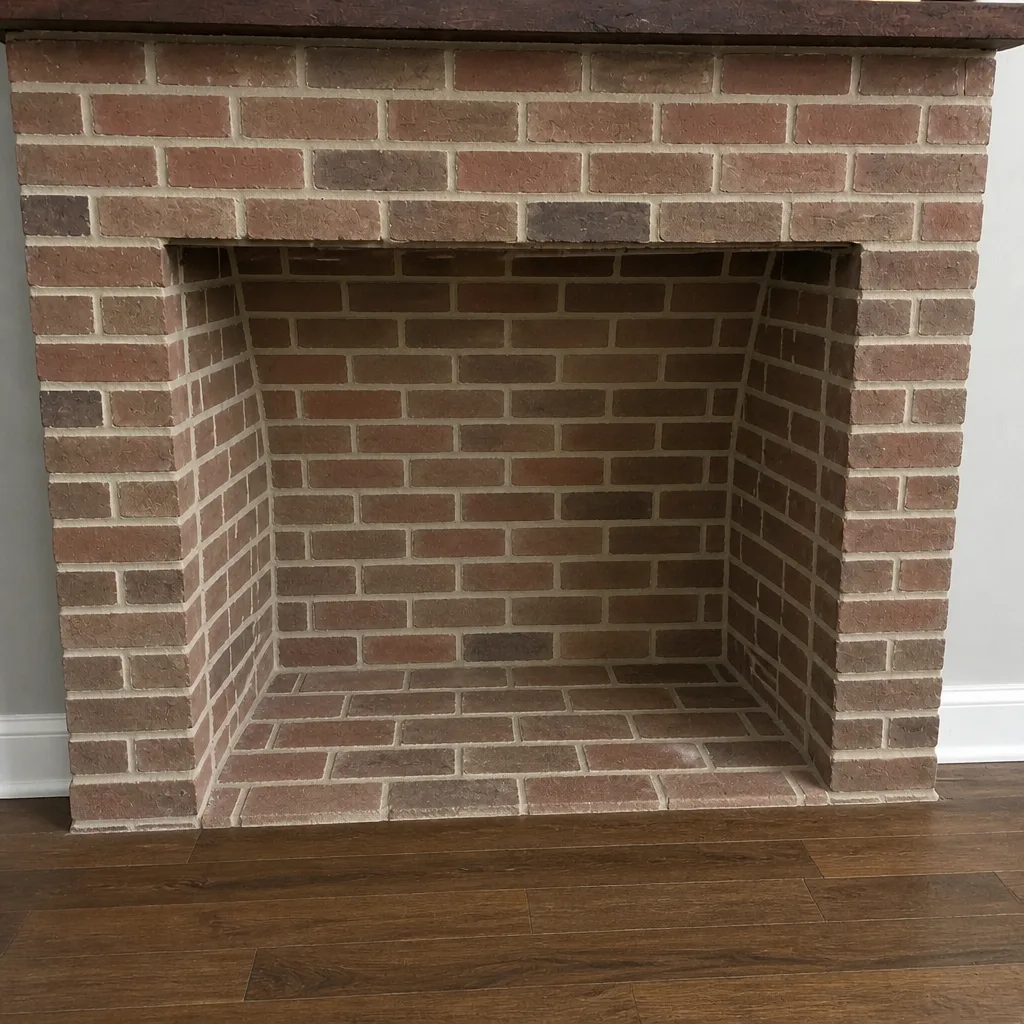
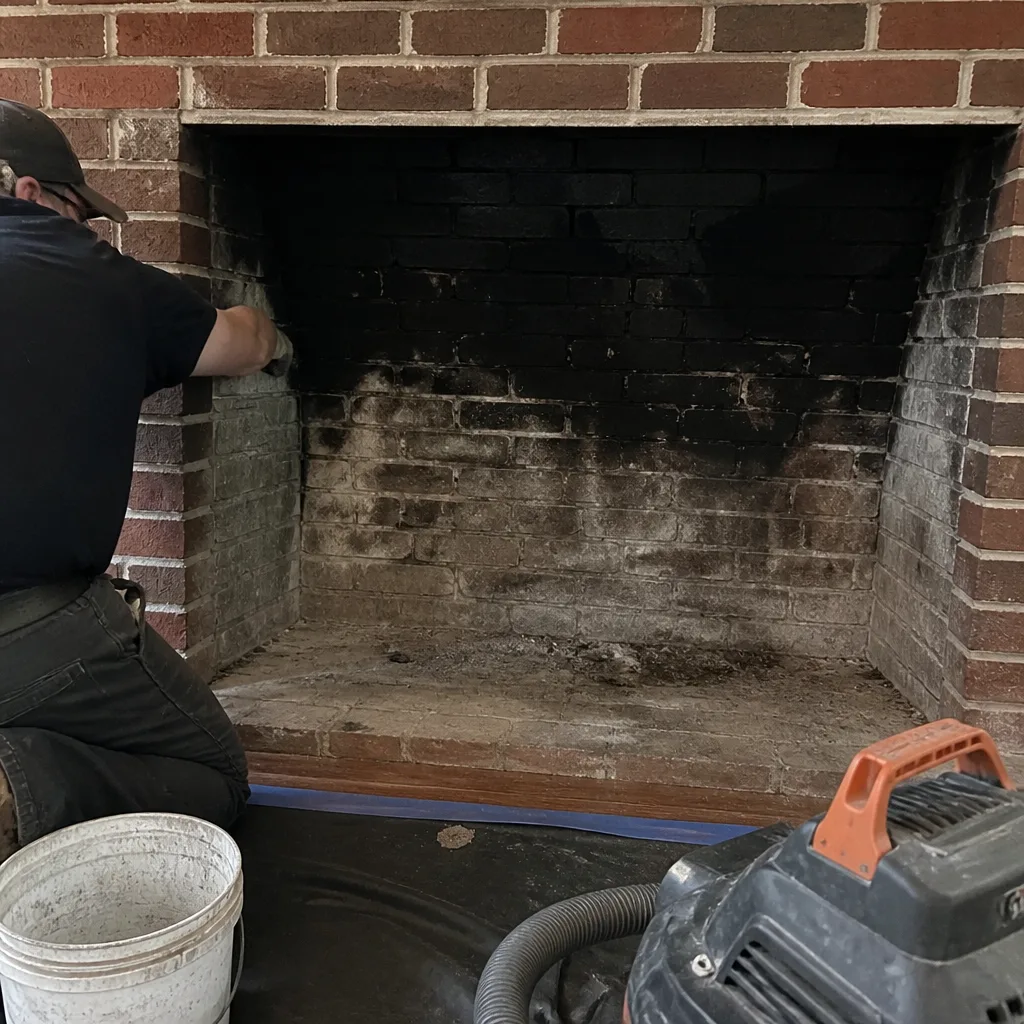 Before
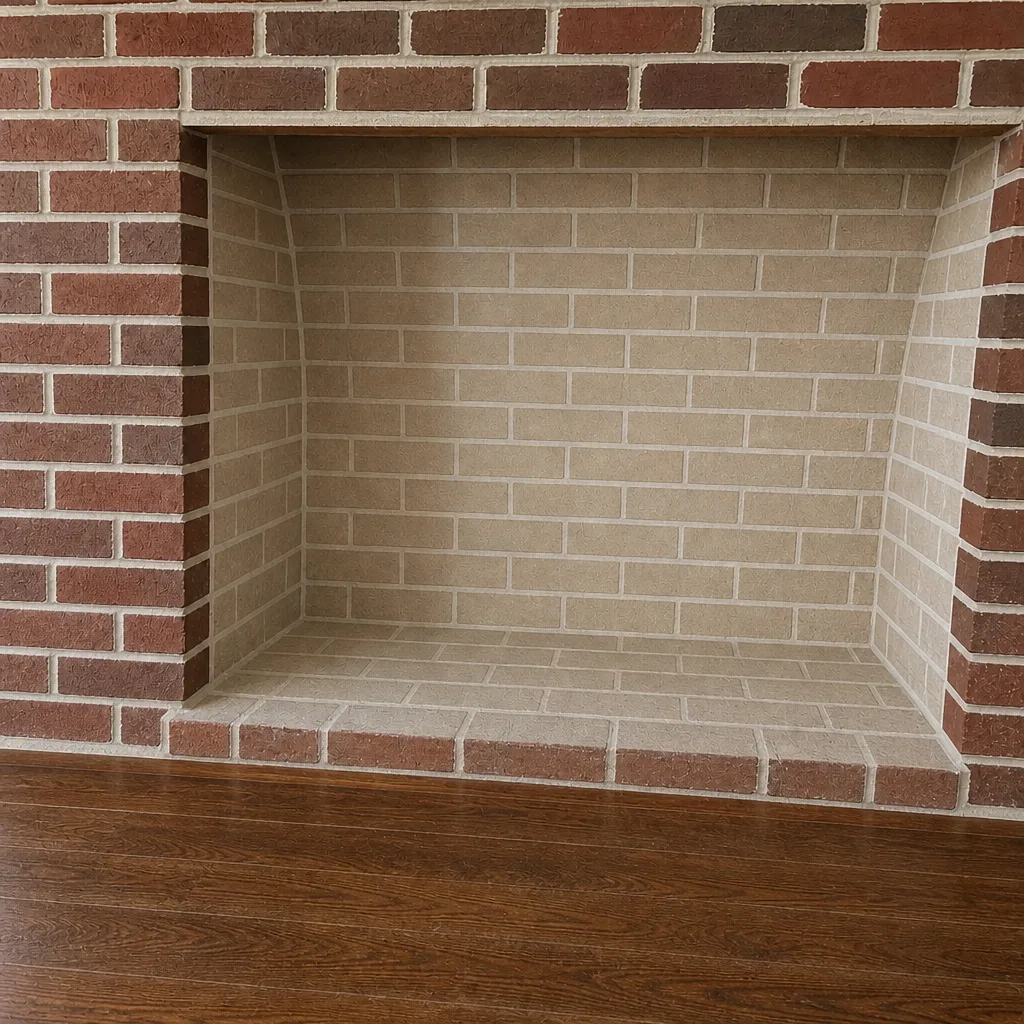 After
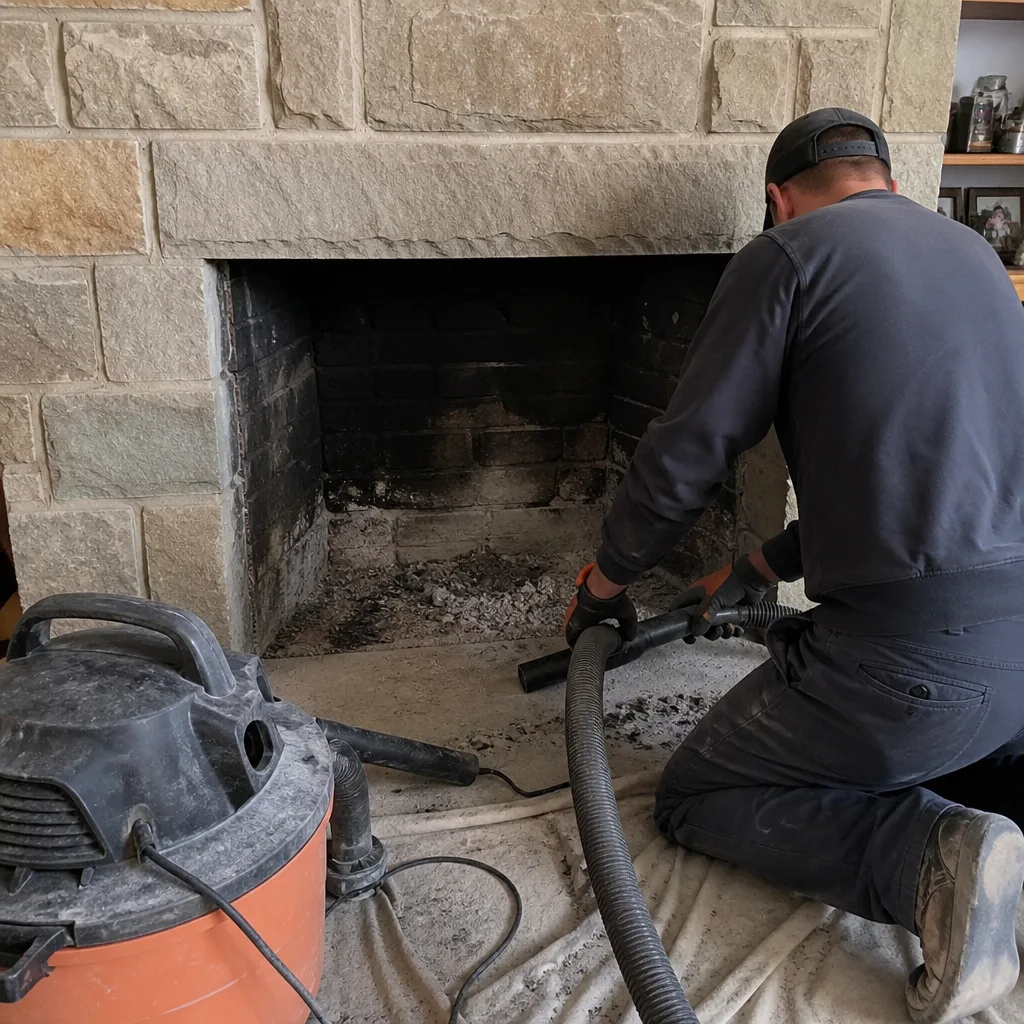
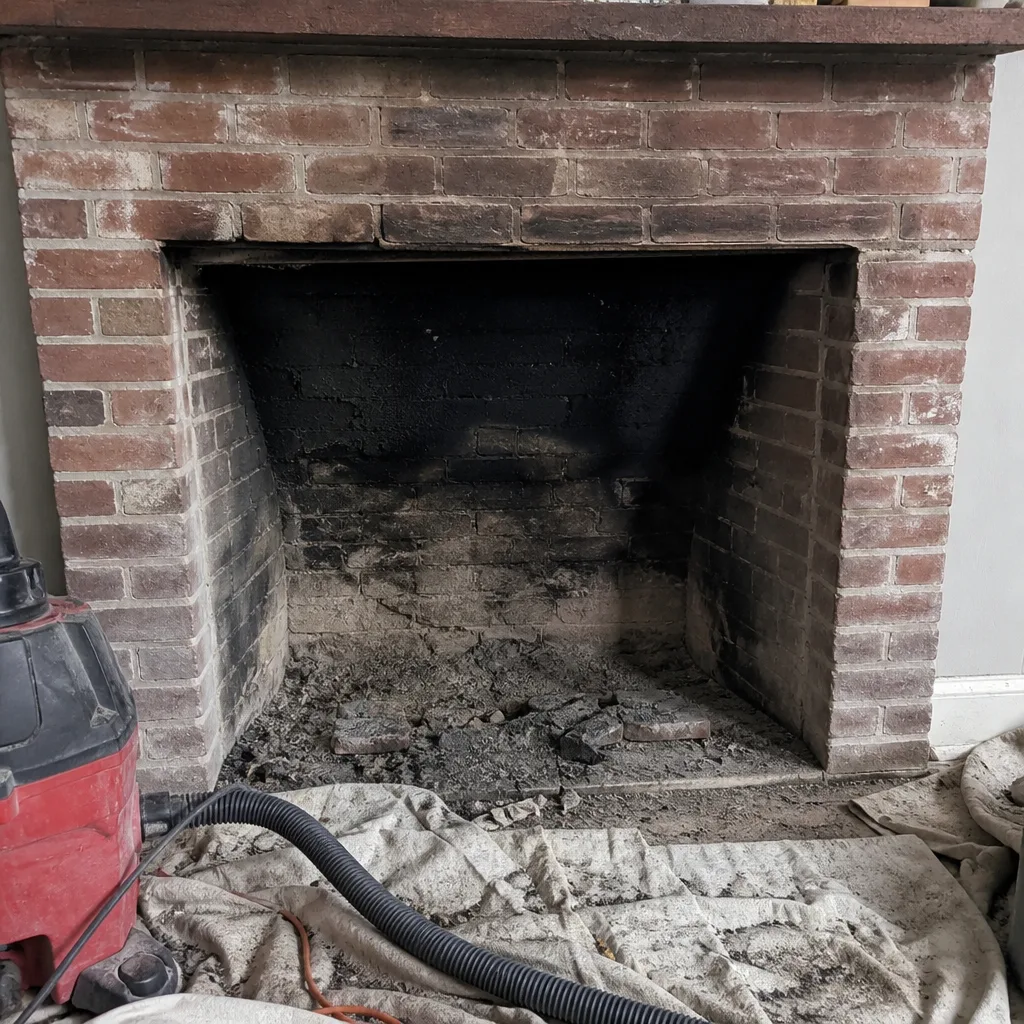 Before
 After
 Before
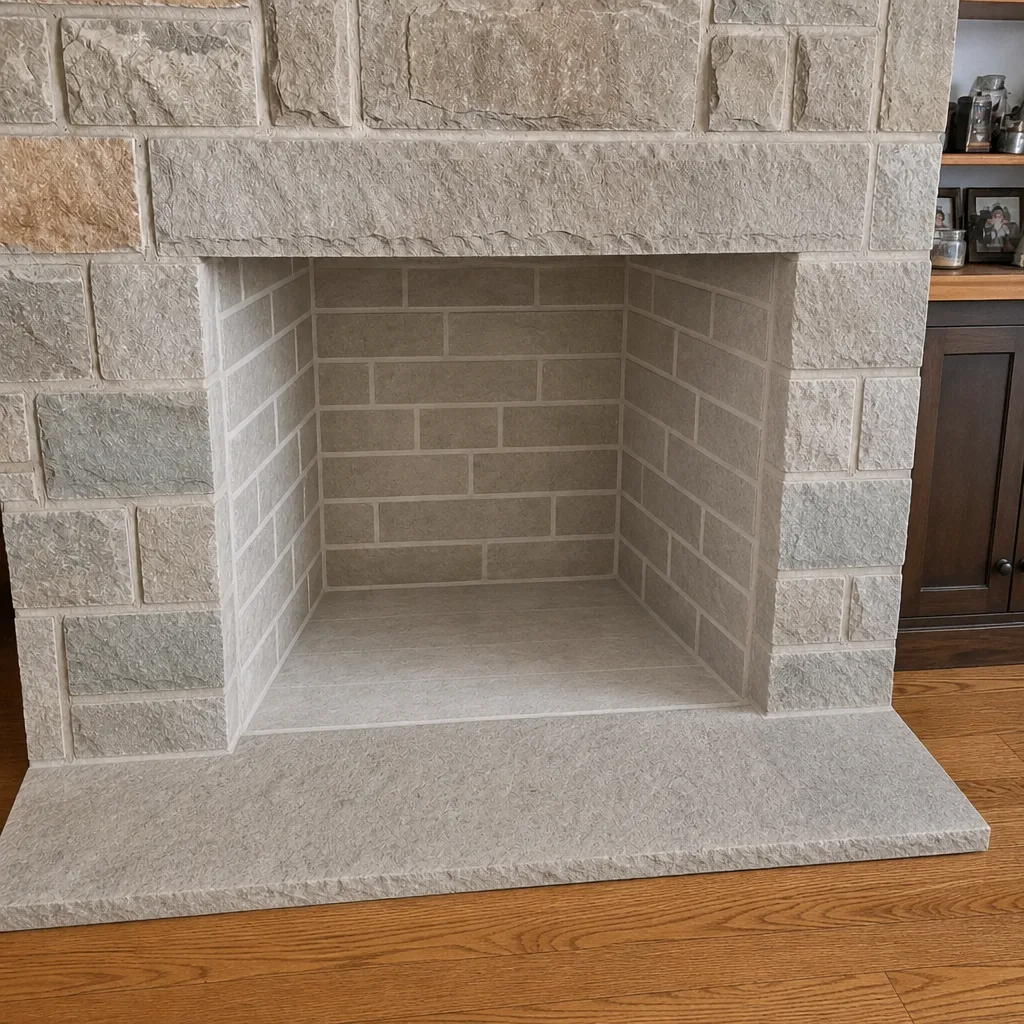 After