
Last updated November 24, 2026
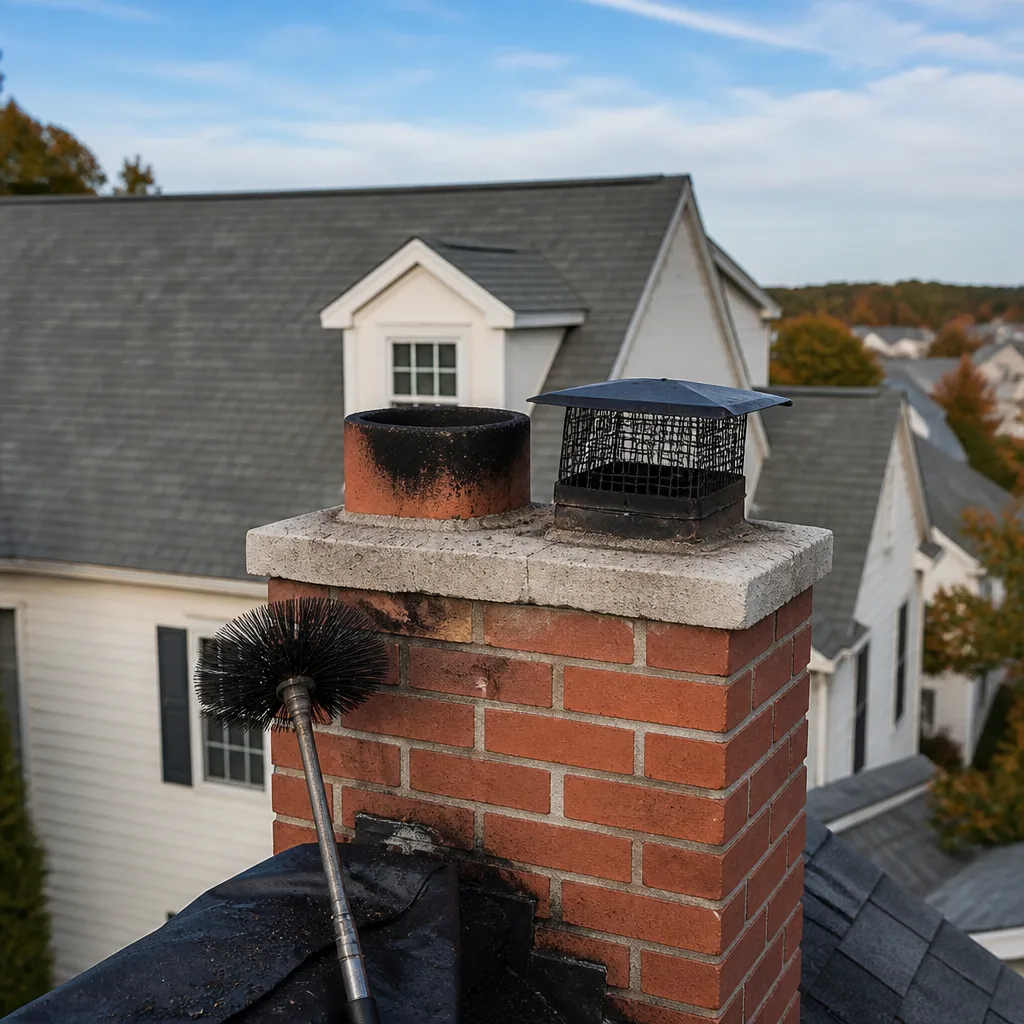 Sweep & inspection
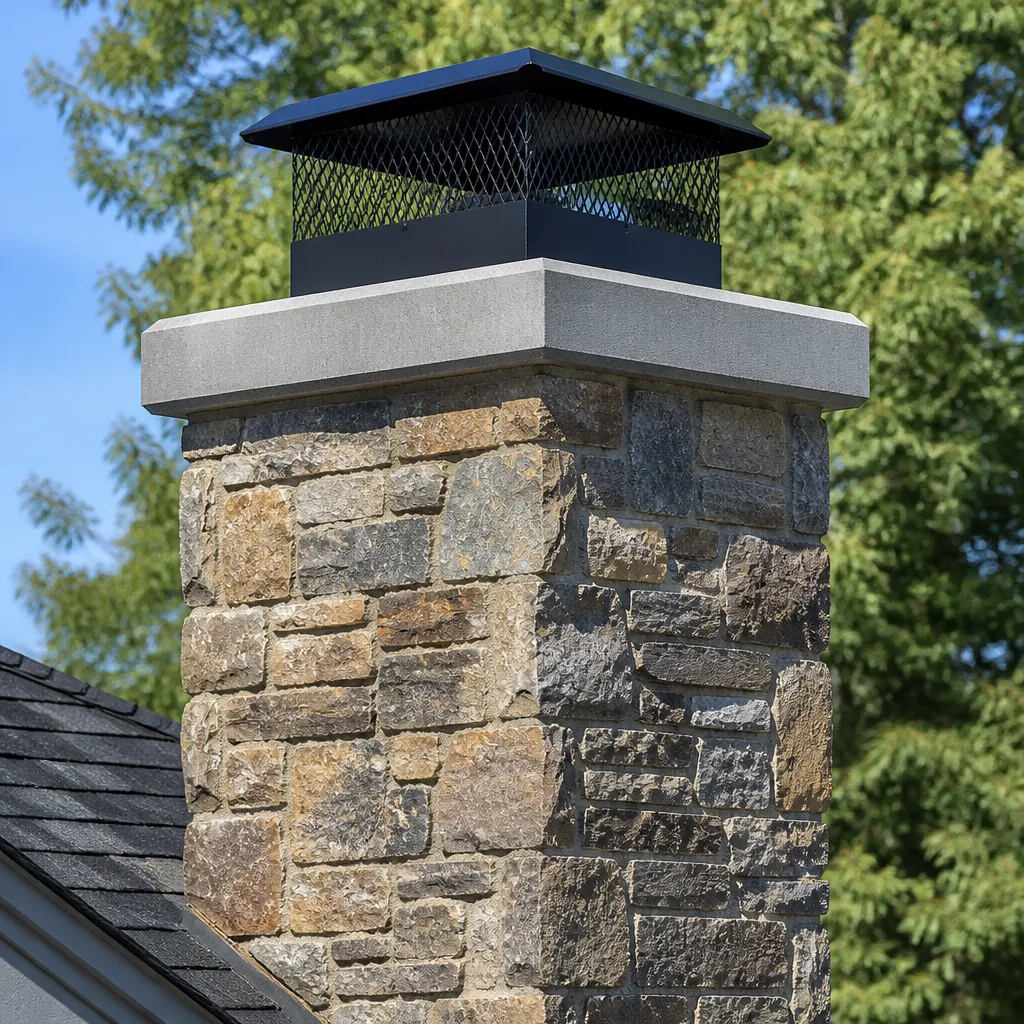 Caps & crowns
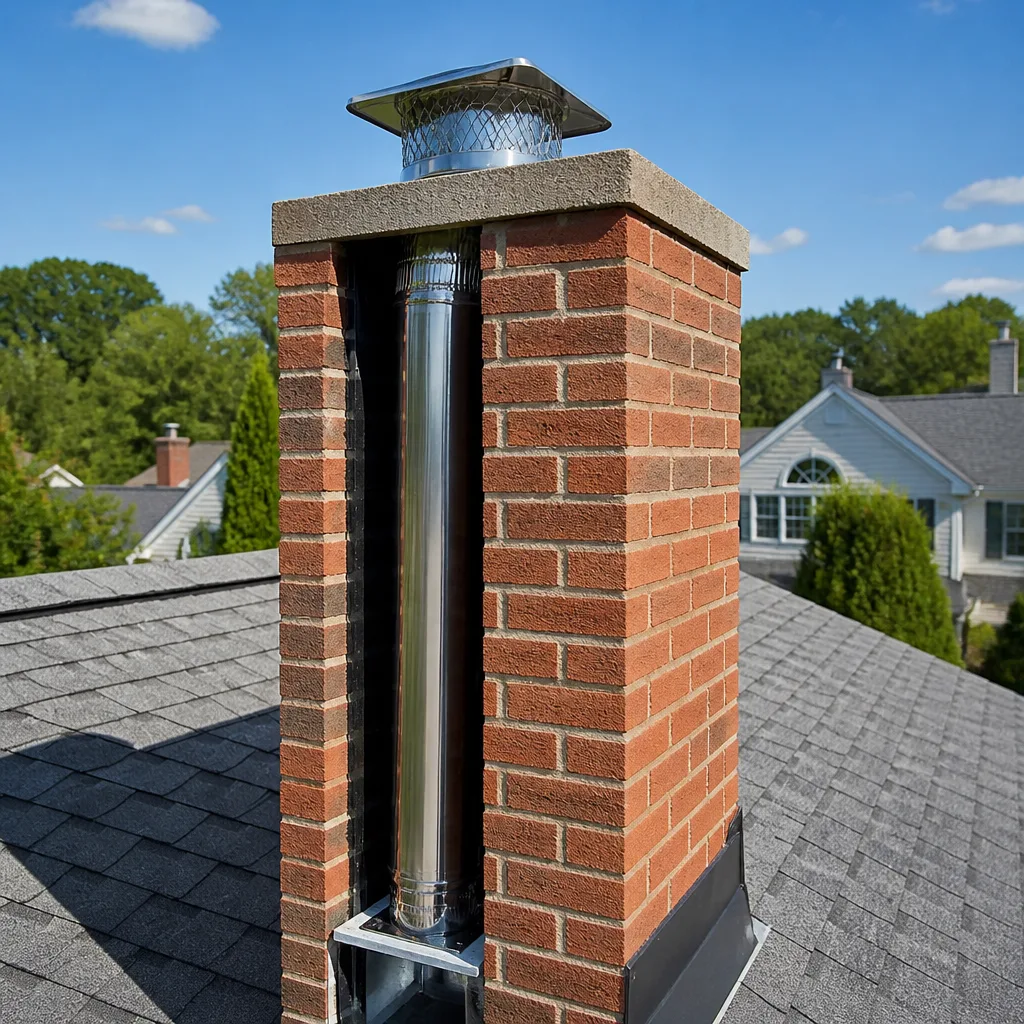 Flue relining
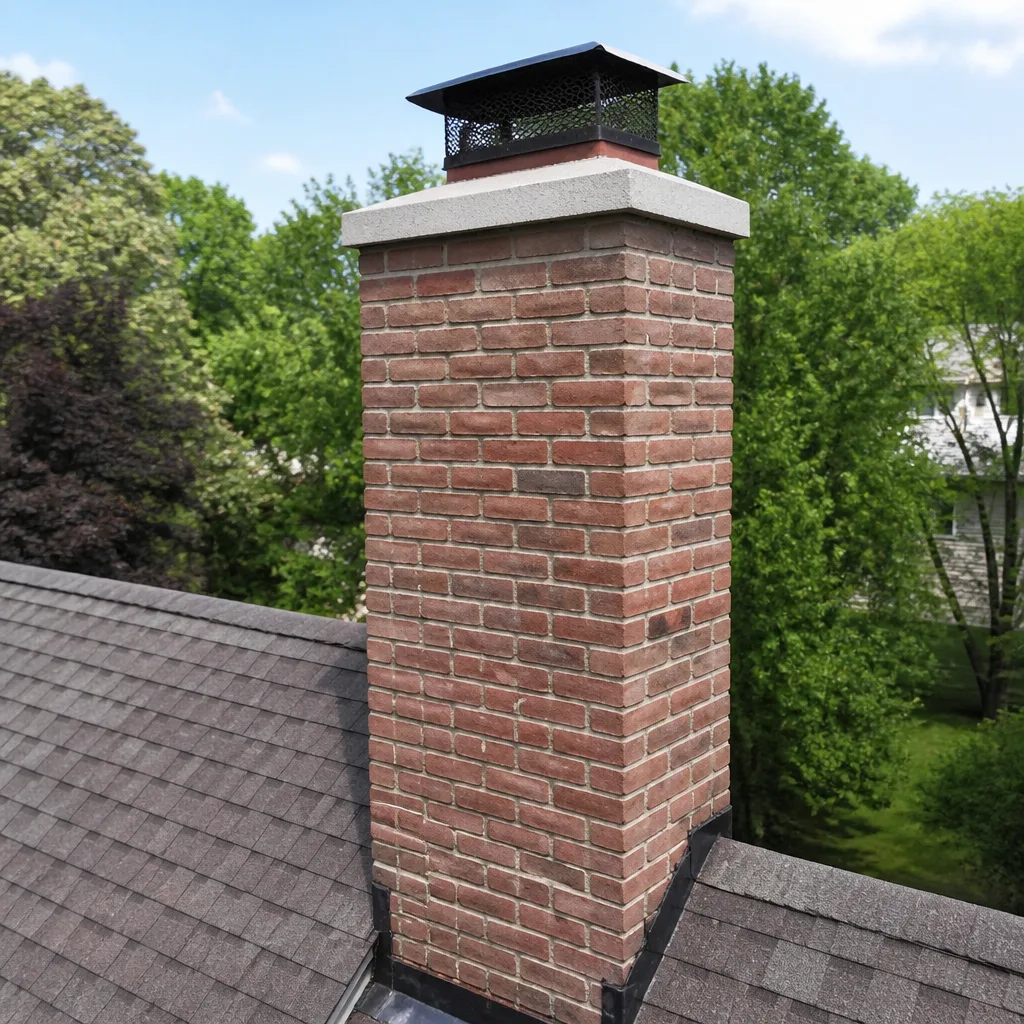 Masonry repair
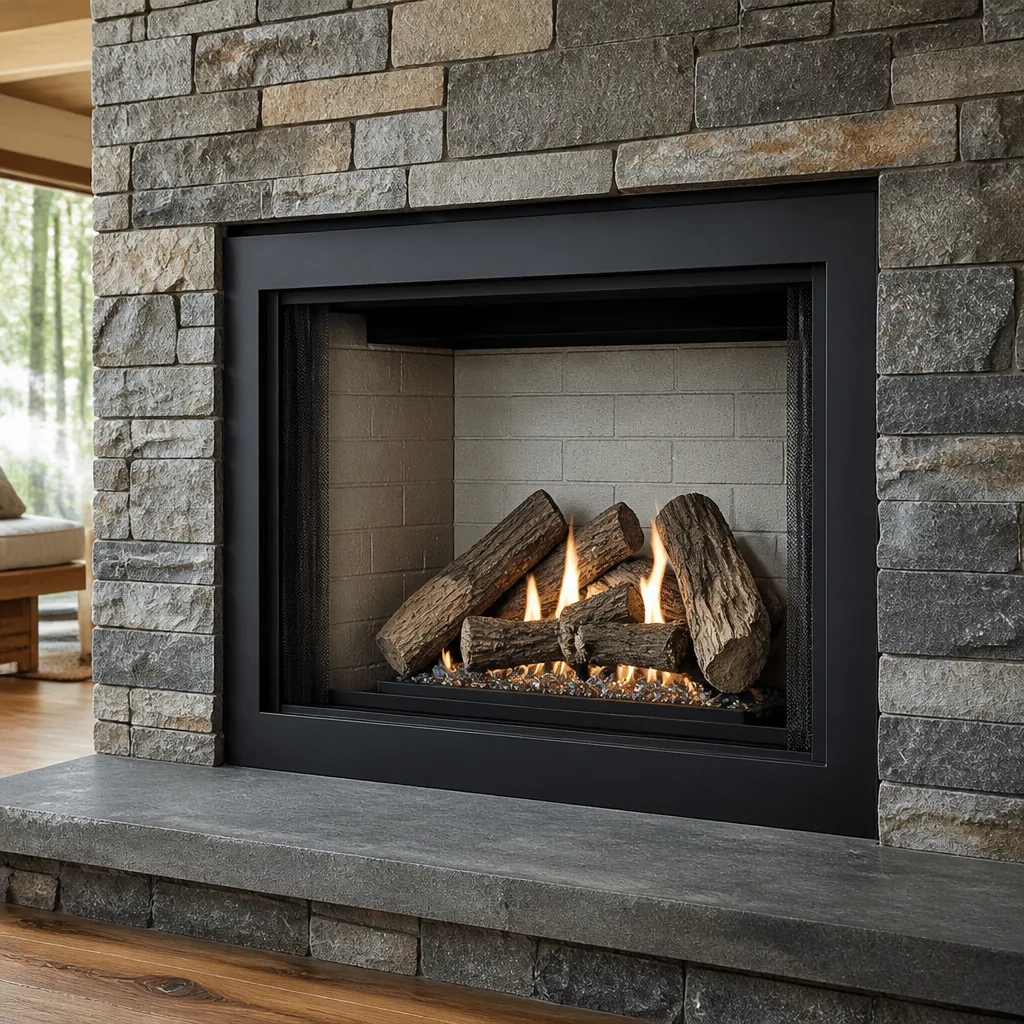 Gas fireplace service
Level 1 sweep and inspection to the NFPA 211 annual standard - flue, crown, cap, and flashing checked and photographed
Chimney sweep logs do not sweep chimneys. They loosen some creosote - which then falls where a brush and vacuum still have to collect it.
The Complete Guide to Chimney Cleaning in Charleston
A chimney can pass a visual glance and still be hiding a cracked flue liner that channels carbon monoxide into the living space. That’s the uncomfortable truth most brush-and-go cleanings never uncover. A sweep who looks up the flue, brushes it, and leaves has checked one part of a six-part system. In Charleston, where winters bite hard and the housing stock runs old, that gap matters. This guide maps the whole chimney system, explains what cleaning actually means for each piece, and shows you how to tell a complete service from a rushed one.
Quick Answer
Chimney cleaning in Charleston means sweeping the flue and firebox, then inspecting the full system: smoke chamber, liner, crown, cap, and chase. A proper service ends with a written report and photo evidence of what was found. Cleaning alone rarely tells you whether the chimney is safe to use; the inspection is what answers that question.
Styles & brands we work with
- Sweep & inspection
- Caps & crowns
- Flue relining
- Masonry repair
- Gas fireplace service
Table of Contents
- The Full Chimney System: What “Cleaning” Means for Each Part
- Why Columbia County’s Freeze-Thaw Cycles Accelerate Wear
- What CSIA Level 1, 2, and 3 Inspections Actually Cover
- Full-Service Specialist vs. Generalist Handyman: The Real Difference
- How to Read a Technician’s Post-Service Report
- What a Complete Chimney Cleaning in Charleston Looks Like, Step by Step
- How Often Should You Schedule a Cleaning?
- Common Mistakes to Avoid
- When to Call a Professional
The Full Chimney System: What “Cleaning” Means for Each Part
A chimney is not a single tube. It’s a stack of components that work together, and each one collects a different kind of problem. Cleaning one without checking the rest is like changing the oil and ignoring the brakes. Here’s what each component does and what a real cleaning involves for it.
- Firebox: Where the fire burns. Cleaning means removing ash, soot, and any crumbling mortar from the firebrick joints. Cracks in the firebox brick let heat reach the structure behind it.
- Smoke chamber: The sloped area just above the firebox where smoke compresses before entering the flue. It’s the most-missed part of a sweep because it requires reaching up and scraping the angled walls. Soot buildup here restricts draft.
- Flue liner: The clay tile or stainless liner that carries smoke and gases up and out. Cleaning means brushing the full run of the flue. Inspection means checking every joint for cracks, gaps, and separation.
- Crown: The concrete or masonry cap at the top of the chimney that sheds water away from the structure. Cleaning means clearing debris. Inspection means checking for cracks and spalling.
- Cap: The metal or mesh cover that keeps rain, animals, and debris out of the flue. A missing or damaged cap is a direct path for water into the chimney.
- Chase: The outer structure, whether brick, stone, or framed and sided. Cleaning means checking that the chase covering is intact and that water isn’t finding a way in.
When we talk about a complete service, this is what we mean. Liner, crown, cap, firebox: if it’s part of your chimney, it’s in our scope. A company that only sweeps the flue leaves five components unaddressed. In Charleston, with long heating seasons and older homes, those unchecked pieces are where the expensive problems start.
Why Columbia County’s Freeze-Thaw Cycles Accelerate Wear
Charleston sits in Columbia County, where the cold season runs long and temperatures swing across the freezing mark repeatedly through winter and into early spring. That cycle does more damage to a chimney than steady cold ever does. Water gets into a mortar joint or a hairline crown crack during a mild afternoon, then freezes overnight and expands. The ice pushes the crack wider. It thaws, water seeps deeper, and the next freeze widens it again.
This freeze-thaw rhythm is why masonry chimneys in Charleston need closer watching than the same chimney in a milder climate. The crown takes the worst of it. A concrete crown that’s slightly cracked in October can be a crumbling crown by March. The mortar joints between bricks do the same thing, and so do the clay flue tiles, which crack and spall when moisture gets behind them.
What this means for cleaning frequency and timing:
- Book a cleaning and inspection before the heating season starts, so any crack is caught before the first hard freeze drives water in.
- Pay particular attention to the crown and the top few courses of brick, which see the most freeze-thaw stress.
- Treat a cracked crown as urgent. Water that gets past the crown travels down through the chimney’s interior and into the house.
- Check the cap. A missing cap lets rain straight into the flue, where it soaks creosote and accelerates liner damage.
Our technicians have up to 12 years of experience reading these patterns in Charleston and know what a freeze-thaw winter does to a chimney crown. The repair side is where the chimney cap & crown work matters most: a sound cap and crown keep the water out and slow everything else down.
What CSIA Level 1, 2, and 3 Inspections Actually Cover
The Chimney Safety Institute of America defines three inspection levels, and knowing which one you’re getting changes what you can expect from a visit. A cleaning is not automatically an inspection. The two are separate tasks, and the level of inspection determines how deep the check goes.
- Level 1: A visual check of readily accessible parts of the chimney and venting, without special tools or opening anything up. This is the standard inspection for a chimney that’s in known good condition with no changes to the system. It covers the firebox, damper, and what’s visible of the flue from below and above.
- Level 2: Adds a camera scan of the flue interior and a check of accessible attic, crawlspace, and other areas the chimney passes through. This is warranted when you’ve changed fuels, replaced an appliance, had a chimney fire, or bought a home. It’s the level that catches a cracked liner the eye can’t see.
- Level 3: Adds removal of parts of the chimney or building to reach concealed areas, and it’s warranted only when a Level 2 finds a serious problem that can’t be diagnosed otherwise. It’s rare.
For most Charleston homeowners with an active fireplace, a Level 2 inspection is the sensible baseline because the camera scan is what reveals cracked or separated flue tiles. If you’re buying a home in Charleston with a wood-burning insert, a Level 2 before closing tells you what you’re actually getting. The local pro is licensed and insured as their state requires, so you’re covered either way.
We work with professional-grade brands including DuraFlex and HeatShield, and the point of that is simple: when the camera finds a problem, we can address it rather than hand you a phone number for someone else. A HeatShield resurfacing can restore a liner that’s cracked but structurally sound, which is a cost-saving route most sweep-only companies can’t offer. A DuraFlex flexible stainless liner handles older or offset flues that rigid systems can’t navigate.
Full-Service Specialist vs. Generalist Handyman: The Real Difference
Both will tell you they clean chimneys. The scope of work behind that word is not the same. A generalist handyman or a multi-trade contractor typically has one brush and one approach: sweep the flue, vacuum the firebox, collect the check. When the cleaning turns up a cracked crown or a failed liner, the generalist’s answer is usually “you’ll need to call a chimney company.” The problem sits there until you do.
A full-service chimney specialist handles the entire system. That means:
- Sweeping with the right brushes and equipment for the flue type, including removing creosote from the smoke chamber, not just the straight run.
- Inspection with a camera at the level the situation warrants, then a written report.
- Fireplace repair for the firebox, damper, and firebrick when the cleaning reveals a problem.
- Chimney repair for the crown, masonry, and liner, using materials specified for the job.
- Cap and crown installation to close off the system against water and animals.
That’s the difference between a brush-and-go job and a service that ends with a working chimney. Find the problem and fix it, same crew, same visit. In our experience, the handoff between “the person who found the issue” and “the person who fixes it” is where most chimney problems go unaddressed for another season. In Charleston, where a missed crown crack gets worse every freeze, that season matters.
If you’re scheduling the annual sweep, start with the chimney sweep, and let the inspection that comes with it tell you what else, if anything, needs attention. A clean chimney is the starting point, not the finish line.
How to Read a Technician’s Post-Service Report
A written report after a cleaning is more than paperwork. It’s the record of what your chimney looks like, and its language tells you how thorough the service actually was. A vague report is a signal the technician may not have looked very hard. Here’s what to look for.
Signs of a complete report:
- It names each component: firebox, smoke chamber, flue, crown, cap, chase.
- It states condition, not just “cleaned” or “OK,” for each part: “flue free of obstruction, minor glazing on upper section,” for example.
- It includes photos or video stills of the flue, especially if a camera was used.
- It distinguishes between what needs attention now and what can safely wait.
- It notes the type and amount of creosote found, which tells you about your burning habits and the wood you’re using.
Signs of a report that signals a rushed job:
- One line: “Chimney cleaned, no issues found.” No component detail, no photos.
- Language like “minor wear” or “looks fine” with nothing specific to back it up.
- No mention of the crown or cap, which are the parts most likely to have problems and the easiest to skip.
- A recommendation for major work with no photo or video evidence attached.
That last point is the one homeowners worry about most. Being told you need thousands of dollars of liner or masonry work you have no way to verify is a legitimate hesitation, and it should never happen. Nothing should be recommended without camera evidence you can see for yourself, and a straight-talking technician will tell you plainly when a repair can safely wait a season.
What a Complete Chimney Cleaning in Charleston Looks Like, Step by Step
Knowing the sequence helps you judge whether a service was done properly. Here’s how a full-service cleaning and inspection typically goes, and what each step is for.
- Set up and protect the room. Drop cloths and a sealed work area keep soot out of the house. This is the first sign of a professional approach.
- Inspect before cleaning. A quick look at the firebox, damper, and flue opening before touching anything tells the technician what condition they’re starting from.
- Sweep the firebox and smoke chamber. This is where most missed soot lives. The angled smoke chamber walls need scraping, not just brushing.
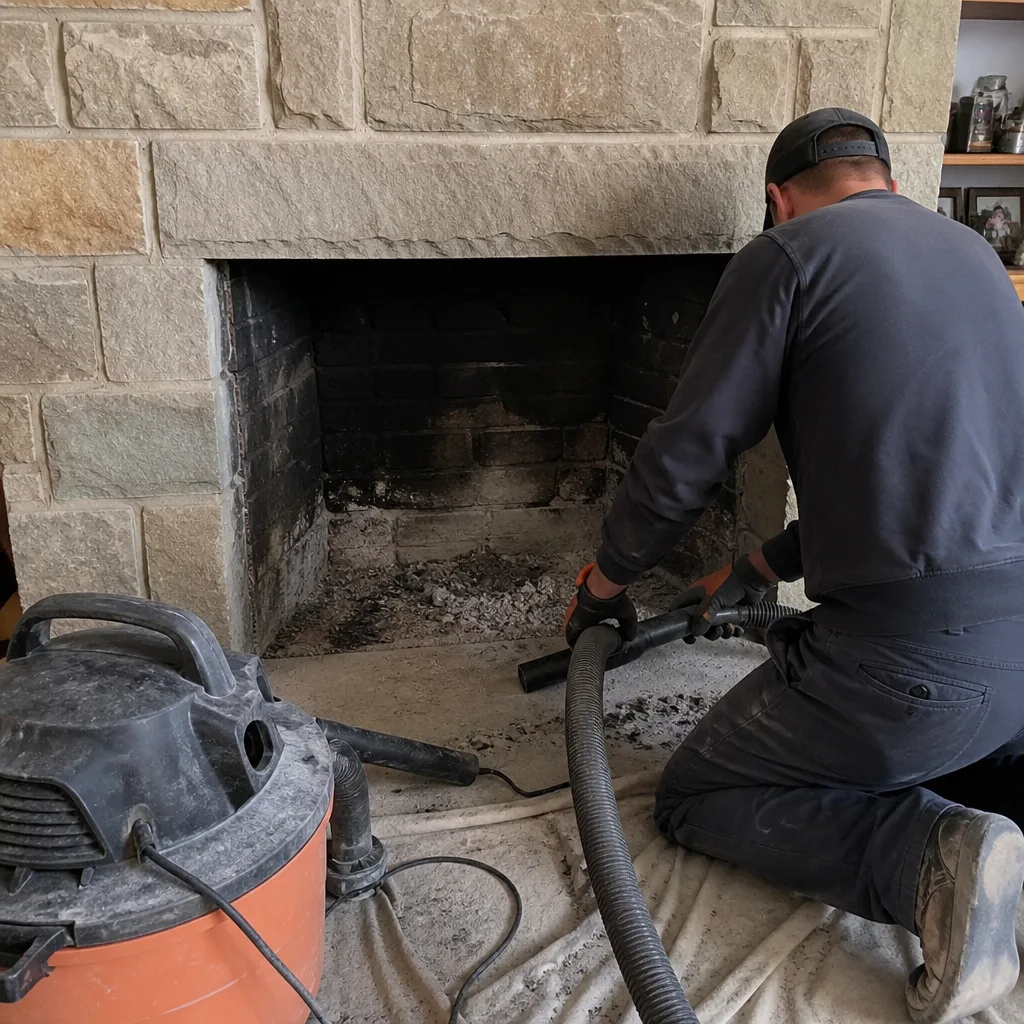
- Brush the flue, top to bottom. The right brush for the liner type, run the full length, with an industrial vacuum running to capture the dust.
- Run a camera scan if warranted. A Level 2 camera view of the flue shows every joint. This is where cracked or separated tiles turn up.
- Inspect the top end. Crown, cap, and chase from the roof or a ladder: the parts that take the freeze-thaw beating in Columbia County.
- Write up findings with photos. A report that names each component and shows what was found.
- Talk through the findings. A technician explains what needs attention now, what can wait, and why.
Any step skipped is a gap. A sweep that brushes the flue and writes a one-line report did steps 4 and maybe 3, and skipped the rest. In Charleston, where a single freeze can turn a small crown crack into a leaking chimney, steps 6 and 7 are the ones that protect your home.
How Often Should You Schedule a Cleaning?
The general industry guidance is to have a chimney cleaned and inspected once a year, and more often if you burn heavily. For most Charleston homes with a fireplace used through the heating season, that annual schedule lines up well with the local climate: book it in late summer or early fall, before the first freeze and the start of regular burning.
Several factors push the schedule tighter:
- How much you burn. A fireplace used most evenings through a long Columbia County winter builds creosote faster than occasional use.
- What you burn. Seasoned, dry wood leaves less creosote. Unseasoned or green wood leaves much more.
- The type of creosote. Glazed, hardened creosote is a fire risk and needs more than a routine brush.
- The age and condition of the liner. An older clay tile liner with early cracks warrants a closer look each year.
- Any change to the system. A new insert, a different fuel, or a chimney fire means a Level 2 inspection regardless of when the last cleaning was.
A chimney that’s burning well and was clean last season still needs its annual check. The value is in catching the changes year over year: a new hairline crack in the crown, a slightly separated flue tile. Those are the early signs that cost little to fix and a lot to ignore.
Chimney Fire and Carbon Monoxide: Why the Cleaning Matters
There are two real hazards a proper cleaning and inspection address, and both are worth understanding plainly. The first is chimney fire. Creosote, the residue left by burning wood, is flammable. When it builds up enough inside the flue, it can ignite. A chimney fire can burn hot enough to damage the liner or the structure around it, and a slow-burning one can go unnoticed. Regular cleaning removes the creosote before it reaches that point.
The second is carbon monoxide. A blocked or damaged flue can send combustion gases back into the living space instead of up and out. A cracked liner, a separated flue tile, or a blockage from an animal nest are all ways this happens. Carbon monoxide is colorless and odorless, which is why the inspection matters: you can’t see the gas, but you can see a cracked liner on a camera scan or a blocked flue.
We don’t say this to alarm anyone. A well-maintained chimney with a sound liner, an intact cap, and regular cleanings is a safe system. The point is that the cleaning is the maintenance that keeps it that way, and the inspection is how you confirm it. If you’re wondering whether the schedule matters, the answer is yes, especially in Charleston, where the long heating season means the flue is working hard for months.
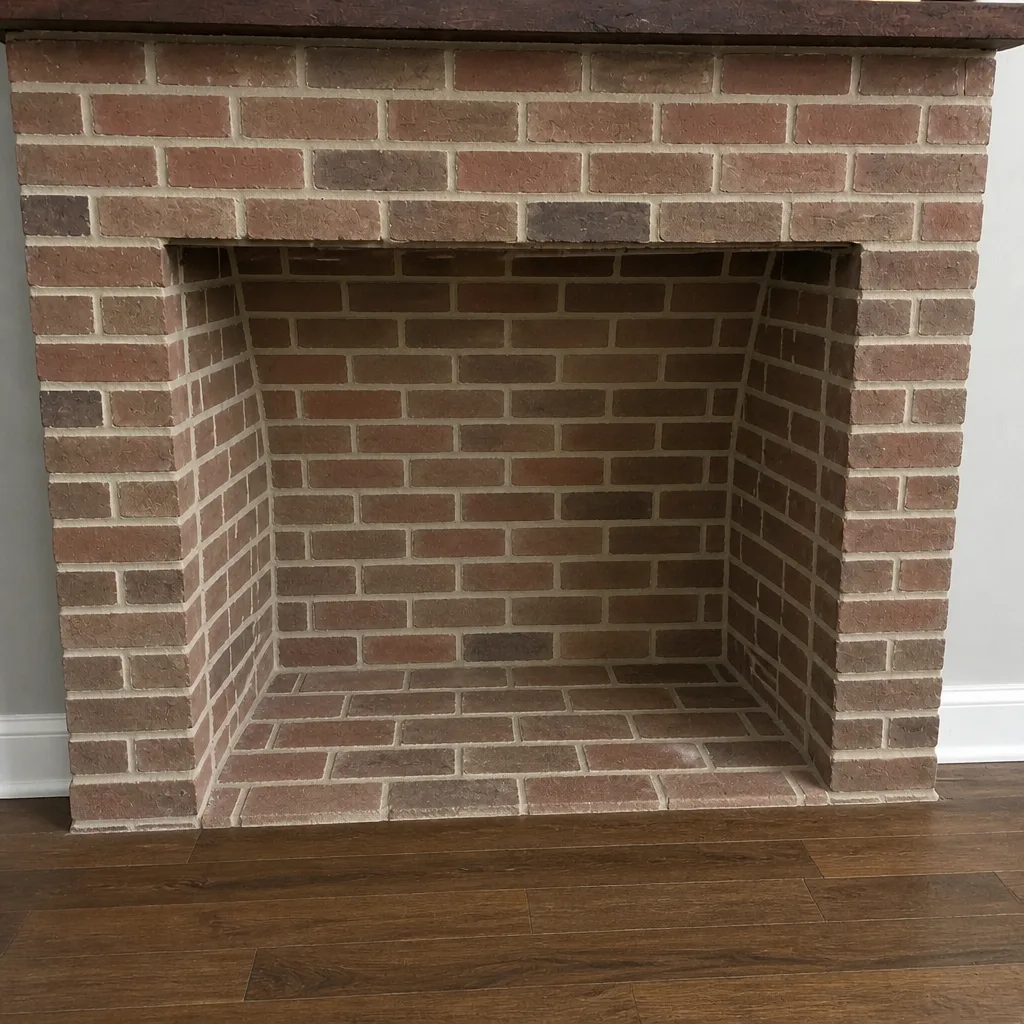
See the difference
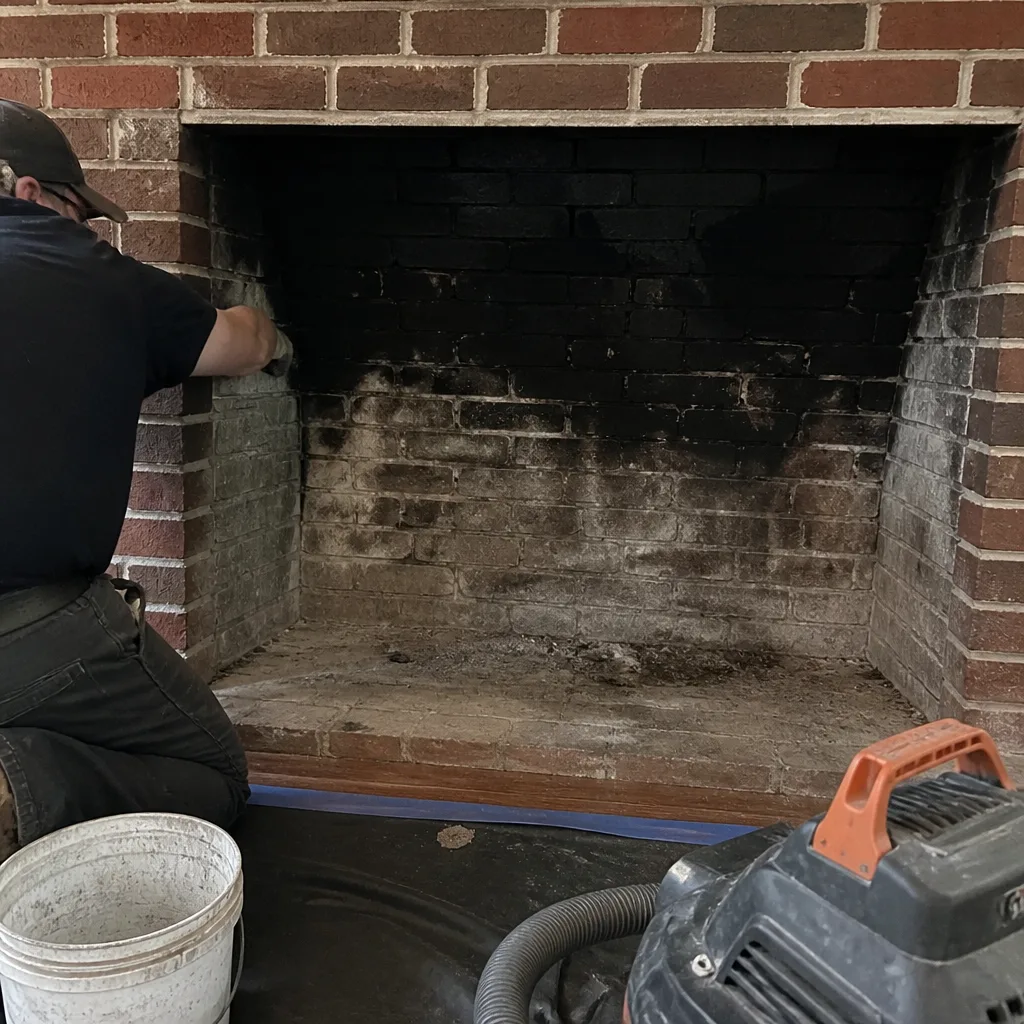 Before
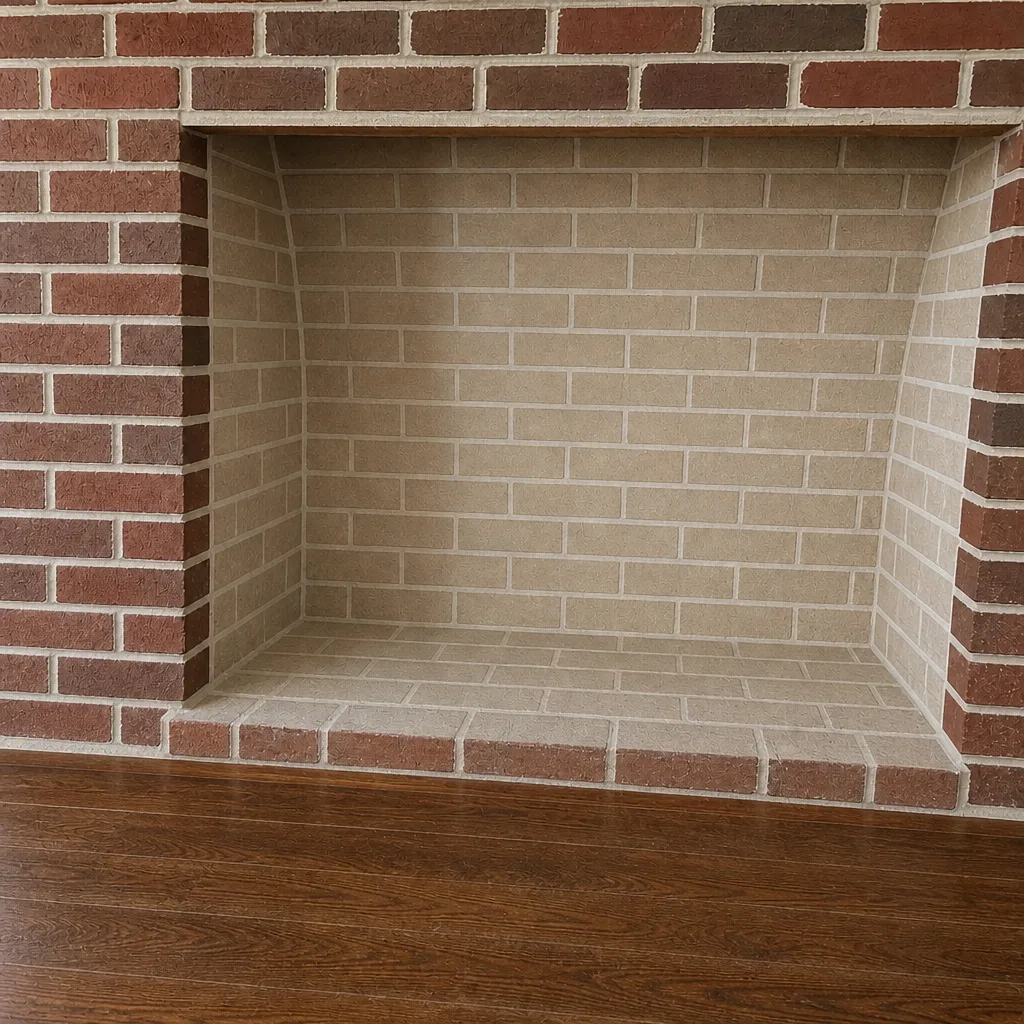 After
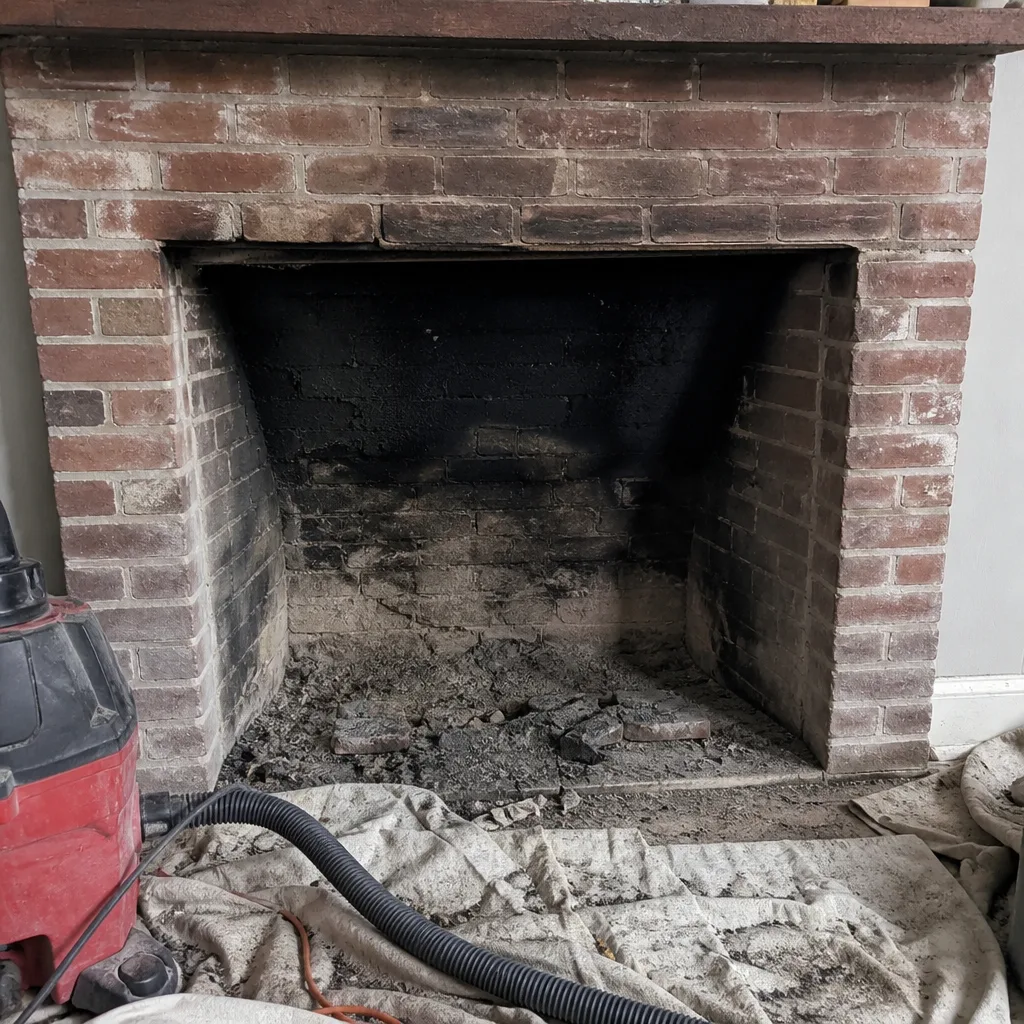 Before
 After
 Before
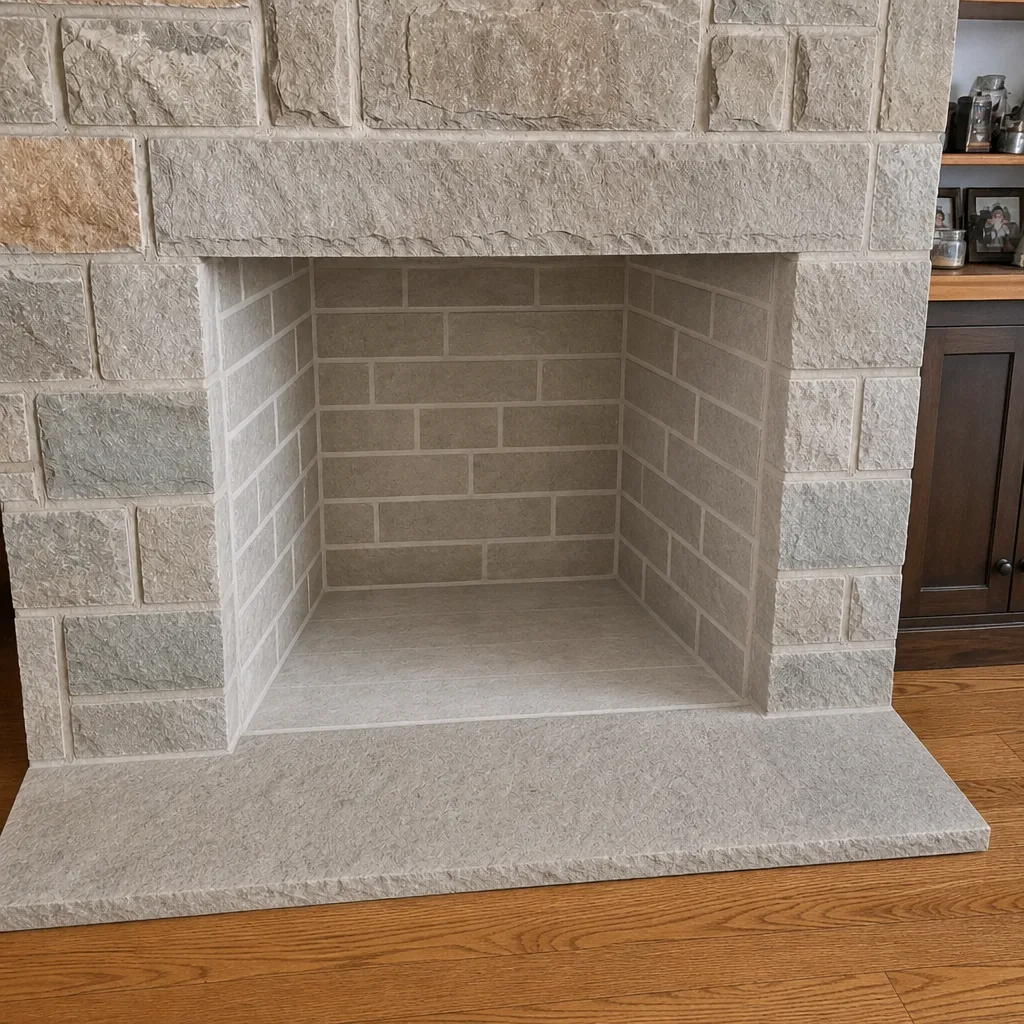 After
Protecting the Chimney Between Cleanings
Between professional visits, a few habits keep a Charleston chimney in better shape and make the next cleaning easier. None of these replace the annual service; they just reduce the wear between them.
- Burn seasoned wood. Wood that’s dried properly burns hotter and cleaner, leaving less creosote. Unseasoned wood wastes heat up the flue and coats it with residue.
- Keep the cap in good repair. A damaged cap lets rain and animals in. Check it after storms, especially through a Columbia County winter.
- Watch the crown. A hairline crack is worth mentioning at the next visit. A crumbling crown is worth a call before the next freeze.
- Never burn trash or paper in the fireplace. It burns unevenly and adds to creosote and soot buildup.
- Keep a chimney-cleaning schedule. Annual is the baseline; more often if you burn heavily or notice draft problems.
When a repair does turn up, the fireplace repair side of the work covers the firebox, damper, and firebrick, and the liner and masonry work covers the rest. One call, one crew, no handoff. The Charleston Chimney Sweep Pros handle the full chimney system, which is the difference between a sweep and a specialist.
Common Mistakes to Avoid
- Treating the cleaning as the whole job. A sweep that brushes the flue and leaves has checked one of six components. Confirm the service includes an inspection and a written report before you book.
- Skipping the camera scan on an older home. Charleston’s older housing stock often has clay liners with cracks that eyes can’t see. Without a camera, a cracked liner goes undiagnosed.
- Ignoring the crown through winter. In Columbia County, a small crown crack gets worse with every freeze-thaw cycle. Check it before the first freeze, not after.
- Hiring a generalist for a chimney job. A handyman with one brush can sweep but can’t fix a crown or resurface a liner. The problem gets handed off and often delayed a season.
- Accepting a one-line report. “Cleaned, no issues” isn’t a report. Ask for component detail and photos, especially of the flue and crown.
- Burning unseasoned wood to save money. Green wood leaves much more creosote, which means more frequent cleaning and a higher fire risk. Seasoned wood is the cheaper path over a season.
- Waiting for a problem to show up before scheduling. By the time a chimney problem is obvious (draft issues, smoke in the room, water stains), it’s often past the simple fix. Annual service catches it earlier.
When to Call a Professional
Some chimney issues are worth a call before the next scheduled cleaning. If you see water stains on the ceiling or walls near the chimney, that’s a crown or cap problem and it won’t fix itself. If smoke rolls back into the room when you light a fire, the flue is likely blocked or the draft is compromised. If you’ve had a chimney fire, even a small one, you need a Level 2 inspection regardless of when you last had a cleaning. And if it’s simply been more than a year since the last service, book it before the heating season starts. Charleston Chimney Sweep Pros offers free estimates in Charleston. Call (833) 509-4937. We answer 24/7, and fast dispatch runs from 7am to 7pm, Sunday through Friday.
Frequently Asked Questions
Chimney cleaning in Charleston varies by flue type, how much creosote has built up, and whether a camera inspection is included. The estimate is free and the written quote sets the final price. Call (833) 509-4937 for an exact quote. We answer 24/7, and fast dispatch runs from 7am to 7pm, Sunday through Friday.
Not always, and that’s the point. A cracked liner can sometimes be restored with a HeatShield resurfacing rather than fully replaced, and a flexible DuraFlex stainless liner handles older or offset flues that rigid systems can’t. The decision should follow the camera evidence: if the liner is sound, say so; if it’s cracked, show the footage and explain the options. Nothing should be recommended without evidence you can see. Call (833) 509-4937 to book an inspection and get a straight answer.
Once a year for most homes, and more often if you burn heavily or use unseasoned wood. In Charleston, the long heating season means the flue works hard, so an annual cleaning and inspection before the first freeze is the sensible baseline. Call (833) 509-4937 for an exact quote.
Creosote keeps building up, and a cracked liner or crown crack goes unnoticed and gets worse. In Columbia County, a small crown crack can widen through freeze-thaw cycles into a leak that reaches the house. The annual service is what catches those early. Call (833) 509-4937 for a free estimate.
Often, yes. Our approach is to find the problem and fix it, same crew, same visit, without handing the job to a subcontractor. Cleaning, inspection, and repair sit with one company, so there’s no gap between who found the issue and who fixes it. Call (833) 509-4937 to talk through what your chimney needs.
A Level 2 adds a camera scan of the flue interior and checks accessible attic and crawlspace areas, which is how cracked or separated liners get caught. It’s worth having after a chimney fire, when you buy a home, or when you’ve changed fuels or appliances. For most Charleston homes with an active fireplace, it’s a sensible baseline. Call (833) 509-4937 for an exact quote.
The Bottom Line
Chimney cleaning in Charleston is not one task. It’s a sweep of the flue and firebox plus an inspection of the whole system, from the firebox and smoke chamber up through the liner, crown, cap, and chase. Columbia County’s freeze-thaw cycles make the top of the chimney the part that needs the closest watch, and a camera scan is how you confirm what the eye can’t see. A complete service ends with a written report and photos, and nothing gets recommended without evidence. A full-service specialist covers the sweep, inspection, fireplace repair, chimney repair, and cap and crown work without a handoff. Find the problem and fix it, same crew, same visit.
Charleston Chimney Sweep Pros offers five core services: Chimney Sweep, Chimney Inspection, Fireplace Repair, Chimney Repair, and Chimney Cap & Crown installation. We work with professional-grade brands including DuraFlex, HeatShield, Gelco, Olympia Chimney, Famco, and Copperfield, the materials chimney engineers specify. If you’re due for a cleaning or you’ve spotted a problem, call (833) 509-4937 for a free estimate. We answer 24/7, and fast dispatch runs from 7am to 7pm, Sunday through Friday. A clean chimney is the starting point, not the finish line.
Written by the team at Charleston Chimney Sweep Pros.