
Last updated November 24, 2026
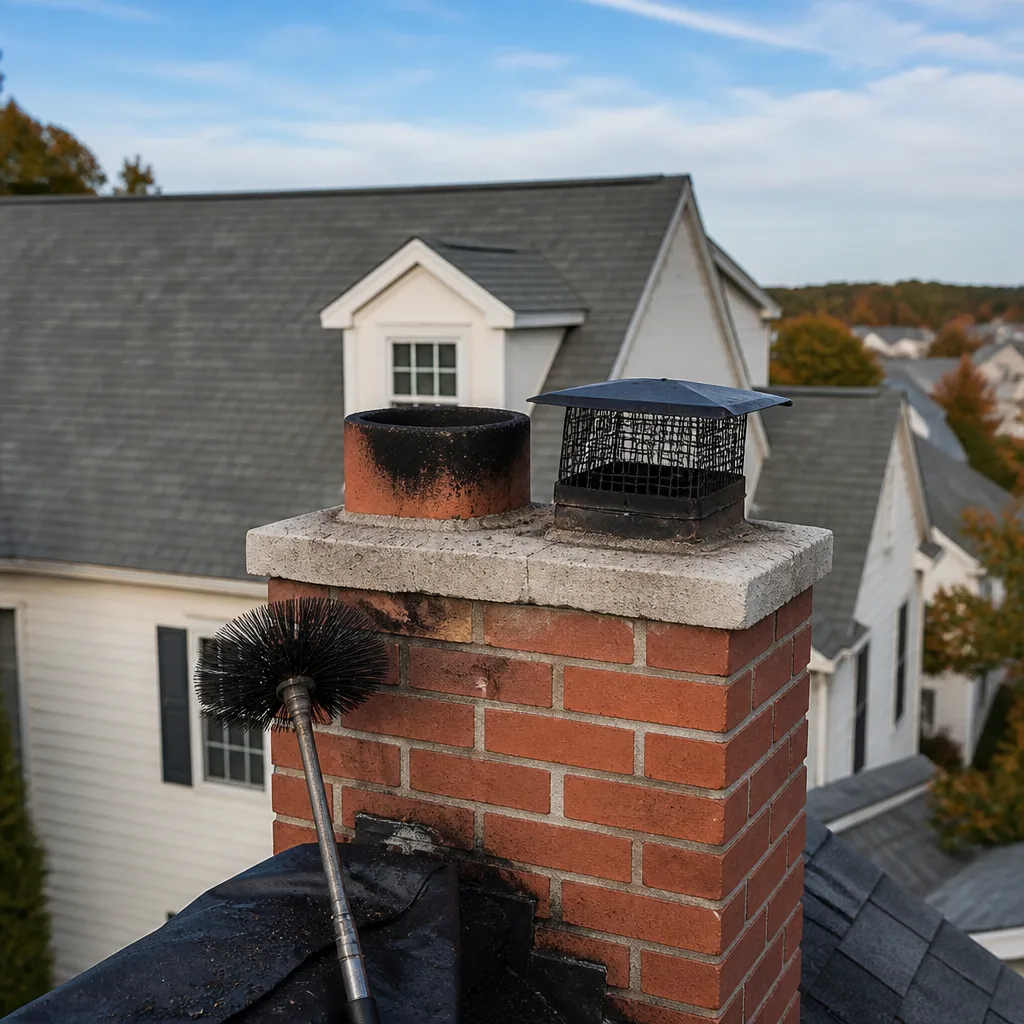 Sweep & inspection
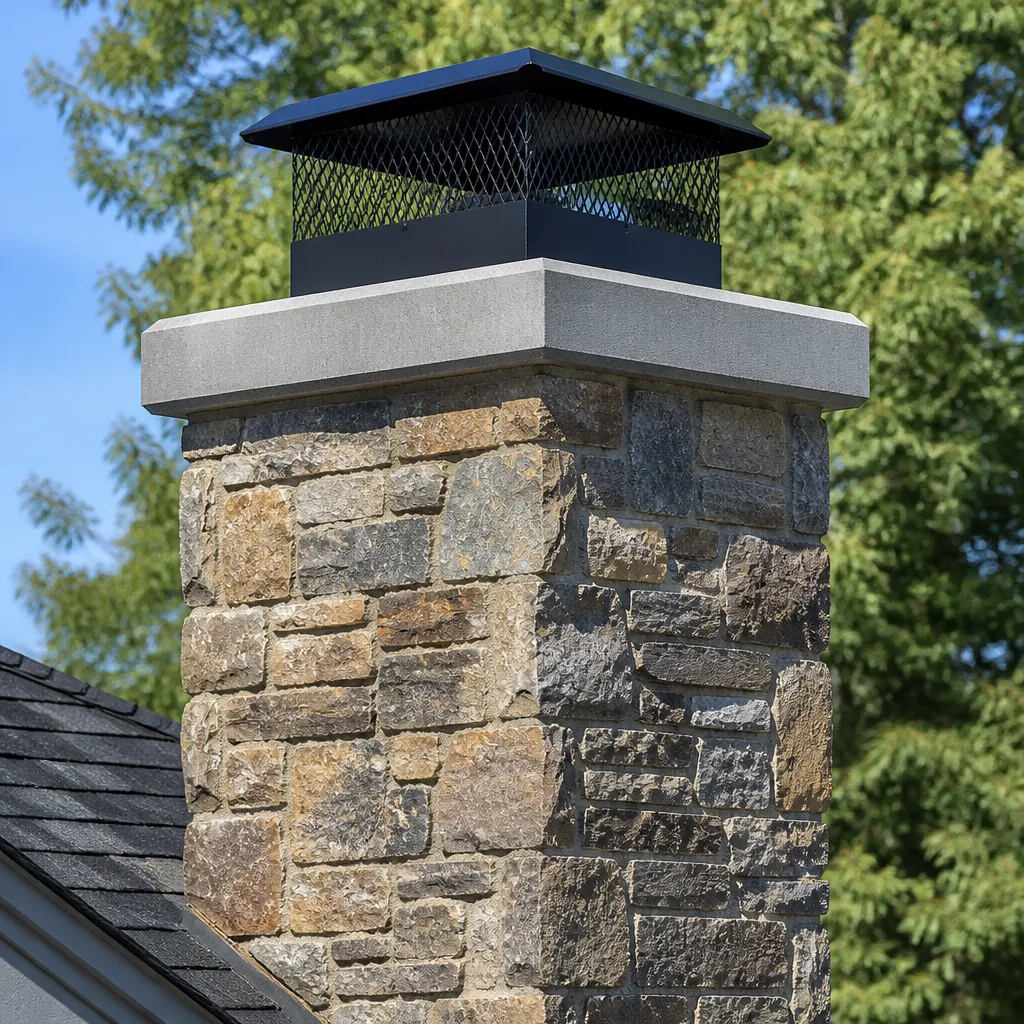 Caps & crowns
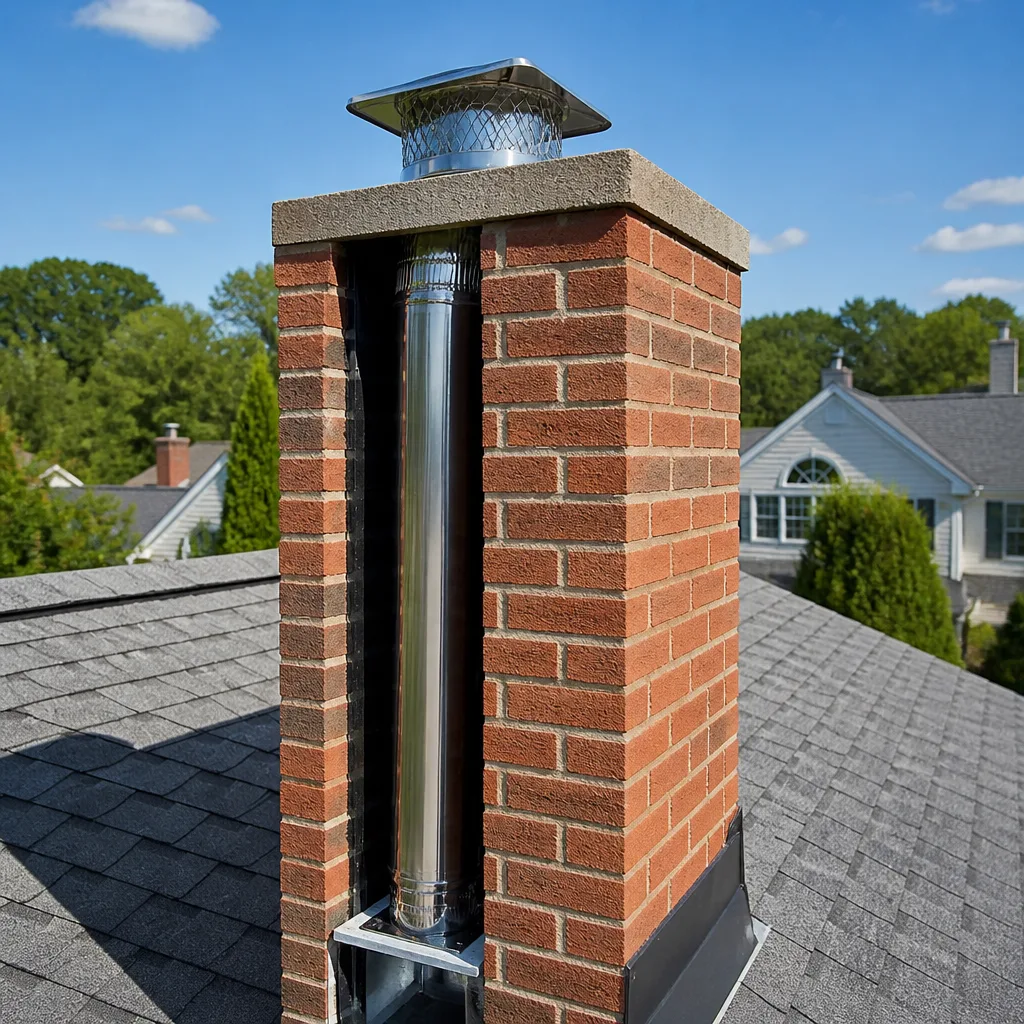 Flue relining
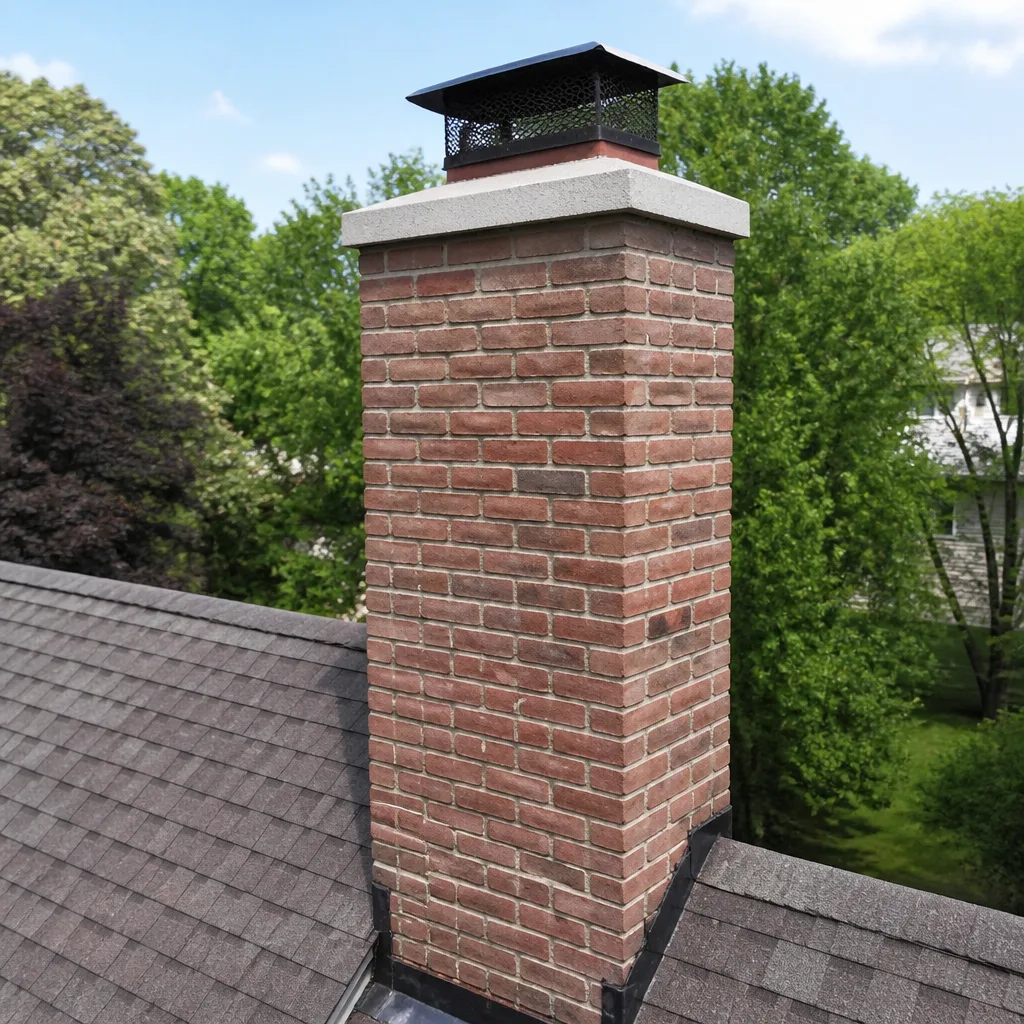 Masonry repair
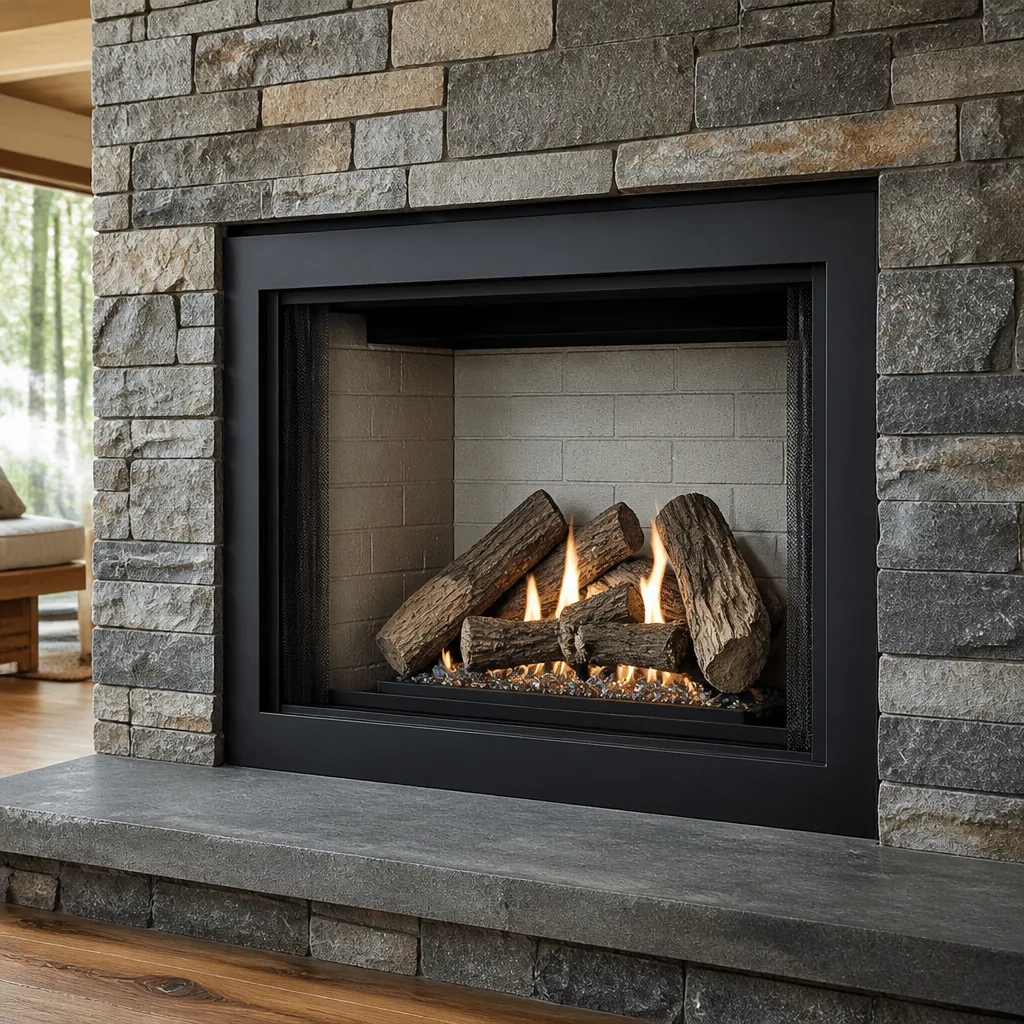 Gas fireplace service
Level 1 sweep and inspection to the NFPA 211 annual standard - flue, crown, cap, and flashing checked and photographed
Chimney sweep logs do not sweep chimneys. They loosen some creosote - which then falls where a brush and vacuum still have to collect it.
Chimney Sweep Maintenance Schedule: What to Do and When
The “sweep it once a year” rule traces back to NFPA 211, and it’s a solid floor. But a floor is not a ceiling. Burn wood three nights a week through a Charleston winter and a strictly annual sweep can leave you with a heavily loaded flue well before spring. The truth is that your chimney isn’t one system on one clock. The flue, the cap, the crown, the damper, and the firebox all wear on different timelines, and they need different attention at different points in the year. This guide lays out a component-by-component maintenance calendar, shows you how fuel type and burn frequency change the schedule, and gives you the early warning signs that mean you shouldn’t wait for your next scheduled visit.
Quick Answer
Most Charleston homes with an actively used wood fireplace need a professional sweep and inspection once a year, ideally in late summer or early fall before the burning season begins. Heavy users, homes burning unseasoned wood, and older chimneys with clay tile liners may need more frequent cleaning. Cap and crown checks belong on an annual cycle too, while damper and firebox checks are worth doing every season you burn. The right schedule for your chimney depends on fuel type, how often you burn, and the age of its components.
Styles & brands we work with
- Sweep & inspection
- Caps & crowns
- Flue relining
- Masonry repair
- Gas fireplace service
Table of Contents
- Why the Annual Sweep Is a Minimum, Not a Maximum
- The Component-by-Component Maintenance Calendar
- How Fuel Type Changes Your Sweep Frequency
- Fall vs. Spring: What Each Seasonal Check Should Look For
- Early Warning Signs You Shouldn’t Wait to Address
- How to Keep a Chimney Log That Helps You Later
- Common Mistakes to Avoid
- When to Call a Professional
Why the Annual Sweep Is a Minimum, Not a Maximum
NFPA 211, the standard that governs chimneys and vents, sets the baseline: chimneys should be inspected annually and cleaned as needed. That language matters. It says cleaned as needed, not cleaned on a fixed calendar. A household that lights a fire a dozen times a season can often go a full year between cleanings. A household that burns hardwood four or five nights a week through the cold months is a different story entirely.
In our experience across Charleston, the biggest schedule error we see is homeowners treating the annual sweep as a complete maintenance plan. It cleans the flue, which is the most visible part of the job. It doesn’t necessarily catch a crown that’s starting to crack, a cap screen that’s torn and letting birds in, or a damper that no longer seals. Each of those components fails on its own schedule, and each has its own consequence when it does.
Think of it this way: the sweep is the starting point, not the finish line. A clean flue is essential, but a clean flue connected to a failing crown still lets water into the structure. A clean flue behind a stuck-open damper still sends your heated air up the stack all winter. The maintenance schedule that actually protects your chimney addresses every component individually.
That’s why we handle the full chimney system, from the sweep to the crown. When an inspection turns up something beyond cleaning, there’s no handoff, no second contractor, no gap between the crew that found the problem and the crew that fixes it. For a Charleston homeowner building a maintenance calendar, that single-source approach makes the schedule easier to actually follow.
The Component-by-Component Maintenance Calendar
Different parts of your chimney degrade at very different rates. Here’s the timeline we recommend for each component, along with what each check is actually looking for.
The Flue
Interval: annually for most homes, more often for heavy users. The flue is the interior passage that carries smoke and combustion gases out of the house. Creosote, the tar-like byproduct of wood burning, accumulates on the flue walls and is the fuel for most chimney fires. A professional sweep removes it with proper brushes sized to your flue. For most Charleston homes burning recreationally, once a year before the season is right. For homes burning most nights of the week, twice a season isn’t unusual.
The Chimney Cap
Interval: inspect annually, replace as needed. The cap sits on top of the chimney and keeps rain, animals, and debris out. A torn screen or a cap that’s come loose defeats the whole purpose. Have the cap inspected at the same time as your annual sweep; replacement is straightforward when the cap has failed, and cheaper than repairing the water damage it allows in.
The Crown
Interval: inspect annually, reseal or repair every few years as needed. The crown is the concrete or masonry surface at the very top of the chimney. It slopes to shed water away from the flue. Small hairline cracks are common and can often be sealed. Larger cracks let water into the masonry, which is the leading cause of chimney deterioration. This is exactly the kind of problem that gets missed when a company only does the sweep and leaves. Crown inspection and repair are part of our chimney cap & crown work for that reason.
The Damper
Interval: check at the start of every burning season. The damper is the metal door above the firebox that seals the flue when the fireplace isn’t in use. It should open and close smoothly and seal reasonably well when closed. A damper that’s rusted open is an energy problem; one that’s stuck shut is a safety problem. This is a quick check you can do yourself each fall, and worth having a professional look at if anything feels wrong.
The Firebox
Interval: inspect annually, repair as needed. The firebox is the masonry chamber where the fire actually burns. Heat, moisture, and time cause the brick and mortar to crack and spall. Small mortar repairs are routine. Larger cracks in the firebox can let heat reach surrounding framing, which is a real hazard. Firebox condition is part of every inspection we do, and fireplace repair addresses what turns up.
How Fuel Type Changes Your Sweep Frequency
The single biggest variable in your chimney’s maintenance schedule is what you burn and how often. Two Charleston homes with identical chimneys can need very different cleaning intervals based purely on fuel.
- Seasoned hardwood: The gold standard. Dry wood burns hot and clean, producing relatively little creosote. A household burning seasoned hardwood a few times a week can typically stay on an annual sweep schedule.
- Unseasoned or “green” wood: Wet wood burns cool and smoky, which produces far more creosote per cord. If you’re burning wood that hasn’t dried properly, plan on more frequent inspections and cleanings.
- Softwood: Burns faster and hotter but produces more creosote than hardwood. Not a problem in itself, but it shortens the interval slightly.
- Wood pellets: Pellet stoves and inserts burn very efficiently and produce minimal creosote, but the flue still needs annual inspection and cleaning of ash and fly ash. The appliance itself may also need service per its manufacturer’s instructions.
- Gas: Gas fireplaces produce no creosote, but they do produce moisture and mild acidity that can degrade the flue over time. Annual inspection still matters, even though there’s nothing to sweep in the traditional sense.
One more variable worth knowing: how hot you burn. A hot, well-oxygenated fire produces less creosote than a smoldering one. If you tend to load the firebox and let it smolder overnight, you’re creating more creosote than the same amount of wood burned hot and fast. Many homeowners choose the smolder approach for longer heat output, and it’s a legitimate trade-off, but it should shorten your cleaning interval accordingly.
Fall vs. Spring: What Each Seasonal Check Should Look For
“Get it cleaned before winter” is the standard advice, and it’s good advice. But what an inspection should actually look for depends on the season.
What a Fall Inspection Should Find
The fall inspection is about readiness. Before the first fire of the season, you want to know the system is safe to use. A proper fall inspection covers:
- Creosote buildup in the flue, and a sweep if it’s at a level that warrants one.
- Cap and crown condition, since summer storms and heat cycles are the usual cause of new cracks.
- Damper operation, since a damper that sat closed all summer may be stiff or seized.
- Firebox condition, looking for new cracks or loose mortar from the off-season.
- Any signs of animal nesting, which happens more often when a chimney sits unused for months.
What a Spring Inspection Should Find
The spring inspection is about damage. The winter is when your chimney works hardest, and the spring is when you want to catch the consequences before they get worse through the wetter months. A spring check should look for:
- New cracks in the crown or masonry from freeze-thaw cycling over the winter.
- Water staining or efflorescence on the exterior, which suggests water is getting in somewhere.
- Deterioration in the firebox or damper from a season of heavy use.
- Whether the flue needs a cleaning before the off-season, which is worth doing if the buildup is significant.
Some Charleston homeowners do both; some do one thorough inspection a year and a quick self-check on the other end. Either approach works. The point is to not let the annual sweep become the only time anyone looks at the system.
Early Warning Signs You Shouldn’t Wait to Address
Between scheduled visits, there are concrete signs that mean you should call rather than wait for the next appointment. None of these are guaranteed indicators of a serious problem, but each is worth investigating.
- Strong or unusual odors from the fireplace: A smoky smell when the fireplace isn’t in use often points to a downdraft or a blockage. A sharp, acrid smell can indicate creosote. Neither should be ignored.
- Visible smoke in the room: A fireplace that smokes into the room rather than up the flue usually has an obstruction, a damper problem, or a draft issue. Smoke in the room is a signal, not a quirk.
- Creosote flakes or soot on the hearth or roof: Visible buildup outside the firebox suggests significant accumulation inside the flue.
- Water in the firebox or staining on the chimney exterior: This usually points to a cap or crown failure. Water intrusion is the leading cause of chimney deterioration, so it’s worth addressing promptly.
- Cracks in the firebox masonry: Even small cracks are worth a professional look, since heat can travel through them.
- A damper that won’t open or close properly: A stuck-open damper wastes heat; a stuck-shut damper makes the fireplace unusable and can present a safety concern if someone builds a fire anyway.
- Birds or animals around the chimney: A missing or damaged cap is the common cause. Animals in the flue are a blockage risk.
- Any carbon monoxide alarm activation: If your CO alarm sounds and you have a wood-burning appliance, treat it as urgent, get everyone out, and call for help. This is not a wait-and-see situation.
If any of these show up between visits, call. Waiting for the next scheduled appointment isn’t the move.
How to Keep a Chimney Log That Helps You Later
A simple chimney log pays off in three ways: it helps your sweep work faster, it helps you spot trends, and it can document condition for insurance or a future home sale. None of this is complicated. A notebook and a pen in a kitchen drawer will do.
What to Record After Each Service Visit
- The date of the visit and who came out.
- What was done: swept, inspected, repaired, or some combination.
- What was found: creosote level, any cracks or defects, the condition of the cap and crown.
- What was recommended, and what was declined, and why.
- Any photos taken during the inspection.
What to Record Between Visits
- The estimated number of fires you’ve had since the last sweep, even roughly.
- What kind of wood you’ve been burning, and whether it was seasoned.
- Any signs you noticed that matched the warning list above.
- Any changes to the appliance, such as a new insert or a different fuel source.
Why This Matters
For a Charleston homeowner, a chimney log is worth more than it sounds. If you sell the house, a documented maintenance record is a point in your favor with a buyer’s inspector. If you ever have a claim on your homeowner’s policy related to the chimney, records of regular servicing strengthen your position. And if you’ve been burning more than you realized, the log makes that obvious before it becomes a problem.
It also just makes your next visit faster. When the technician can see what was found and done last time, the inspection starts from a known state rather than from scratch.
Common Mistakes to Avoid
- Treating the annual sweep as the whole plan. The sweep cleans the flue, but it doesn’t check the crown, cap, damper, and firebox on their own schedules. A chimney that’s been swept but never inspected isn’t fully maintained.
- Burning unseasoned wood because it’s what’s available. Wet wood produces significantly more creosote. In Charleston, where wood availability varies by season, it’s tempting to burn what’s on hand, but the maintenance cost catches up with you.
- Waiting for a problem to become obvious. By the time water is visibly staining the chimney exterior or smoke is rolling into the room, the issue has usually been developing for a while. The whole point of the schedule is to catch these earlier.
- Skipping the spring inspection because the season is over. The spring is the best time to catch freeze-thaw damage from the winter, and the cheapest time to fix small problems before they grow through the wetter months.
- Assuming a gas fireplace needs no maintenance. Gas fireplaces produce no creosote, but the flue still needs inspection, and gas appliances can develop issues that develop silently. They stay on the annual schedule.
- Letting a cap failure go unaddressed. A small cap repair today is far cheaper than the water damage it allows in over a couple of seasons. Water intrusion is the leading cause of chimney deterioration, and the cap is the first line of defense.
- Not keeping any records. A missing maintenance log makes it impossible to spot trends and can complicate a future home sale or insurance claim.
When to Call a Professional
Some chimney maintenance is straightforward for a homeowner: checking a damper, noting the number of fires, keeping the log. Other things warrant a professional visit. Call when:
- It’s time for your annual sweep or inspection.
- You’ve noticed any of the warning signs above.
- Your cap or crown looks cracked, damaged, or missing.
- You’re seeing water or staining on the chimney exterior or in the firebox.
- You’re burning heavily enough that the annual interval may not be enough.
- Your carbon monoxide alarm has sounded and you have a wood-burning appliance.
At Charleston Chimney Sweep Pros, we handle the full chimney system: sweep, inspection, fireplace repair, chimney repair, and cap & crown installation. If your inspection turns up a liner that needs restoring, we use HeatShield, which can resurface a deteriorated flue without a full liner replacement in many cases. For older or offset flues that rigid liners can’t navigate, we install DuraFlex flexible stainless liners. When a full reline is the answer, we work with brands like Olympia Chimney and Gelco. The inspection, cleaning, and repair all happen with one team, which means no gap between the crew that finds the issue and the crew that fixes it. Call chimney sweep scheduling or any of our other services at (833) 509-4937 for a free estimate. We answer 24/7, and we dispatch from 7am to 7pm, Sunday through Friday, with fast dispatch from 7am to 7pm. Closed Saturday.
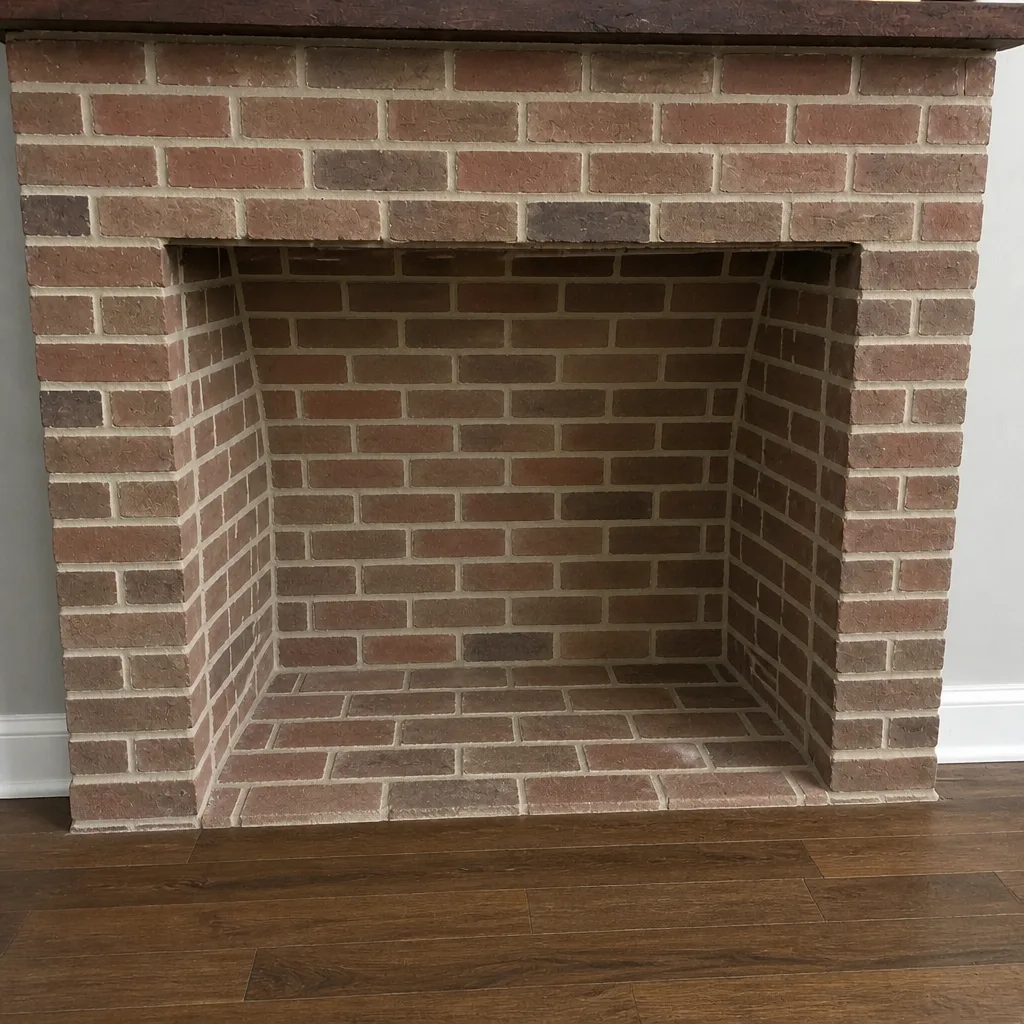
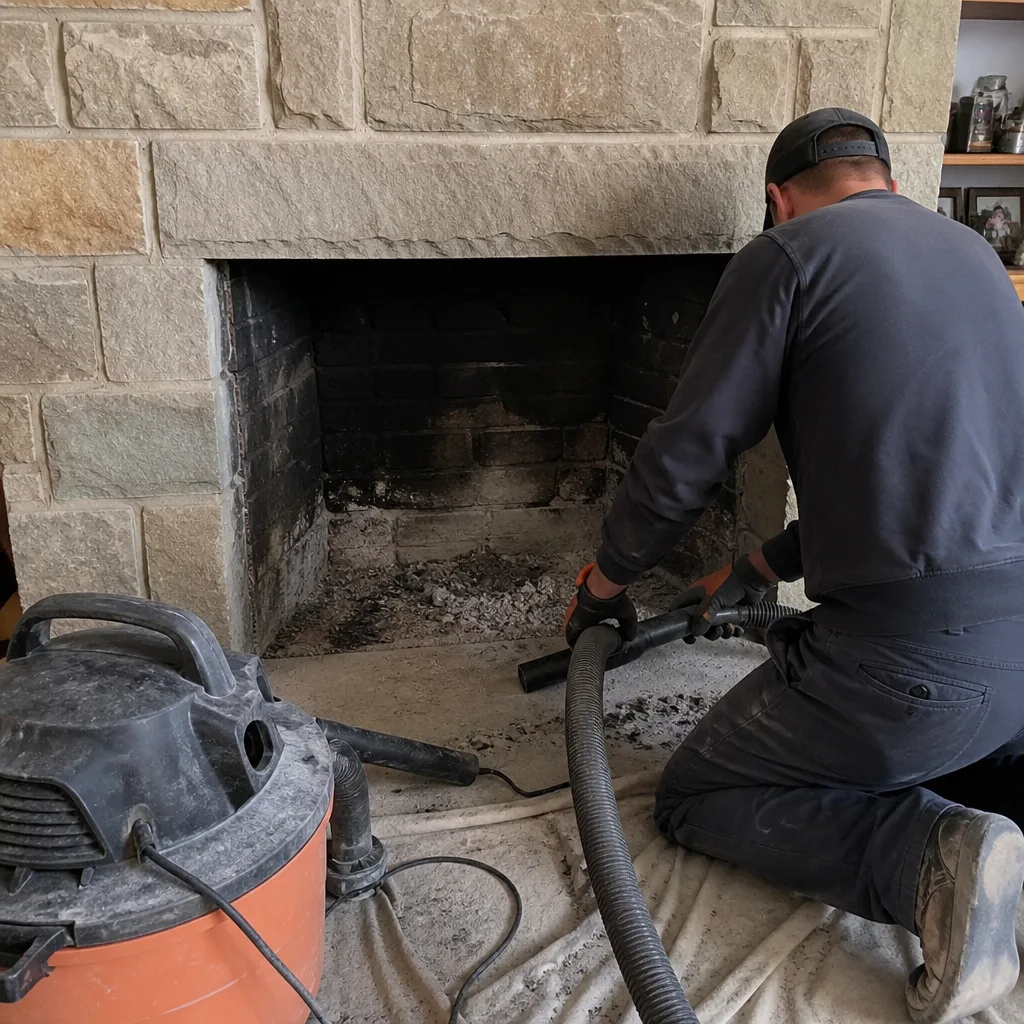
See the difference
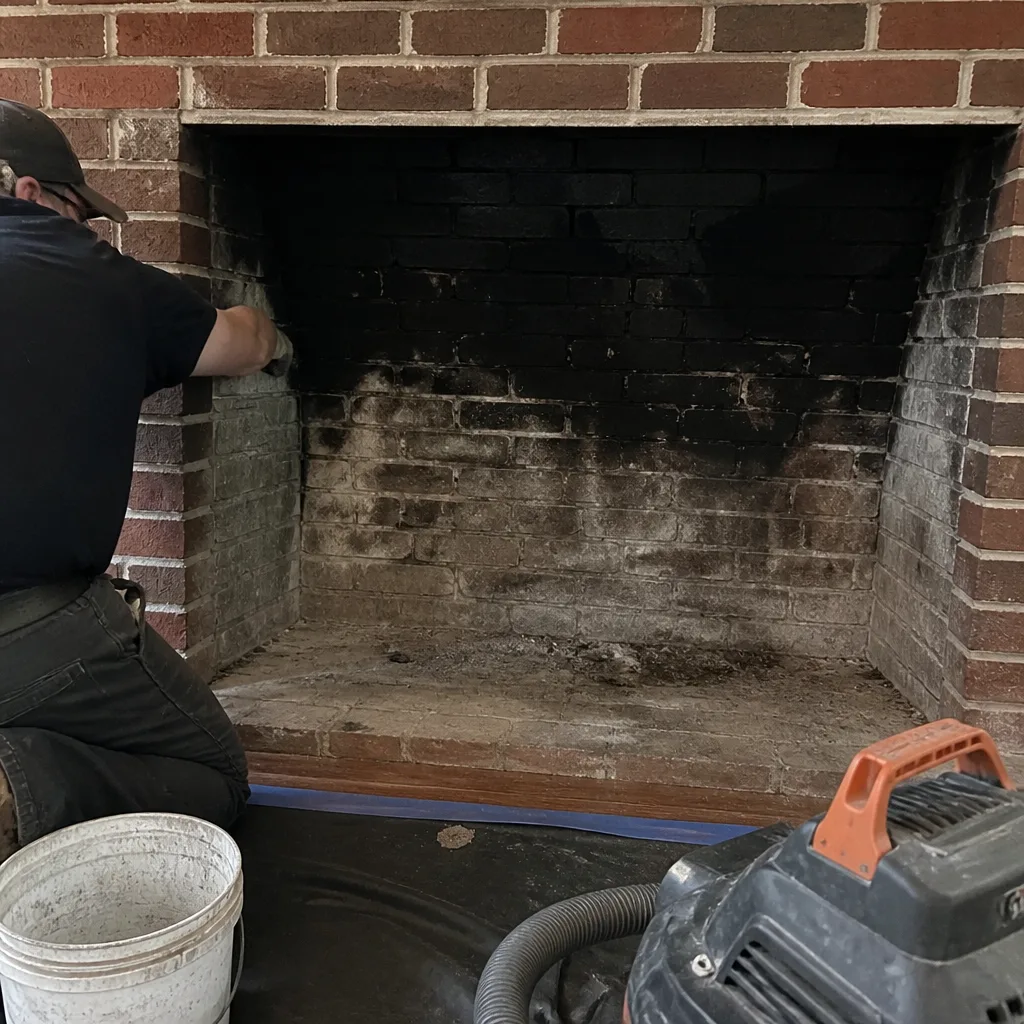 Before
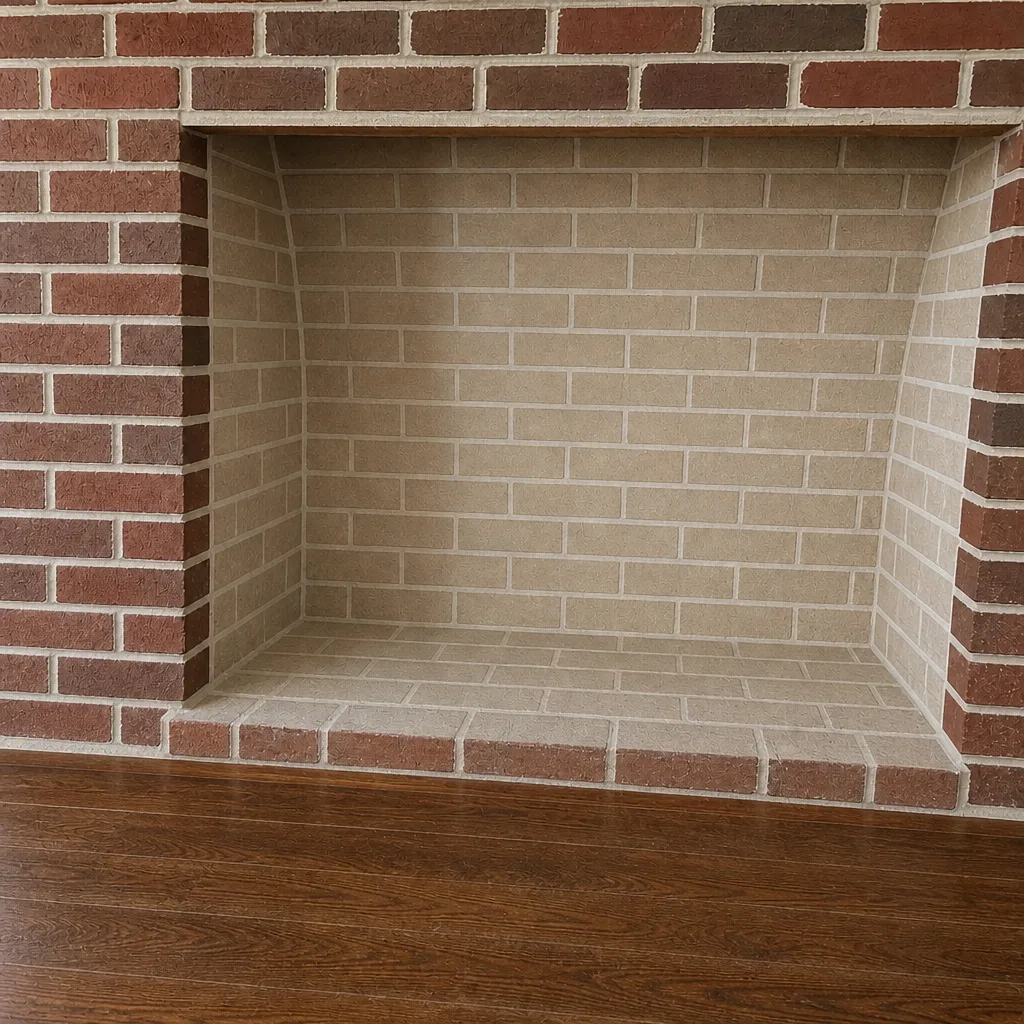 After
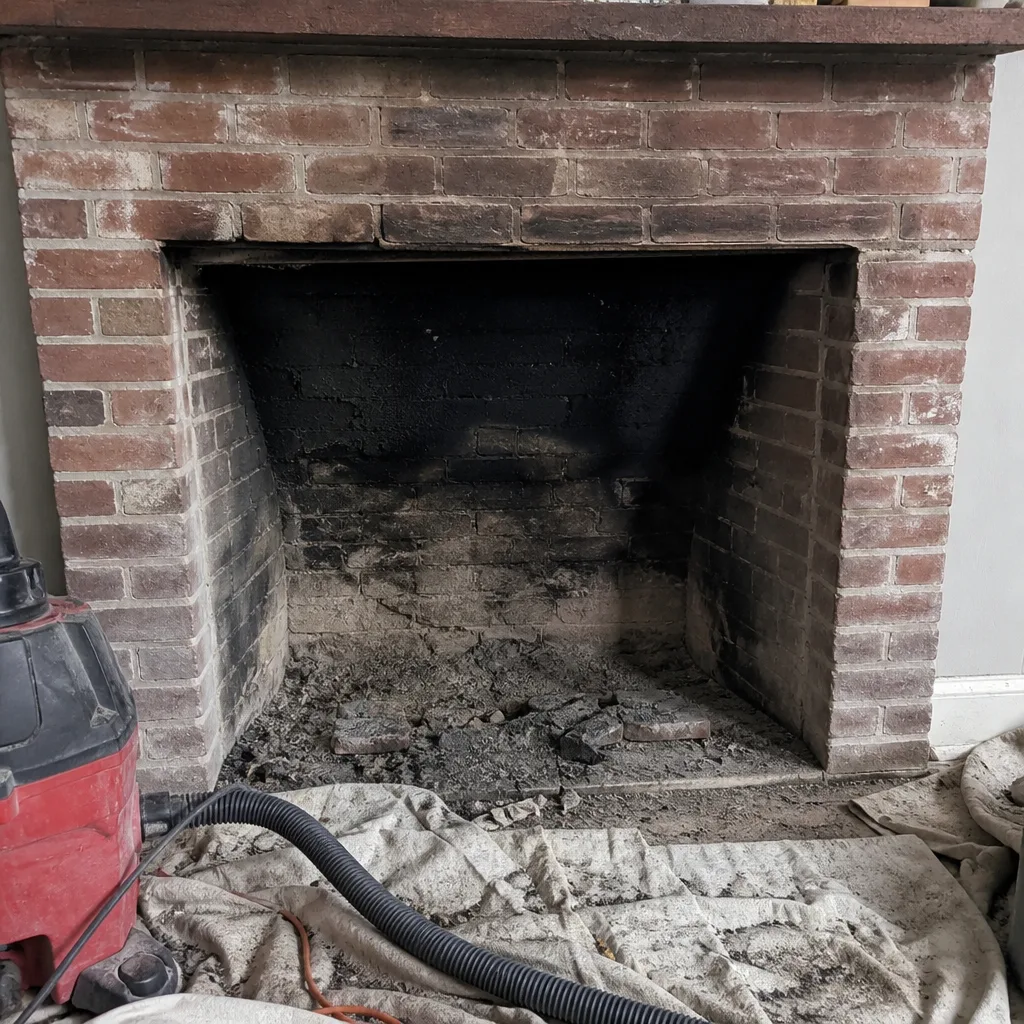 Before
 After
 Before
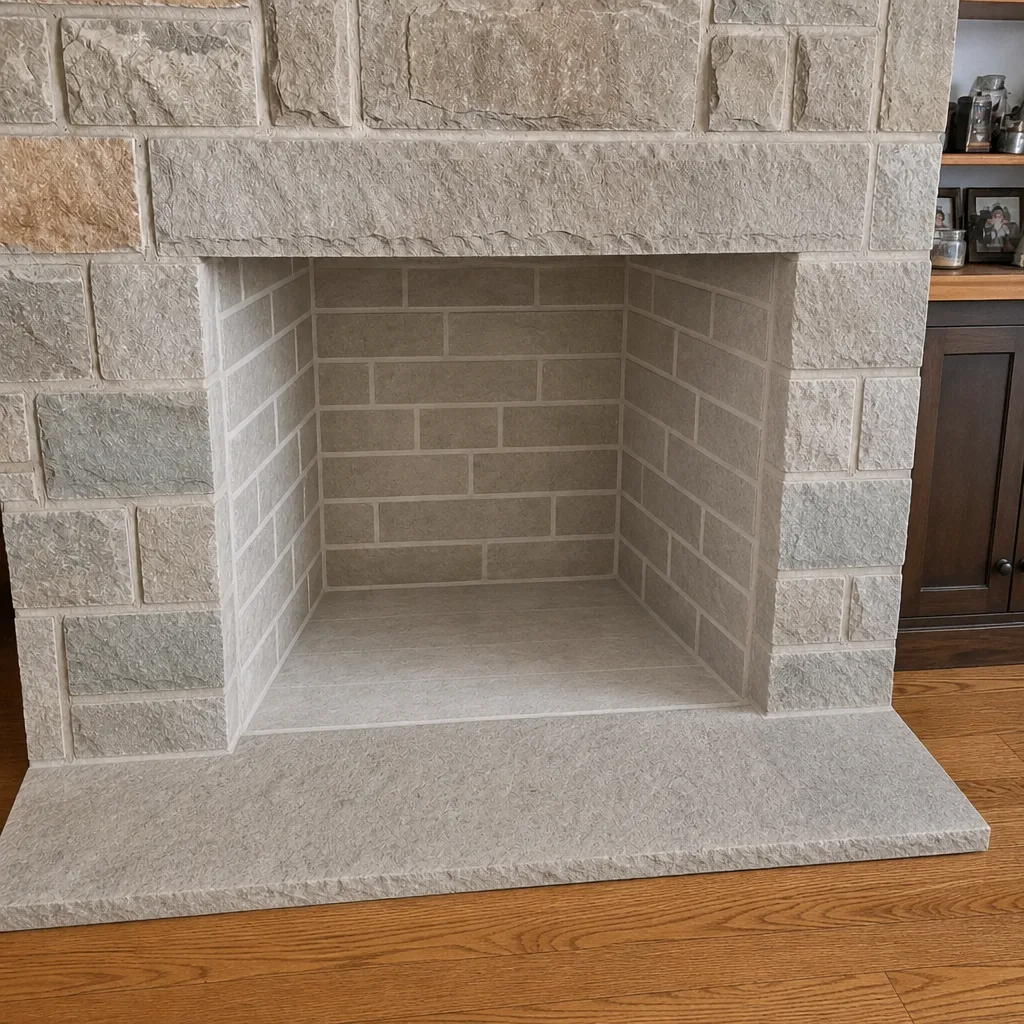 After
Frequently Asked Questions
Once a year is the standard baseline, and it’s the right schedule for most Charleston homes with a wood-burning fireplace used recreationally. Heavy users, homes burning unseasoned wood, and older chimneys with clay tile liners may need more frequent cleaning, sometimes twice a season. The right answer for your chimney is determined at inspection. Call (833) 509-4937 for a free estimate.
Not always. A liner is needed when the existing flue is cracked, deteriorated, or otherwise no longer safe to vent the appliance. But HeatShield resurfacing can restore a deteriorated flue without full liner replacement in many cases, which is a cost-saving option worth asking about. The determination should always come from an inspection with evidence you can see. Call (833) 509-4937 for a free estimate.
The most serious risk is a chimney fire, which happens when enough creosote accumulates in the flue to ignite. Less dramatic but common: water intrusion through a failed cap or crown, which is the leading cause of chimney deterioration and can lead to expensive masonry repair. Carbon monoxide risk also rises when a flue is obstructed. Call (833) 509-4937 for a free estimate.
Yes. Gas fireplaces produce no creosote, but the flue still needs annual inspection, and gas appliances can develop issues that aren’t visible. Pellet and gas systems each have their own maintenance needs even though the creosote risk is far lower than with wood. Call (833) 509-4937 for a free estimate.
Both have value. Fall is about readiness for the burning season; spring is about catching winter damage. If you do one thorough inspection a year, fall is the safer default because it confirms the system is safe to use before you start burning. If you can do both, you’ll catch more. Call (833) 509-4937 for a free estimate.
Look for visible cracks in the crown, a loose or missing cap, torn screen, or water staining on the chimney exterior. Small crown cracks can often be sealed; larger ones, or a failed cap, need professional repair. Water intrusion is the leading cause of chimney deterioration, so it’s worth addressing. Call (833) 509-4937 for a free estimate.
The Bottom Line
The annual sweep is a good floor, not a full plan. Build a component-by-component calendar: flue cleaned and inspected annually (more often for heavy users), cap and crown checked every year, damper and firebox checked at the start of the burning season. Adjust your frequency based on what you burn and how often. Use a fall inspection for readiness and a spring one for damage. Watch for the warning signs between visits, and keep a simple log to document the work. If anything turns up, chimney sweep and repair from a single team means the problem gets addressed in one visit, not two.
Get a Free Estimate
If you’re ready to put your chimney on a real maintenance schedule in Charleston, we’d be glad to help. Charleston Chimney Sweep Pros handles sweep, inspection, fireplace repair, chimney repair, and cap & crown installation, with the liner and crown materials that match your system. Call (833) 509-4937 for a free estimate. We answer 24/7. Fast dispatch from 7am to 7pm, Sunday through Friday. Closed Saturday.
Written by the team at Charleston Chimney Sweep Pros.