
Last updated November 24, 2026
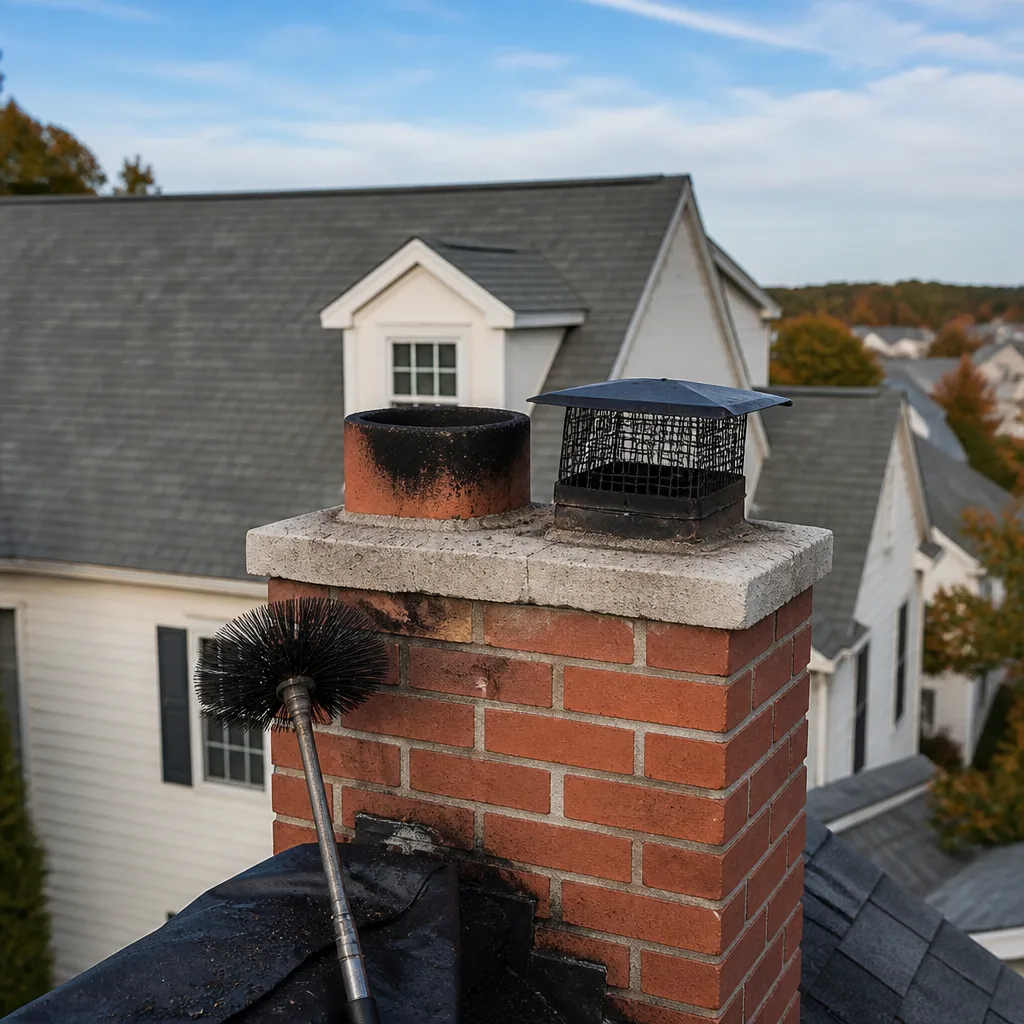 Sweep & inspection
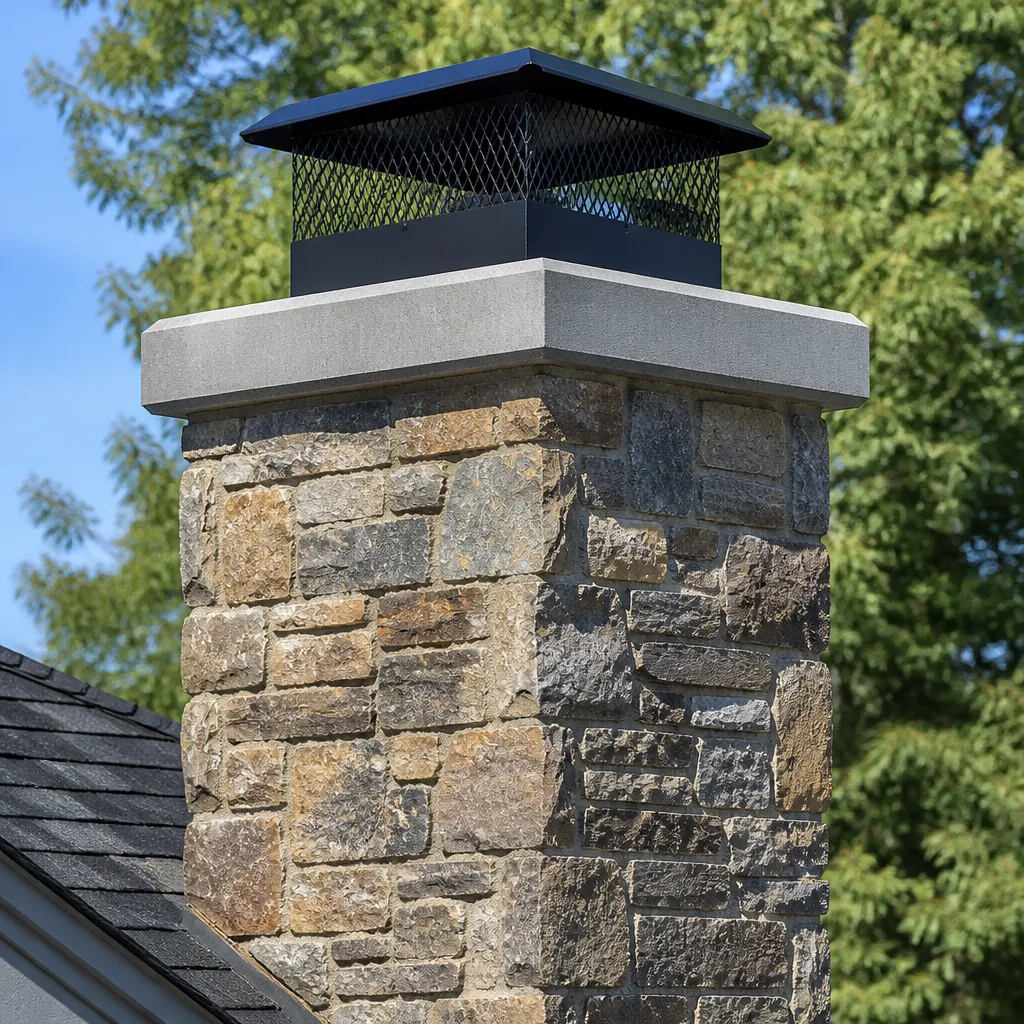 Caps & crowns
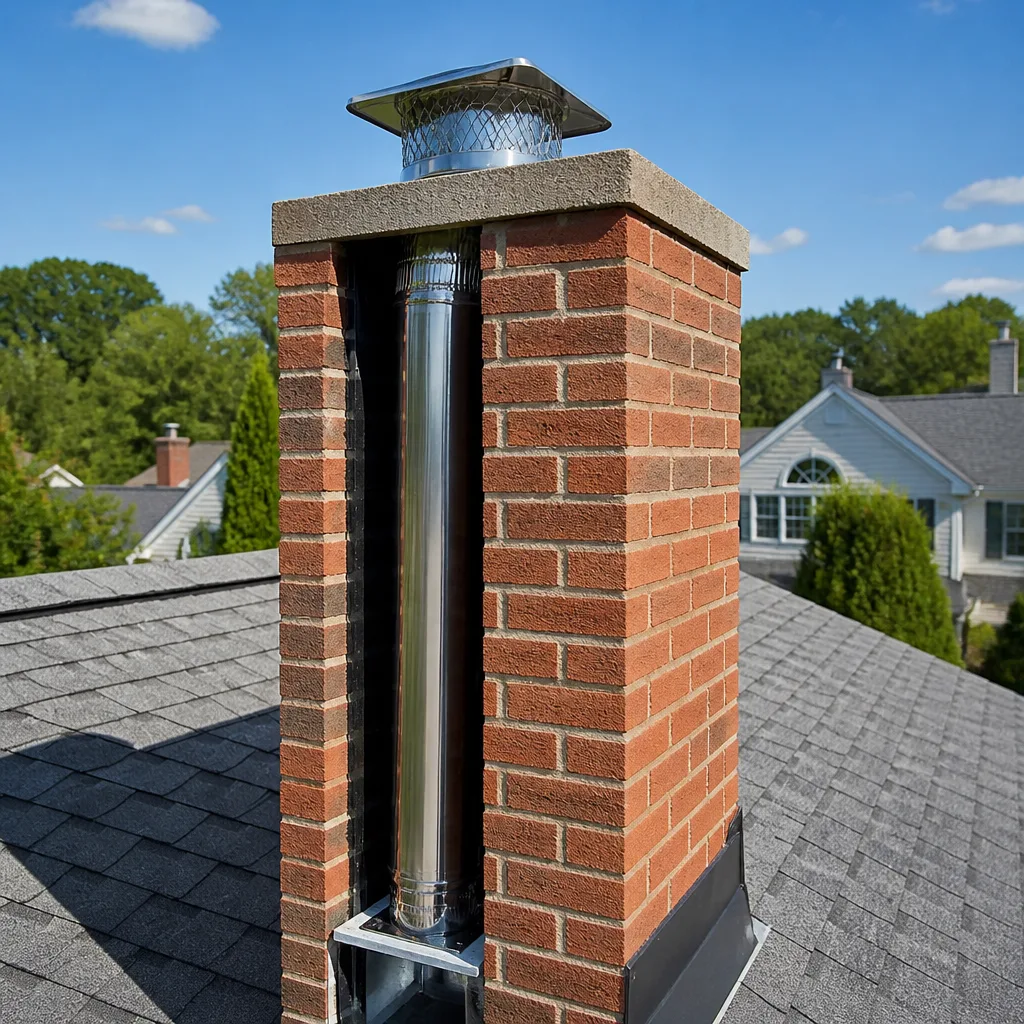 Flue relining
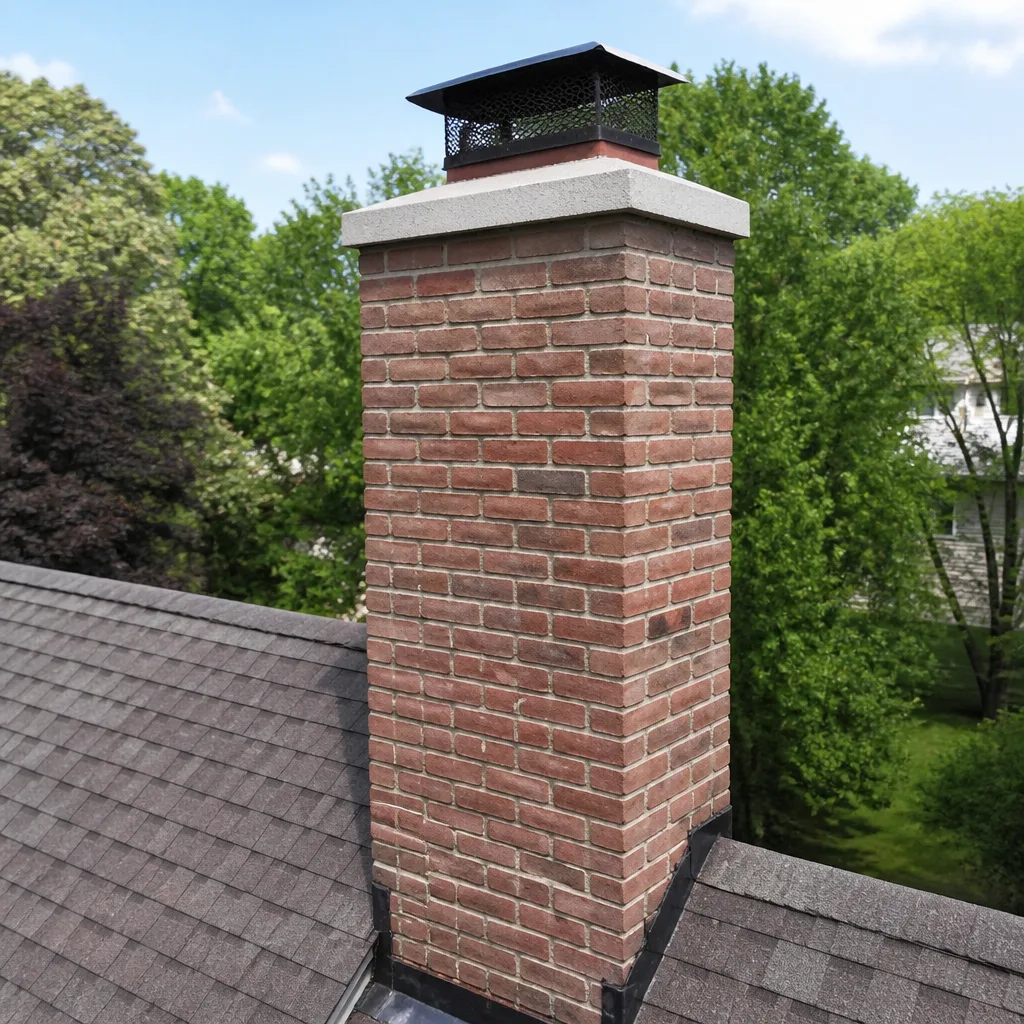 Masonry repair
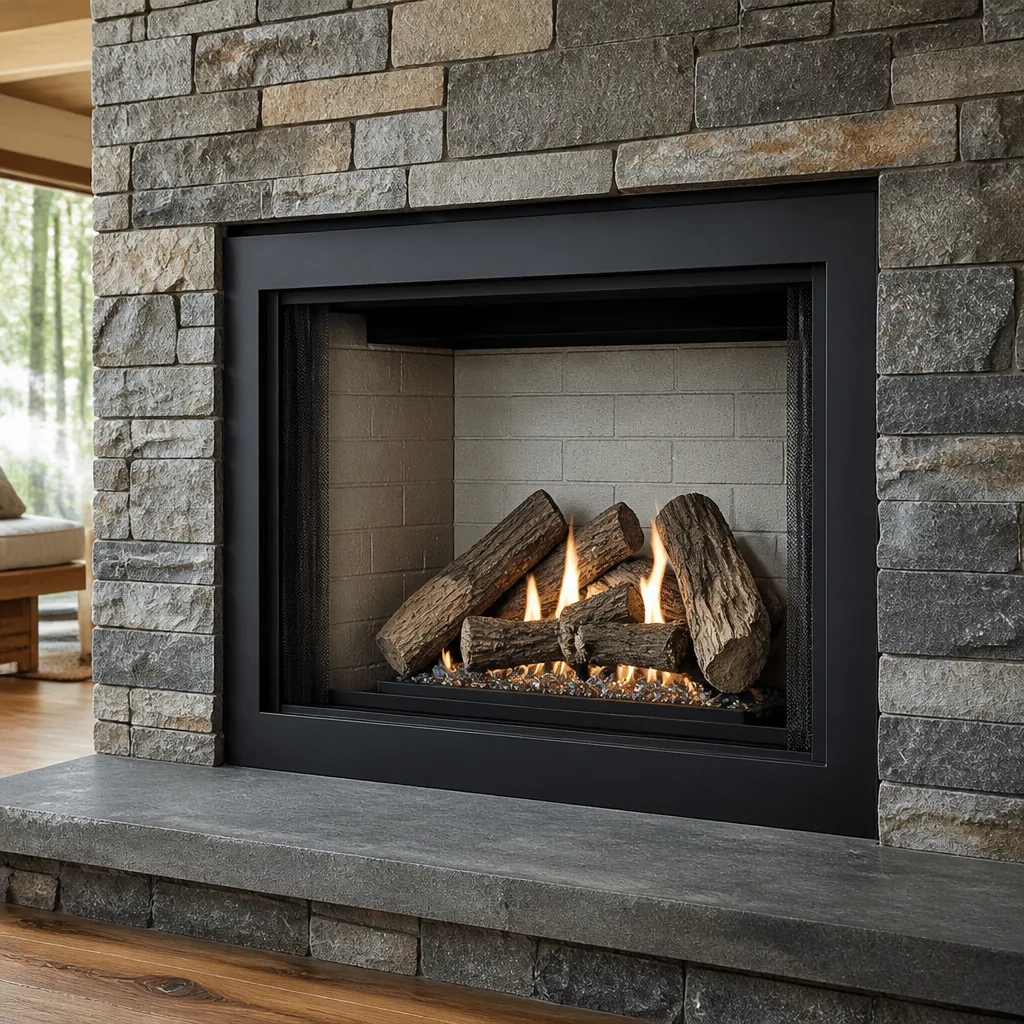 Gas fireplace service
Level 1 sweep and inspection to the NFPA 211 annual standard - flue, crown, cap, and flashing checked and photographed
Chimney sweep logs do not sweep chimneys. They loosen some creosote - which then falls where a brush and vacuum still have to collect it.
Choosing the Right Chimney Cleaning Brand: A Buyer’s Guide for Charleston
Ask three chimney contractors what kind of liner they’ll install and you’ll likely get three different answers. One names a flexible stainless system and explains why it fits your flue. Another says “we use quality products” and moves on. That gap matters more than most homeowners realize, because a flexible liner from a recognized manufacturer and an imported off-brand are not the same product in any way that counts. The difference shows up in how the liner handles heat cycling, whether the manufacturer stands behind it in writing, and how it’s still performing after several heating seasons of use. In a place like Charleston, where winters swing from mild stretches to hard freeze, that margin gets tested. This guide walks through the product categories where brand choice actually changes outcomes, the names worth knowing, and how to ask about materials without feeling like you’re cross-examining anyone.
Quick Answer
The right chimney cleaning brand depends on the material category: flexible stainless liners (DuraFlex, Gelco, and similar professional-grade systems), crown repair compounds (HeatShield for resurfacing, plus dedicated crown coatings), chimney caps, creosote removal treatments, and masonry waterproofing sealants. A contractor worth hiring can name the products they use, explain why they picked them for your flue, and show you the manufacturer’s specs. Vague answers about “quality materials” tell you the contractor either doesn’t know their supply chain or would rather you didn’t ask.
Styles & brands we work with
- Sweep & inspection
- Caps & crowns
- Flue relining
- Masonry repair
- Gas fireplace service
Table of Contents
- Why Brand Choice Actually Matters
- The Five Product Categories That Matter Most
- Single-Wall, Double-Wall, and Insulated Liners: Which Fits Your Flue
- Industry-Recognized Brands by Category
- How Charleston’s Climate Affects Product Selection
- How to Ask a Contractor About Materials
- Red Flags in Material Conversations
- Common Mistakes to Avoid
- When to Call a Professional
Why Brand Choice Actually Matters
A chimney liner, a cap, and a crown all do the same basic job they did a hundred years ago. So why does the brand on the box matter? Because the materials have changed, and the way modern products are tested, rated, and warranted is specific. A flexible stainless liner from a manufacturer like DuraFlex carries a defined alloy specification, wall thickness, and temperature rating. An unbranded import may look similar coiled in the back of a truck and behave very differently once it’s hot.
Here’s what brand choice actually influences:
- Performance under heat cycling. Liners expand and contract with every fire. A liner that was engineered for that cycling holds its shape and seals. One that wasn’t starts to warp or develop pinholes.
- Warranty enforceability. A written manufacturer warranty is only worth something if the manufacturer is still around and will honor it. Recognized brands back their products in writing because they intend to stay in business.
- Installation compatibility. Professional installations require matching components: the liner, its insulation wrap, the top plate, the appliance connector. When all of those come from the same engineered system, the parts fit and the assembly is approved as installed.
- Code compliance. Local code looks to listed, labeled products. An off-brand system with no listing mark can complicate an inspection even if it functions.
None of this means the most expensive product is always right. It means the contractor should be able to say which liner they’re using, why they chose it for your flue configuration, and what the manufacturer specifies. That’s the baseline for a professional conversation about your chimney in Charleston.
The Five Product Categories That Matter Most
Most homeowners assume “chimney products” means one thing. In practice, the work divides into five categories, and brand choice carries real weight in each. Here’s how each one affects you.
1. Flexible liner systems
The liner is the interior passage of your chimney system. When a chimney is relined, a flexible stainless liner is typically inserted down the flue and connected to the appliance. Brand matters because liner material, wall thickness, and joint construction determine durability. A properly installed liner from a known manufacturer can serve a clay flue that has cracked or spalled; a cheap liner may fail early and cost you the full job twice.
2. Crown repair and resurfacing compounds
The crown is the concrete cap at the top of the masonry chimney, and it’s the part that takes the most direct water exposure. Cracked crowns let water into the brick, which is the leading cause of chimney deterioration. Repair compounds matter here because they need to bond to existing masonry, flex slightly with temperature, and shed water. A masonry coating that’s just painted on won’t hold up the way a purpose-made crown repair product will. HeatShield, a resurfacing system we use, addresses a related problem inside the flue: it restores a damaged clay liner without a full liner replacement in approved applications.
3. Chimney caps
A cap keeps rain, snow, birds, and debris out of the flue while letting smoke escape. Every cap is not equal. Stainless caps hold up far better than galvanized, and a properly fitted cap needs to sit correctly on the crown without trapping moisture. Cap-and-crown work is where a lot of premature chimney damage gets stopped. You can read more about that in our chimney cap & crown section.
4. Creosote removal agents
Creosote is the tar-like residue of wood smoke, and it accumulates in three recognizable forms: light soot, flaky crust, and glazed, hardened deposits. Mechanical sweeping removes the first two. The third form, glazed creosote, is much harder to remove and can’t be dislodged with a brush alone. Chemical treatment products are used as part of the removal process on hardened deposits. A professional knows the difference and uses the right tool for the stage of buildup present.
5. Waterproofing sealants
Masonry is porous. Brick and mortar absorb water and release it slowly. A breathable waterproofing product applied to the exterior of a chimney can slow water intrusion without trapping moisture inside the masonry, which is crucial. The wrong sealer (a film-forming acrylic, for example) can actually make things worse by sealing water in. This is a category where brand and product type really matter, and where a generalist painter may not have the right product.
Single-Wall, Double-Wall, and Insulated Liners: Which Fits Your Flue
Not all flexible liners are built the same way. The three main types serve different applications, and the right pick depends on your appliance, your flue, and what the manufacturer specifies for the situation. Here’s the short version.
Single-wall flexible liner
This is one layer of stainless steel, usually corrugated for flexibility. It’s the simplest and least expensive option. It works in applications where insulation isn’t required and where the flue condition allows a straightforward installation. Single-wall liners are common for wood-burning appliances in masonry chimneys where the existing clearances are adequate.
Double-wall flexible liner
Two layers of stainless, either continuous or with an air gap between them, improve strength and offer some thermal protection. Double-wall liners are often specified where the flue is larger than the appliance flue collar or where the installation needs more rigidity. They last longer in harsher conditions and hold up better to the heat cycles of regular use.
Insulated liner systems
The liner is wrapped in insulation (usually a foil-faced ceramic blanket) before it’s installed. Insulation does three things: it keeps flue gases hot for a cleaner burn and less creosote, it protects adjacent combustible framing by reducing heat transfer, and it reduces condensation inside the liner. Insulated systems are frequently required when a high-efficiency appliance is installed in an older flue, or when the flue runs through unheated space. In Charleston’s mixed climate, where exterior chimneys see real temperature swings, insulation helps stabilize performance.
Which one belongs in your home is a technical call. The contractor should be looking at your appliance rating, flue size, and the manufacturer’s listing for each liner, not making a snap judgment. Our technicians have up to 12 years of experience working with these systems and can explain the reasoning plainly when we evaluate a chimney in Charleston.
Industry-Recognized Brands by Category
Here’s the practical part: which names are worth recognizing, and what each is known for. You don’t need to memorize this list. You do want to recognize a few of them when a contractor says them out loud.
Liners and lining systems
- DuraFlex makes flexible stainless liner systems for a wide range of flue configurations, including offsets. Their systems are used widely in professional relining work.
- Gelco is another professional brand in the liner and chimney supply space, with a range of components for liner installations.
- HeatShield is a different category but closely related: it’s a resurfacing system that rebuilds the inside of a clay tile flue, restoring it without a full liner replacement in applications where the tile is still sound but the surface has failed.
Crown and masonry repair
HeatShield and similar systems are used here as well. Beyond that, contractors source crown repair compounds and resurfacing materials from brands that specialize in masonry restoration. A crown repair made with a purpose-made flexible compound holds up well against freeze-thaw cycles. A crown made with a fresh pour of standard mortar may look finished and start cracking again within a few winters, especially in Charleston where the freeze-thaw pattern can repeat several times in a single season.
Chimney caps
Cap manufacturers build stainless caps with screens, multi-flue caps, and custom-fabricated caps. The important question isn’t really the brand name. It’s the material (stainless, not galvanized) and whether the cap fits the flue and the crown properly. We work with professional-grade components, and we install a cap sized to the specific chimney, not a one-size generic unit that gets screwed on.
Creosote removal and chemical treatments
Chemical treatments are used on glazed creosote where sweeping alone isn’t enough. The products are typically applied as a treatment over time and combined with a mechanical follow-up. This is where a professional’s judgment matters most: not every situation needs chemical treatment, and some situations do. A contractor who understands the difference between flaky creosote and glazed creosote knows what job calls for what.
Waterproofing
Breathable masonry waterproofing products are the right type to look for. Recognized brands in this category make products designed for masonry, not for siding or painting. A waterproofing application only belongs on a chimney in Charleston after the masonry has been evaluated for existing damage, because sealing a cracked chimney without addressing the crack just traps the problem inside.
A specialist who works with the full range of brands, from DuraFlex to Copperfield, can specify the right component for each application. When you’re booking services, this range of familiarity is what allows a company to fully handle the chimney sweep and any resulting repair without sending you to a different contractor for materials they don’t stock or understand.
How Charleston’s Climate Affects Product Selection
Charleston gets cold winters. Not the kind that will split a chimney in a single overnight freeze, but the kind that cycles: freeze, thaw, freeze again. That cycle repeats through the winter and into the early spring, and it’s harder on masonry than a single deep cold snap. Water gets into the smallest crack or pore, freezes, expands, widens the crack, thaws, and does it again next week. The cumulative effect on a poorly sealed crown or an unprotected chimney exterior is real.
This shapes the product conversation in a few ways:
- Crown repair products have to flex. A rigid, mortar-only crown will crack as the seasons cycle. Purpose-made crown repair compounds are formulated to move slightly with the masonry instead of cracking.
- Waterproofing has to breathe. Standard paint and film-forming sealers trap moisture in the brick. Breathable masonry sealants let it escape while shedding rain and snow.
- Liner insulation has a real payoff. In a climate with unpredictable winter temperatures, an insulated liner keeps flue gases warm during mild stretches, which reduces creosote condensation, and keeps the liner stable when the temperature swings.
- Cap fit matters more. Snow and rain driving sideways in a Charleston county storm will get into a poorly-fitted cap. The cap needs to sit correctly on the crown and clear the flue.
We see chimneys in Charleston with the same pattern over and over: a crown that was patched with mortar years ago and is cracking again, an unprotected chimney exterior that’s spalling at the mortar joints, and a flue with a failed clay tile beneath it all. Products don’t solve every problem. But the right ones make the repair last, and the wrong ones delay it.
If your chimney needs work beyond a sweep, that’s where a company with full-system coverage comes in. We handle the fireplace repair as well as the flue and the exterior, so the person who identifies the problem is the same person who addresses it. For most homeowners, that continuity is worth a lot more than a cheaper bid from a company that would have to refer the harder part out.
How to Ask a Contractor About Materials
You don’t need to interrogate anyone. A few straightforward questions, asked conversationally, tell you everything you need to know about whether a contractor really works with professional-grade materials or is just saying they do.
- Ask which liner brand they use and why. A confident answer names the product and follows up with the reason it fits your flue. “We use DuraFlex for this kind of offset flue because the flexibility and wall thickness give us a good seal in a tight space” tells you the contractor has made this decision before and understands it.
- Ask if the product carries a written manufacturer warranty. If it does, the contractor should be able to tell you the basics: what it covers and what it doesn’t. If it doesn’t, ask why not.
- Ask what they’ll do if the flue needs more than a sweep. Can they perform the repair, or will they hand you a phone number for someone else? The contractor who does it all has a reason to look carefully; the one who can’t do repairs is less invested in finding them.
- Ask about the crown repair method. Is it a fresh pour of mortar, or a purpose-made repair compound? Either one can be valid, but a good contractor can explain why one is right for your specific crown.
- Ask how they handle glazed creosote. If the answer is “we just sweep it,” you know they’ve never dealt with heavy buildup. If the answer names a process, they know what they’re doing.
- Ask for the inspection report, including photos. The camera and the photos are the reason to trust the inspection findings. If a contractor won’t show you images of your chimney’s actual condition, that’s a signal. You shouldn’t have to take anyone’s word for a major repair.
None of those questions are confrontational. They’re the sort of questions any professional expects from an informed customer, and in our experience in Charleston, a good contractor appreciates them because they show you’re taking the job seriously.
Red Flags in Material Conversations
When a contractor can’t or won’t talk about materials, the answer itself is information. Watch for these signals:
- “We use quality products.” This tells you nothing. A specific name and a reason for the choice is the useful answer.
- “Brand doesn’t matter, it’s all the same.” It isn’t. Stainless alloy, wall thickness, and warranty coverage vary widely. A contractor who thinks all flexible liners are the same either hasn’t installed enough of them to know the difference or hasn’t cared enough to learn.
- “We’ll figure out the liner when we get there.” A reputable contractor sizes and specifies the liner before the job begins, based on the flue measurement and the appliance rating.
- No written documentation. If the manufacturer’s warranty isn’t provided in writing, the product may not carry one.
- The liner isn’t insulated when it should be. An insulated liner is often required for high-efficiency appliances and exterior chimneys. If the contractor says insulation “isn’t necessary” without checking the listing, that’s a flag.
We mention these because homeowners in Charleston sometimes get told that brand is a matter of taste. It isn’t. Ask the questions. A professional will answer them with confidence, and the ones who won’t probably have a reason.
Common Mistakes to Avoid
- Assuming all flexible liners are the same. A flexible stainless liner from a professional manufacturer carries a defined alloy and wall thickness; an off-brand import may not. In a Charleston winter with repeated freeze-thaw cycles, the difference shows up in performance and longevity, and the warranty usually shows the difference too.
- Choosing on price alone for a relining job. A liner installation is one of the more expensive chimney jobs. A lower bid often means a cheaper liner, thinner stainless, or insulation left out. The repair that fails early costs you more total than the one done right the first time.
- Patching the crown with mortar instead of a proper repair compound. It’s a common shortcut, and it looks fine for a season. Then the freeze-thaw cycle starts it cracking again, and water gets back into the brick.
- Skipping the waterproofing because the chimney looks fine now. Masonry doesn’t show water damage right away. Slow water intrusion shows up years later as spalling brick and crumbling mortar joints, often in spots you can’t see from the ground.
- Letting a contractor sweep without inspecting. A sweep-only service removes creosote but doesn’t tell you anything about the condition of the flue, the crown, or the cap. The inspection is what separates a cleaning from an evaluation.
- Getting the inspection from one company and the repair from another. The gap between “who found the problem” and “who fixes it” is where cost and confusion tend to accumulate. One company that handles the whole system keeps the job consistent.
- Not keeping the manufacturer paperwork. When a liner or a cap is installed, keep the brand name, the product details, and the warranty paperwork with your home records. It helps with future inspections and it matters if you sell the house.
When to Call a Professional
There are a handful of situations where the materials conversation becomes immediate. If you’ve had a chimney fire, even a small one you think you put out yourself, the flue needs to be inspected before the next fire. If there’s a smell in the house when the fireplace isn’t running, or you’re seeing creosote glaze built up inside the flue box, that’s a signal to get it looked at. If you see cracked or spalling brick on the exterior of the chimney, or a crown that has obvious divots and cracks, water is getting in. And if you’ve noticed a draft problem, smoke rolling out of the firebox, or a liner that needs replacing, that’s the point to call.
In our experience, homeowners in Charleston often wait until they see the problem from the street. By that point, the fix involves more materials and more labor. A proper inspection catches the early stage, when repair is simpler. Charleston Chimney Sweep Pros offers free estimates in Charleston. Call (833) 509-4937. We answer 24/7. Fast dispatch from 7am to 7pm, Sunday through Friday.
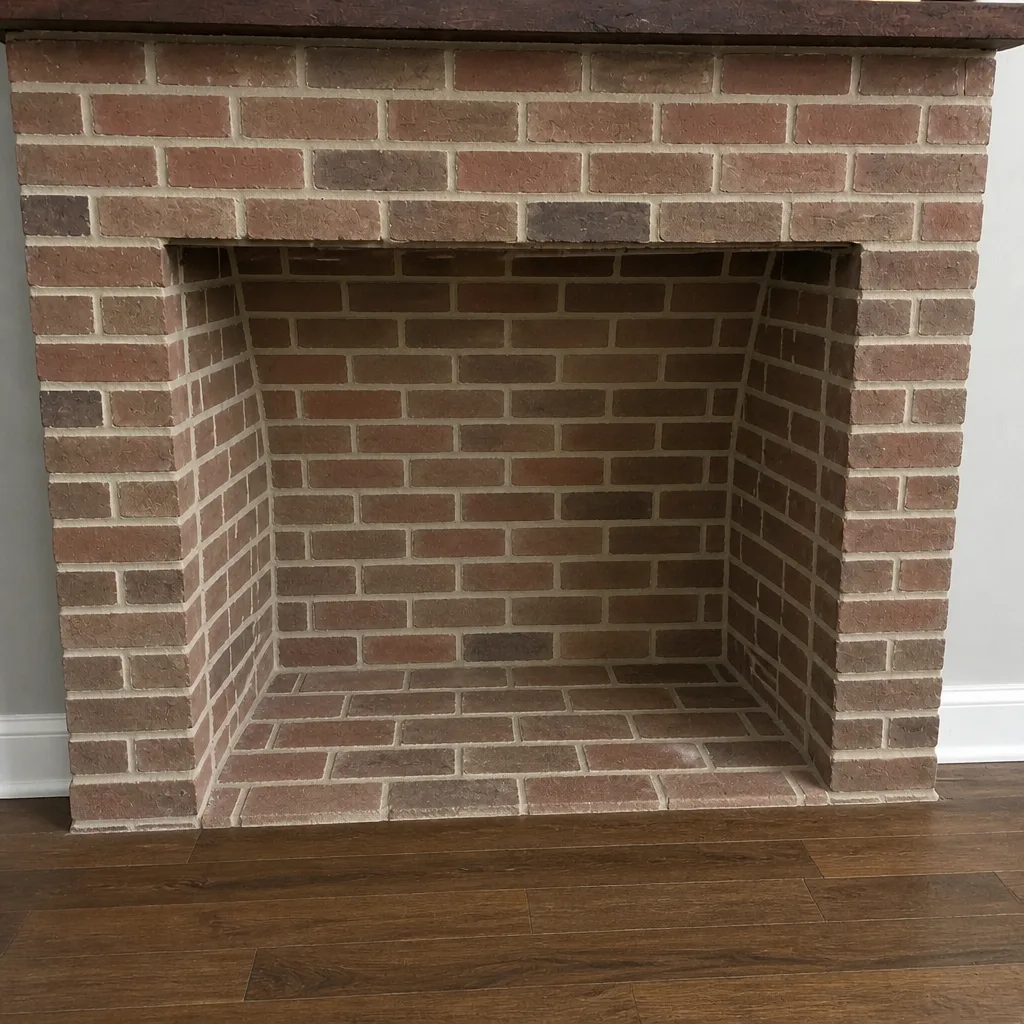
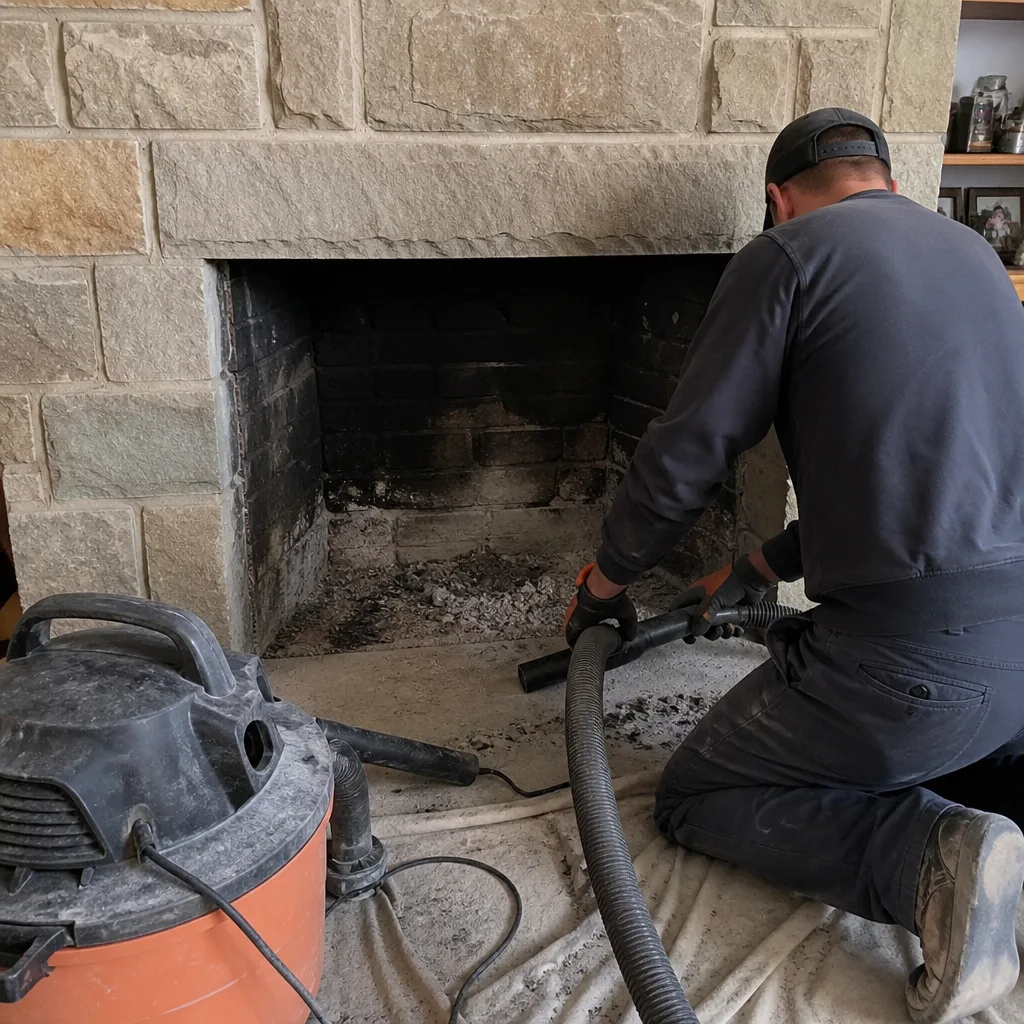
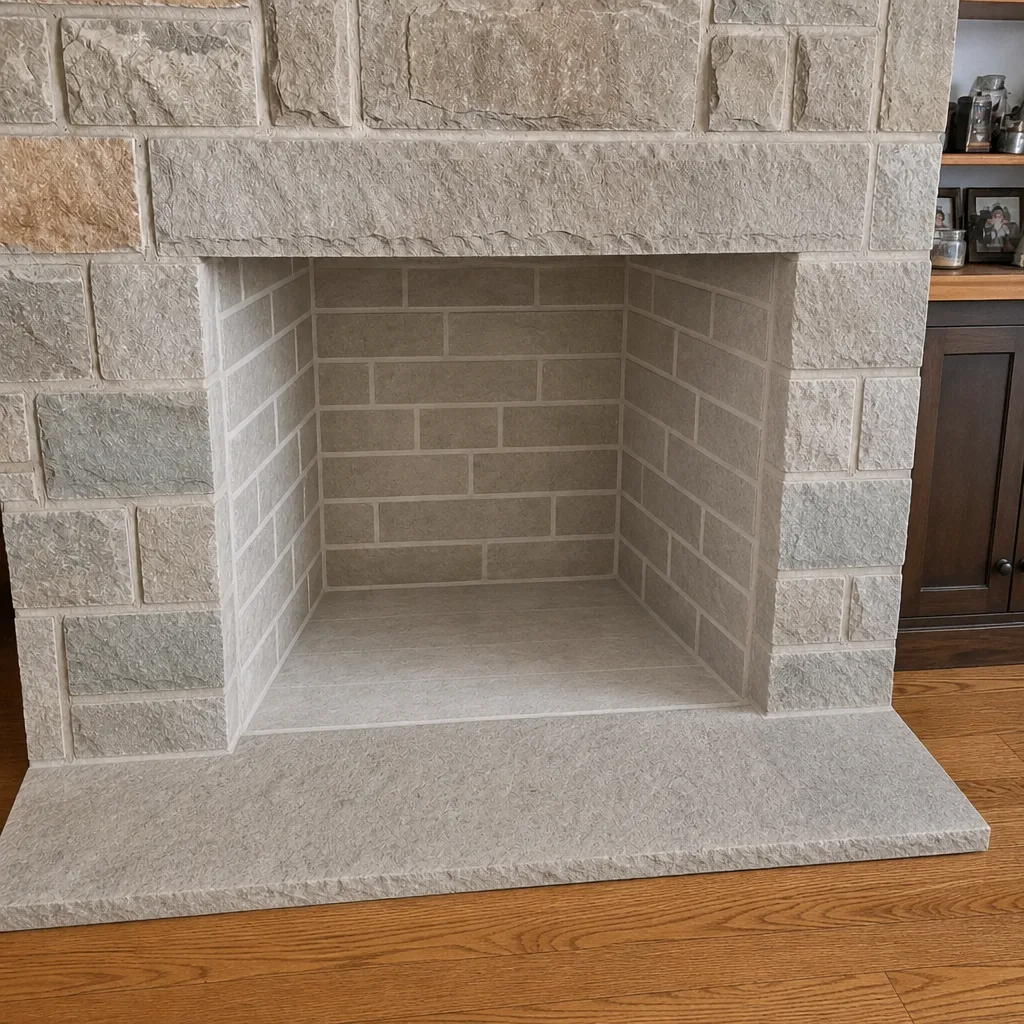
See the difference
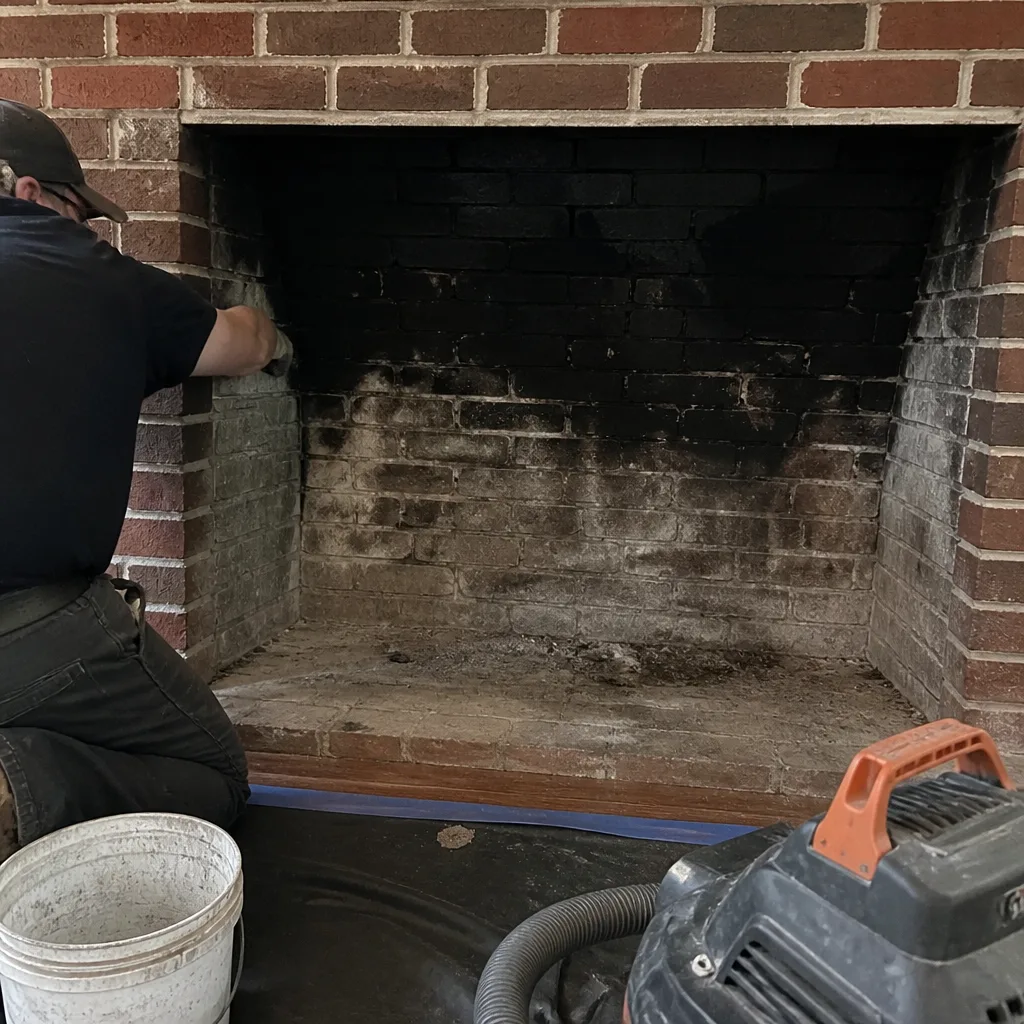 Before
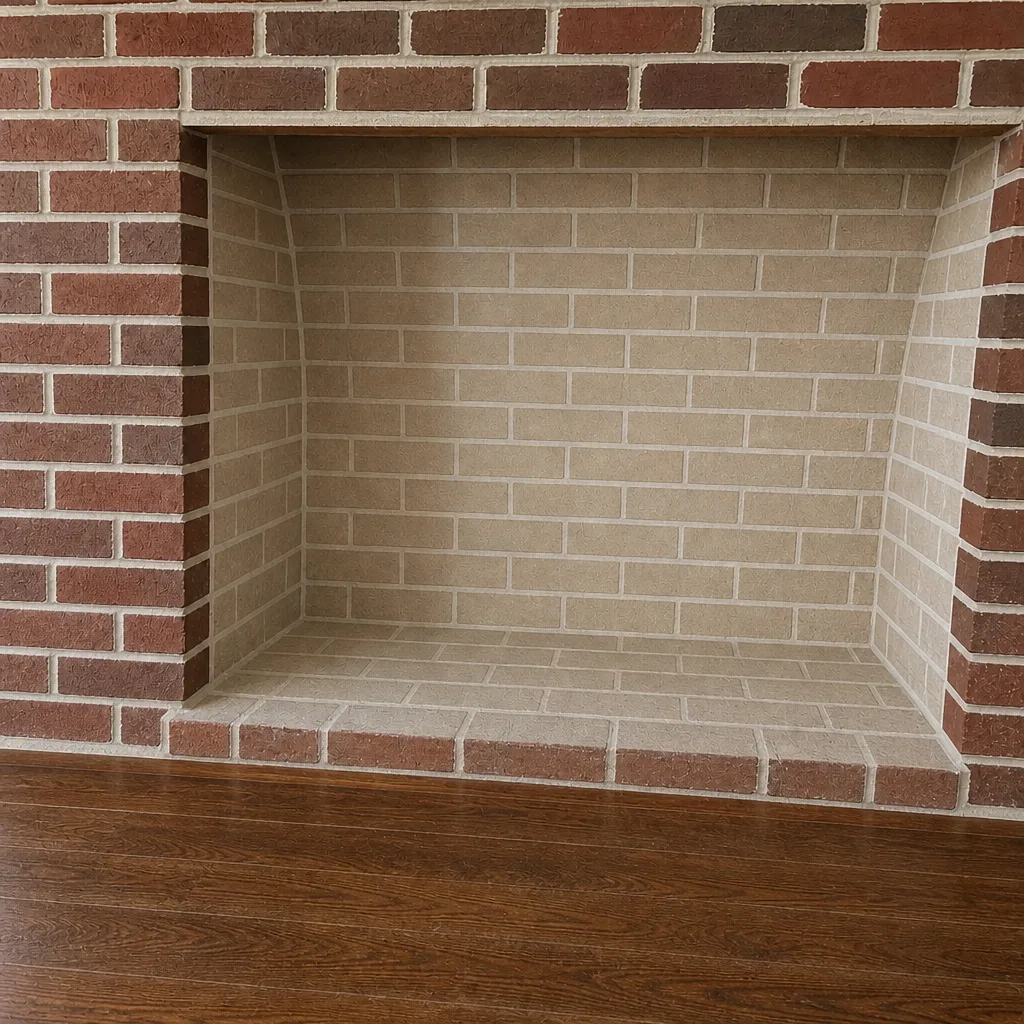 After
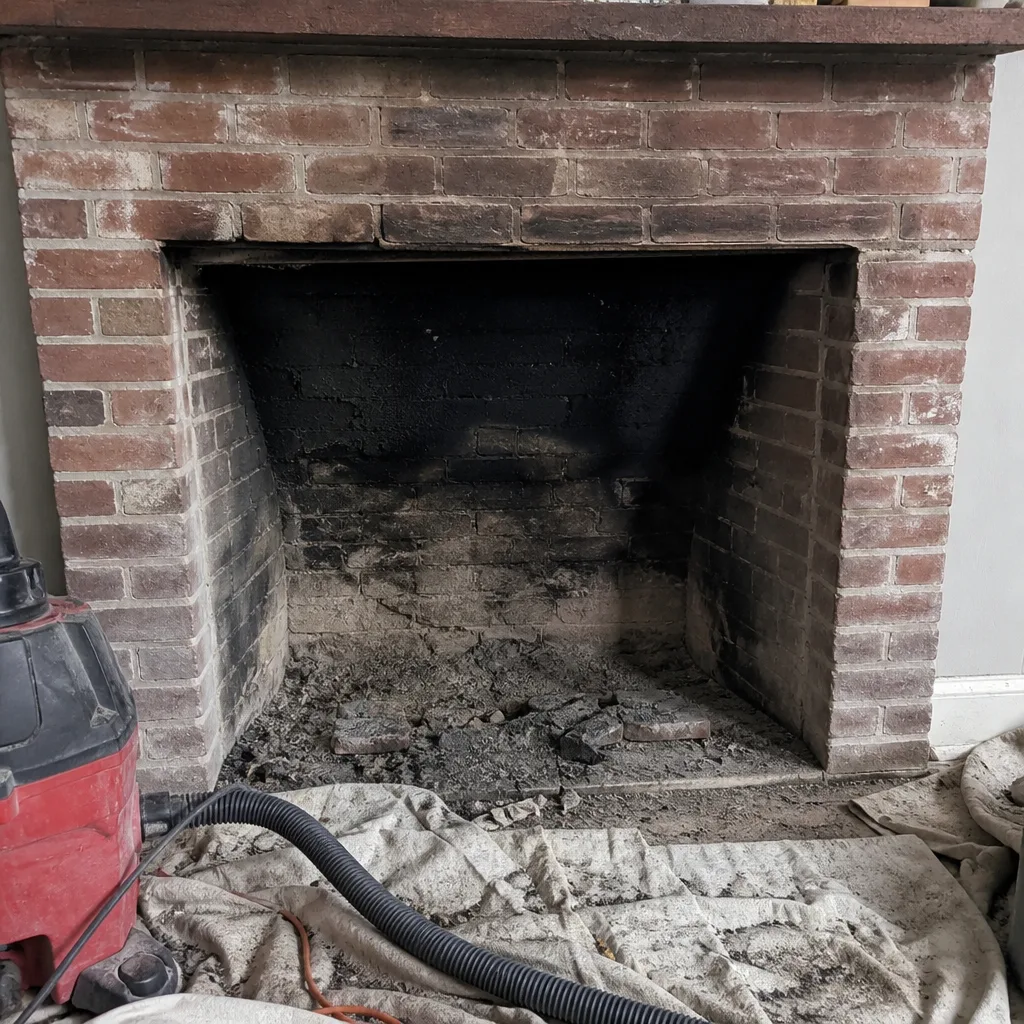 Before
 After
 Before
 After
Frequently Asked Questions
Yes, they matter because they correspond to defined product specifications. A named liner from a professional manufacturer like DuraFlex or Gelco carries a documented alloy, wall thickness, temperature rating, and warranty. Off-brand liners often don’t have that documentation. In a climate with as much freeze-thaw cycling as Charleston gets, the difference in durability is a real factor. The contractor should be able to tell you which specific product they’re using and why it fits your flue.
HeatShield is a flue resurfacing system, not a liner. It’s applied to the inside of a clay tile flue to restore a damaged interior surface without installing a full stainless liner. It works in applications where the original tile is structurally sound but the surface is cracked or deteriorated. Where a liner isn’t needed but the flue needs help, HeatShield is one of the options a professional would consider. A contractor who doesn’t offer it has one fewer way to solve the problem.
The right liner depends on your appliance rating, flue configuration, and whether the flue runs through unheated space or against combustible framing. An insulated liner is frequently required for high-efficiency appliances and for exterior chimneys. A single-wall liner may be appropriate for a simpler installation. The contractor should check the listing for the specific liner and appliance, not guess based on the flue size alone. If you’re in Charleston and aren’t sure, a professional inspection will answer it.
The material matters more than the brand name. A stainless steel cap holds up better than a galvanized one, and a well-fitted cap that sits correctly on the crown protects the flue from rain, snow, and animals. A generic cap screwed to the crown without fitting it to the flue may trap moisture or fail to protect the opening. Ask what material the cap is made of and how it will be fitted to your chimney.
Because the wrong sealer can do more harm than no sealer. A film-forming acrylic or paint product traps moisture inside the brick, and in a Charleston freeze-thaw winter, that trapped moisture accelerates spalling. Breathable masonry waterproofing products let moisture escape while slowing water intrusion. The choice of product type matters more than any brand claim, so ask what type is being applied and why.
A company that handles the full system has a practical advantage: the same crew that finds the problem also fixes it. That closes the gap between inspection and repair, where misunderstandings and cost creep often live. At our shop, our technicians have up to 12 years of experience across sweeping, inspections, Charleston Chimney Sweep Pros fireplace repair, chimney repair, and cap-and-crown installation. That’s a useful thing to ask about when you’re comparing contractors.
The Bottom Line
Brand choice in chimney materials isn’t a marketing exercise. It’s an indication of whether the person working on your chimney knows what they’re using and why. A named flexible liner, a purpose-made crown compound, a correctly fitted stainless cap, and a breathable waterproofing product all contribute to a repair that holds up through Charleston’s freeze-thaw cycle. A contractor who can name those products and explain the reasoning is demonstrating real knowledge; one who waves it off with vague language is telling you something else. Ask the questions. The right contractor will have answers. And if a repair is on the table, the estimate should be grounded in what the camera shows you, not what the contractor assumes.
Charleston Chimney Sweep Pros works with the full range of professional-grade materials and handles the whole chimney, not just the sweep. Call (833) 509-4937 for a free estimate. We answer 24/7. Fast dispatch from 7am to 7pm, Sunday through Friday.
Written by the team at Charleston Chimney Sweep Pros.