
Last updated November 24, 2026
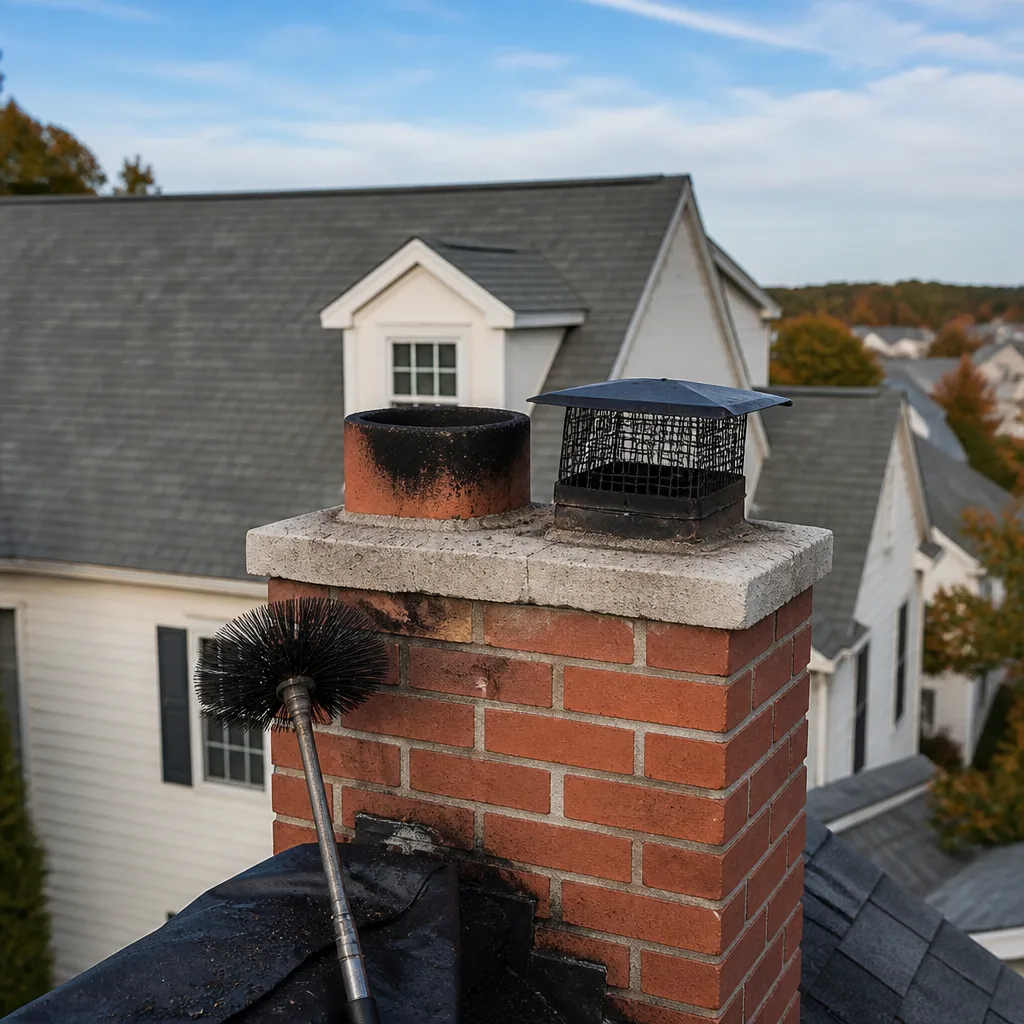 Sweep & inspection
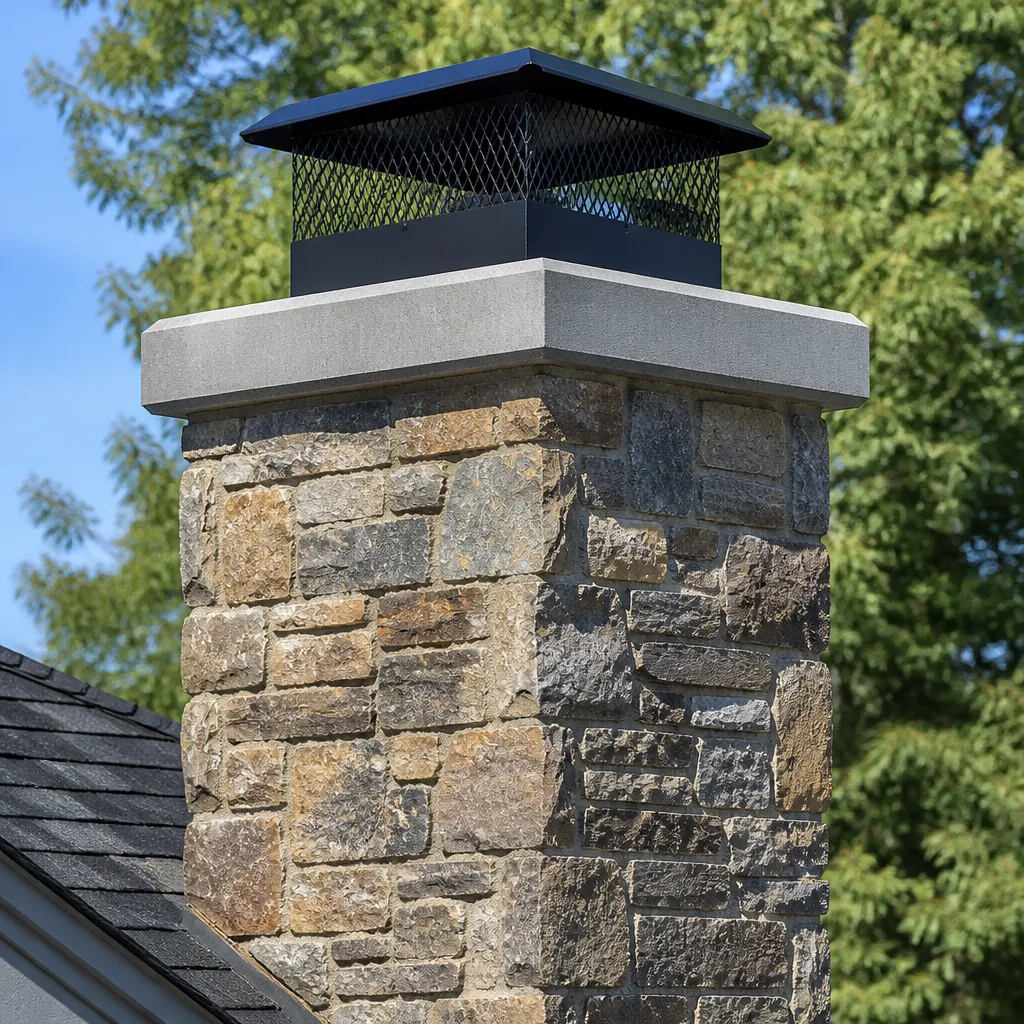 Caps & crowns
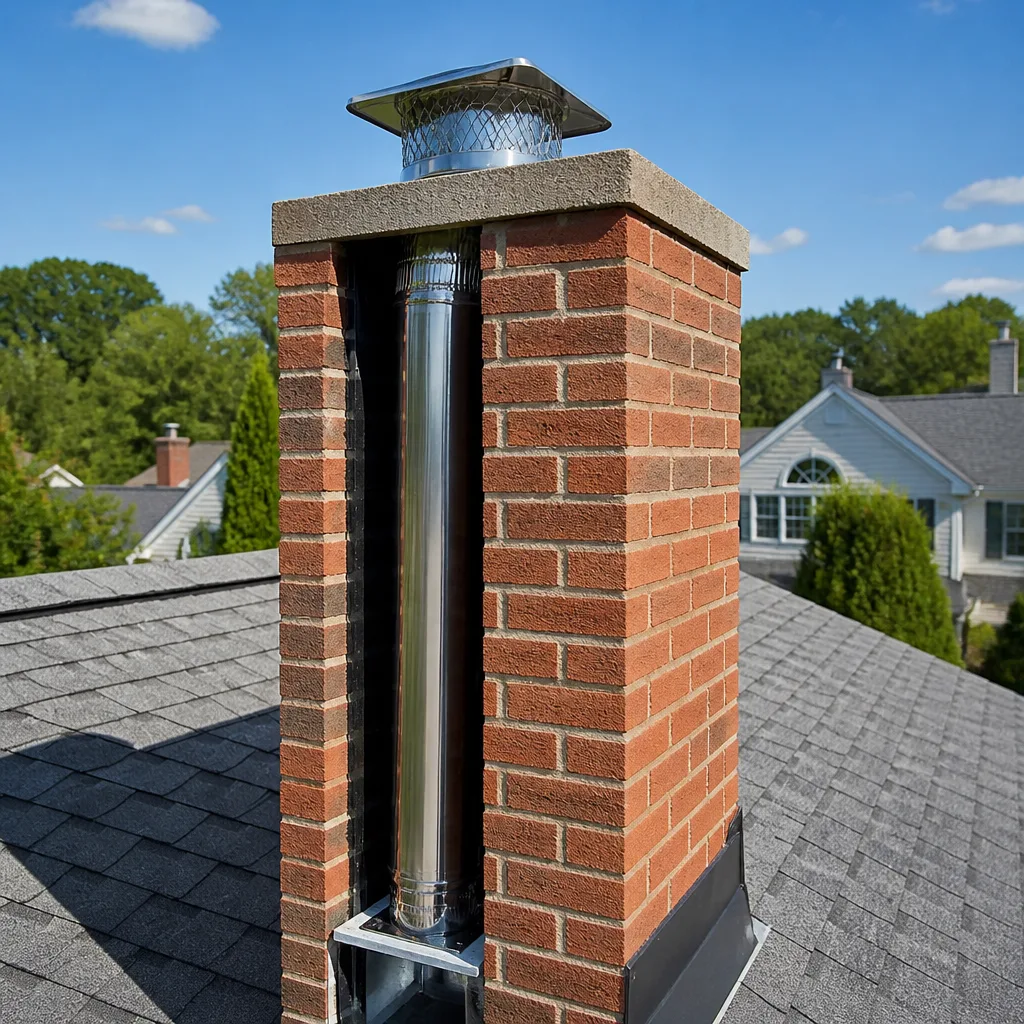 Flue relining
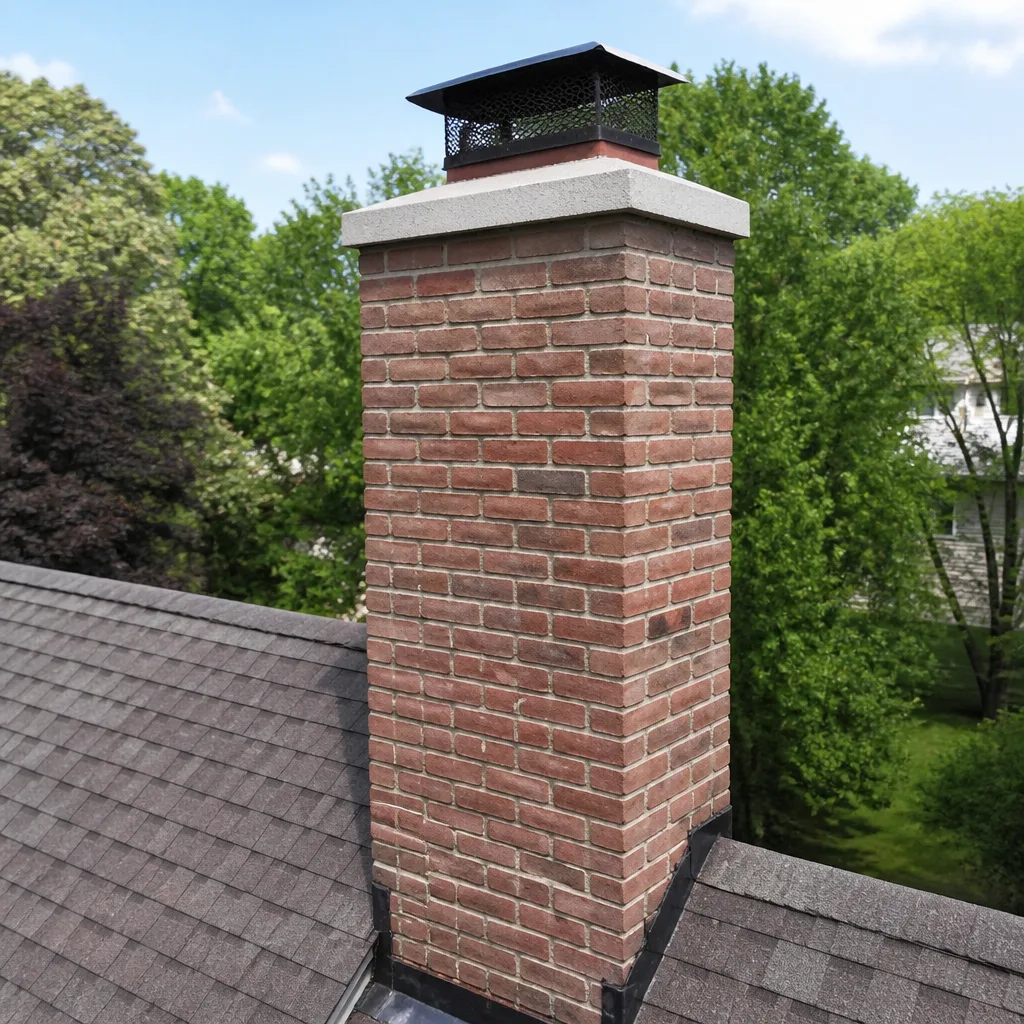 Masonry repair
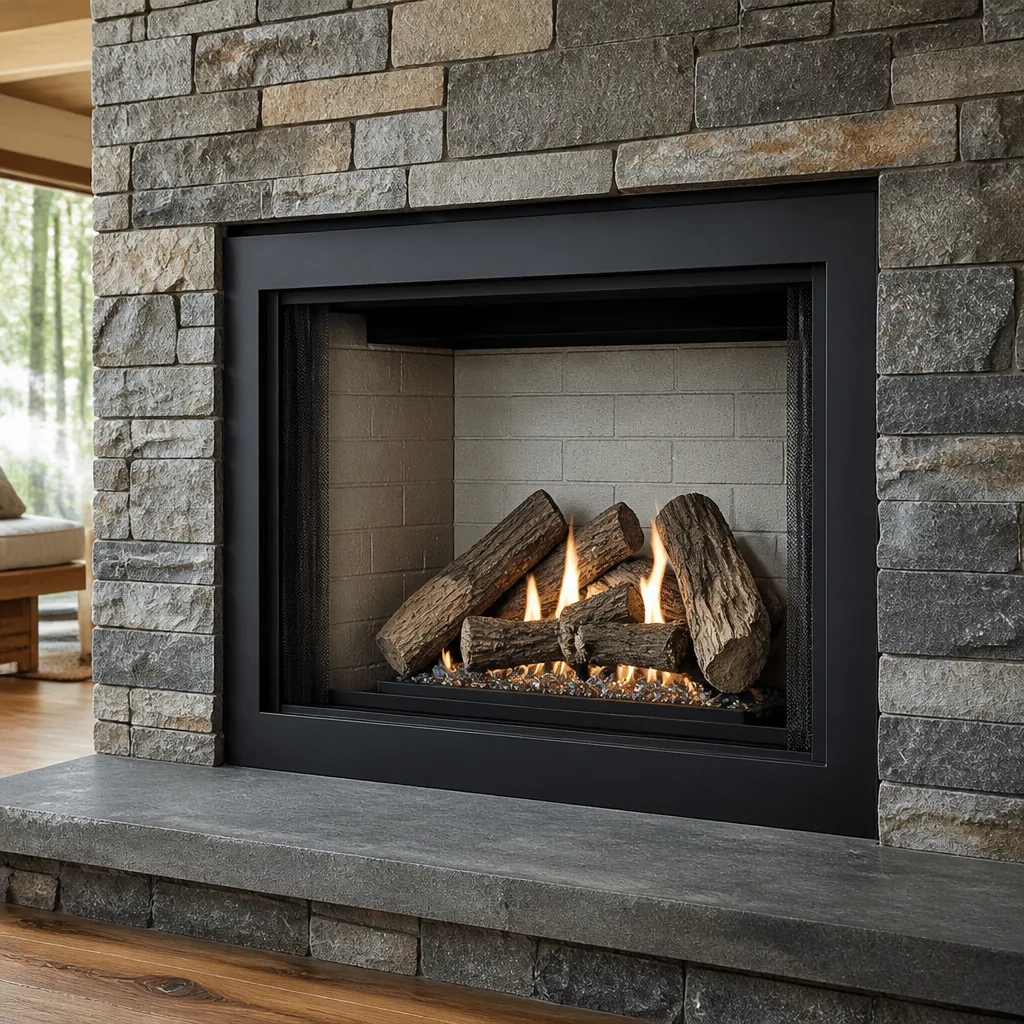 Gas fireplace service
Level 1 sweep and inspection to the NFPA 211 annual standard - flue, crown, cap, and flashing checked and photographed
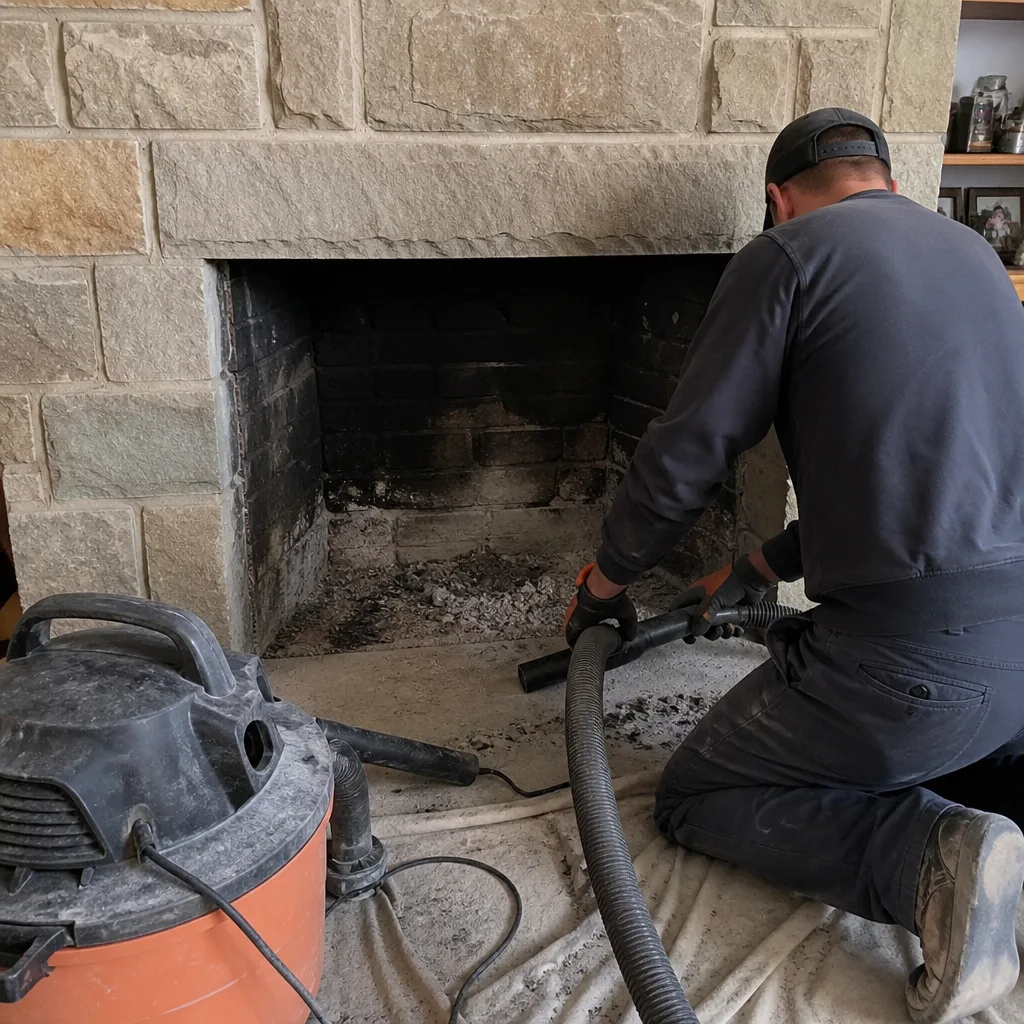
Chimney sweep logs do not sweep chimneys. They loosen some creosote - which then falls where a brush and vacuum still have to collect it.
Chimney Cleaning Emergency Preparedness Guide for Charleston Homes
A chimney fire doesn’t always roar. It doesn’t always throw flames from the top of the stack or make a sound you’d recognize from a movie. A slow-burning creosote fire can smolder for hours inside the flue, quietly warping a liner while the homeowner assumes the fireplace is just running a little hot that evening. That single misconception is why we wrote this guide. Charleston homeowners with an active fireplace need a plan for two foreseeable events: a chimney fire and a blocked flue discovered in the middle of winter. Not because either is common, but because the first fifteen minutes decide how much damage the house takes. We’ll walk through how to recognize both, what to do before help arrives, what to have ready before the heating season starts, and how to document everything for insurance.
Quick Answer
A chimney emergency plan for a Charleston home comes down to three things: recognize the signs early (a low smolder counts), respond correctly in the first fifteen minutes (close the damper, get everyone out, never throw water into a hot firebox), and shut the fireplace down completely if you suspect a flue blockage. Working carbon monoxide detectors on every floor and a documented service date turn a potential disaster into a manageable event. If you smell smoke in the house with a fire burning, stop reading and act.
Styles & brands we work with
- Sweep & inspection
- Caps & crowns
- Flue relining
- Masonry repair
- Gas fireplace service
Table of Contents
- How to Recognize a Chimney Fire in Progress
- The First 15 Minutes of a Suspected Chimney Fire
- Mid-Winter Blocked Flue Protocol
- What to Have in Place Before the Heating Season
- Carbon Monoxide Detectors and What They Tell You
- Post-Fire and Post-Blockage Documentation for Insurance
- What a Level 2 Inspection Covers After an Event
- From Damage to Repair: What Comes Next
How to Recognize a Chimney Fire in Progress
Most homeowners expect a chimney fire to announce itself. It often doesn’t. The dramatic version, with flames and a freight-train roar, is real but less common than the slow smolder that burns a liner from the inside while everything in the room looks normal.
Here’s what to watch for, and it helps to have read this before you need it:
- Sound: A low rumbling or popping that doesn’t match the fire you built. A roaring chimney fire sounds like a distant train or a low-flying aircraft. A smolder may produce only faint crackling.
- Smell: A hot, acrid, almost metallic burning smell in the room, distinct from normal wood smoke. If the smell is stronger inside than at the top of the chimney, that’s a warning sign.
- Smoke behavior: Smoke puffing back into the room, or smoke that changes character mid-burn. Dark, dense smoke from the chimney top when the fire itself is burning clean is another signal.
- Visible from outside: Sparks or embers rising from the chimney top, or a glow visible at the crown. A low smolder may show none of this, which is exactly the trap.
- Temperature: The chimney breast or the face of the fireplace feels unusually hot to the touch. A stovepipe or flue that’s too hot to hold your hand near is a red flag.
- Liner damage after the fact: Warped or cracked flue tiles, a distorted stainless liner, or creosote that’s been baked into a hard glaze. These are signs of a fire you may not have known was happening.
The takeaway: if your fireplace is behaving strangely, the burn feels off, or you smell something you can’t explain, treat it as a possible fire until you know otherwise. In our experience the cost of a false alarm is a phone call. The cost of ignoring a smolder is a liner replacement or worse.
The First 15 Minutes of a Suspected Chimney Fire
If you suspect a chimney fire is in progress, here is the order of operations. Don’t improvise. Work the list.
- Get everyone out of the room and out of the house if you see flames, hear roaring, or smell smoke that’s filling the space. Call 911 from outside. A chimney fire that spreads to the structure is a house fire.
- Close the fireplace doors and the damper. Starving the fire of oxygen slows it and keeps smoke and embers in the flue rather than in the room. If the fireplace has glass doors, close them.
- Do not throw water into the firebox. Water on a hot fire can flash to steam and send scalding vapor and soot back into the room. A sudden cool-down can also crack firebrick or the flue itself. Leave extinguishing to the fire department.
- If you have a chimney fire extinguisher (a chimney stick or a chimney bomb), it can be used as directed on the package. If you don’t have one, don’t improvise.
- Get to a safe distance and stay there. Watch from outside. If you see flames or sparks at the top of the chimney, note it for the fire department.
- Do not use the fireplace again until the chimney has been inspected. Not the next day, not after it cools. Not until a professional has looked at the flue.
If the fire appears small and contained and you’ve closed the damper, call the fire department anyway. They would much rather respond to a contained event than arrive at a structure fire twenty minutes later. After the fire department clears the scene, the chimney needs a Level 2 inspection before anyone lights another fire. We’ll get to what that covers.
Mid-Winter Blocked Flue Protocol
A blocked flue is the other emergency most homeowners aren’t ready for. It usually shows up as a fireplace that suddenly won’t draft. The fire won’t catch, smoke rolls into the room, or the whole thing feels wrong. In January and February, when the flue is cold and the house is sealed tight, blockages are more likely. Nests, fallen masonry, soot piled up, a damaged damper, or a collapsed liner can all do it.
Here’s the protocol when you suspect a blockage:
- Extinguish the fire if you can do so safely. Let it burn down if that’s the safer option. Do not add more wood.
- Open a window in the room. This equalizes pressure and reduces the chance of back-drafting smoke into the house.
- Close the damper and the fireplace doors. Seal the fireplace off from the room as completely as you can.
- Watch your carbon monoxide detector. If it alarms, get everyone out, call 911, and don’t re-enter until the fire department says it’s safe. A blocked flue can push carbon monoxide into the living space.
- Don’t relight the fire to “test” the flue. That’s the mistake that turns a bad afternoon into a dangerous one.
- Call for service. A blocked flue with a cold snap coming qualifies as a same-day call. We book those in Charleston through chimney sweep and inspection service.
How do you know it’s a same-day emergency versus a “call this week” situation? If your CO detector has alarmed, or if smoke is entering the room with the damper open, it’s a same-day call. If the fireplace just won’t draft but there’s no smoke in the room and no CO alarm, it’s urgent but not an emergency. Either way, no fire until the flue is cleared and inspected.
What to Have in Place Before the Heating Season
Preparedness is cheap before the first cold snap and expensive after. Here’s the short list for a Charleston home with an active fireplace or wood insert:
- Working carbon monoxide detectors on every floor. Test them before the season starts, replace batteries, and replace units on the manufacturer’s schedule. This is the single most important item on the list.
- A documented last service date. Write it down and keep it with your home records. It matters for insurance and it tells any technician who shows up what they’re walking into.
- A posted emergency contact for chimney issues. The fire department is 911. Your chimney company’s number should be on the fridge or in a phone contact labeled clearly. Ours is (833) 509-4937.
- A chimney fire extinguisher. A chimney stick or chimney bomb stored near the fireplace, with the package directions read in advance.
- A working chimney cap and an intact crown. The cap keeps birds, squirrels, and rain out of the flue. The crown sheds water off the top of the masonry. Both are part of chimney cap & crown service, and both prevent the kind of blockage that shows up as a mid-winter emergency.
- A flashlight near the fireplace. You’ll want it if you need to look at the firebox in a hurry.
- A pre-season sweep and inspection booked before the first cold week. The best emergency is the one you prevent.
The heating season in Charleston comes on fast. Booking a sweep before the first cold snap is easier than finding a slot after everyone’s fireplace has been sitting idle for months and suddenly won’t draft. Our technicians have up to 12 years of experience with the kind of creosote buildup and drafting problems that come out of a long off-season.
Carbon Monoxide Detectors and What They Tell You
A carbon monoxide detector is doing its job long before it sounds the alarm. A blocked flue, a cracked heat exchanger in a connected appliance, or a back-drafting fireplace can all push CO into the living space at levels that a healthy adult won’t notice until it’s a problem. The detector is the only reliable early warning you have.
What a CO alarm actually tells you in a chimney context:
- A low-level alarm or intermittent chirp on a CO unit can mean low concentrations building up over time, often from a flue that isn’t drafting properly. Don’t dismiss it as a bad battery without verifying.
- A full alarm means get out and call 911. Don’t open windows first and then wait to see if it clears. Get out.
- Detectors on every floor, including the basement and near sleeping areas, are the standard most safety experts recommend. If you have a fireplace on the main floor, the detector in the bedrooms is your last line of defense at night.
- Test and replace on schedule. A detector that’s been in service past its replacement date is a false sense of security.
Here’s the connection homeowners miss: a slow chimney fire and a blocked flue can both produce CO without producing a visible problem. The detector catches what your nose won’t. If you’ve had an alarm and can’t explain it, a chimney inspection should be on your list. We can work with your insurer on documentation if the cause turns out to be the flue.
Post-Fire and Post-Blockage Documentation for Insurance
Insurance claims go smoother when the documentation is done before anyone cleans up. The instinct after a chimney event is to tidy, sweep, and get back to normal. Resist it. Here’s what to document, and what to leave alone.
- Photograph everything before you clean. The firebox, the damper, the smoke chamber, the chimney top, the room around the fireplace, any soot staining on walls or ceiling. Wide shots first, then close-ups.
- Photograph the exterior. The chimney top, the crown, the cap, the roofline. If there’s visible damage, get it from multiple angles.
- Don’t clean up soot or debris before an adjuster or inspector visits. Cleaning can destroy evidence of the extent of the fire. If you need to make the house livable, discuss with your adjuster first.
- Keep the sweep and inspection paperwork. The last service date, the last inspection report, and any repair invoices matter for the claim.
- Get a written inspection report after the event. A Level 2 inspection report with photos is the document your insurer will want. Our inspection includes camera work and a photo report, so you have something concrete to hand over.
- Keep receipts for any emergency measures (fire department response, temporary tarping, hotel if you had to leave). Those are part of the claim.
A blocked flue that didn’t cause a fire still deserves documentation if there’s any liner or masonry damage. The cause matters: a bird nest is one thing, a collapsed liner tile is another. The repair estimate follows from what the inspection finds.
What a Level 2 Inspection Covers After an Event
A Level 2 inspection is the standard after a chimney fire or a significant blockage event. It goes beyond what a sweep-only visit covers. Here’s what it includes:
- A visual inspection of the accessible portions of the chimney, inside and out, including the firebox, smoke chamber, damper, flue, crown, cap, and any connected appliance venting.
- Camera inspection of the flue where access allows, to look for cracks in tiles, gaps in joints, warped or damaged stainless liner, and glazed creosote from a fire.
- Assessment of the firebox and smoke chamber for damage from the heat of a fire.
- A written report with photos documenting findings and recommendations.
- Recommendations for repair at the level the findings call for. That might be cleaning glazed creosote, resurfacing a damaged flue with a system like HeatShield, installing a new stainless liner (DuraFlex is the flexible system we use for older or offset flues), or rebuilding the crown.
What a Level 2 inspection is not: it’s not a sales pitch for a new liner. Nothing gets recommended on the strength of the inspection alone. The findings are documented and photographed, and you see them before any work is scheduled. If a repair can wait until spring, we’ll say so. Full detail on the inspection side is available under Charleston Chimney Sweep Pros service pages.
From Damage to Repair: What Comes Next
After a chimney event, the repair path depends on what the inspection found. The good news is that not every fire damage case needs a full liner replacement. Some cases can be handled with resurfacing, and some just need a crown repair and a cap.
The repair options we handle in Charleston:
- Flue resurfacing with HeatShield when the flue is still structurally sound but the inner surface is damaged or eroded. This restores the flue without pulling the whole liner out, and it’s an option sweep-only companies can’t offer.
- Flexible stainless liner installation with DuraFlex when the original liner is beyond resurfacing or when the flue has an offset that a rigid liner can’t navigate.
- Crown and cap repair or replacement with Gelco or Olympia Chimney components when the top of the chimney has cracked or the cap has been damaged.
- Firebox and fireplace repair when the fire itself damaged firebrick, the damper, or the firebox assembly.
- Rebuild or repair of the masonry when the heat or the water intrusion that followed has compromised the structure.
We handle the full chimney system, so the inspection findings get addressed by the same team that found them. No handoff, no referral out. If you’re deciding between repair options, the fireplace repair and chimney repair services cover both sides of that conversation.
Common Mistakes to Avoid
- Assuming a chimney fire is always loud and visible. The slow smolder is the case homeowners miss, and it’s the one that does the most liner damage. If the burn feels off, treat it as a possible fire until you know otherwise.
- Throwing water into a hot firebox. The flash of steam and the thermal shock can hurt you and crack firebrick or tile. Close the damper and call the fire department.
- Relighting the fireplace after a fire without an inspection. Not the next morning, not after it cools. A damaged liner that’s still in place can leak carbon monoxide or heat into the structure.
- Testing a blocked flue with a lit fire. If the fireplace won’t draft, don’t build a bigger fire to see if it will push through. A blocked flue with a fire in it is a smoke and CO event waiting to happen.
- Skipping the annual sweep because the fireplace “wasn’t used much.” Creosote accumulates with even light use, and the first cold snap after a long idle season brings it out. In Charleston the off-season is long enough that a fireplace can feel forgotten by the time it’s needed.
- Cleaning up before the insurance adjuster has photographed the scene. Soot and debris are evidence. Don’t sweep it away to make the room look normal.
- Ignoring a CO detector chirp. A low-level alarm on a CO unit near a fireplace deserves a professional look, not a battery swap and a shrug.
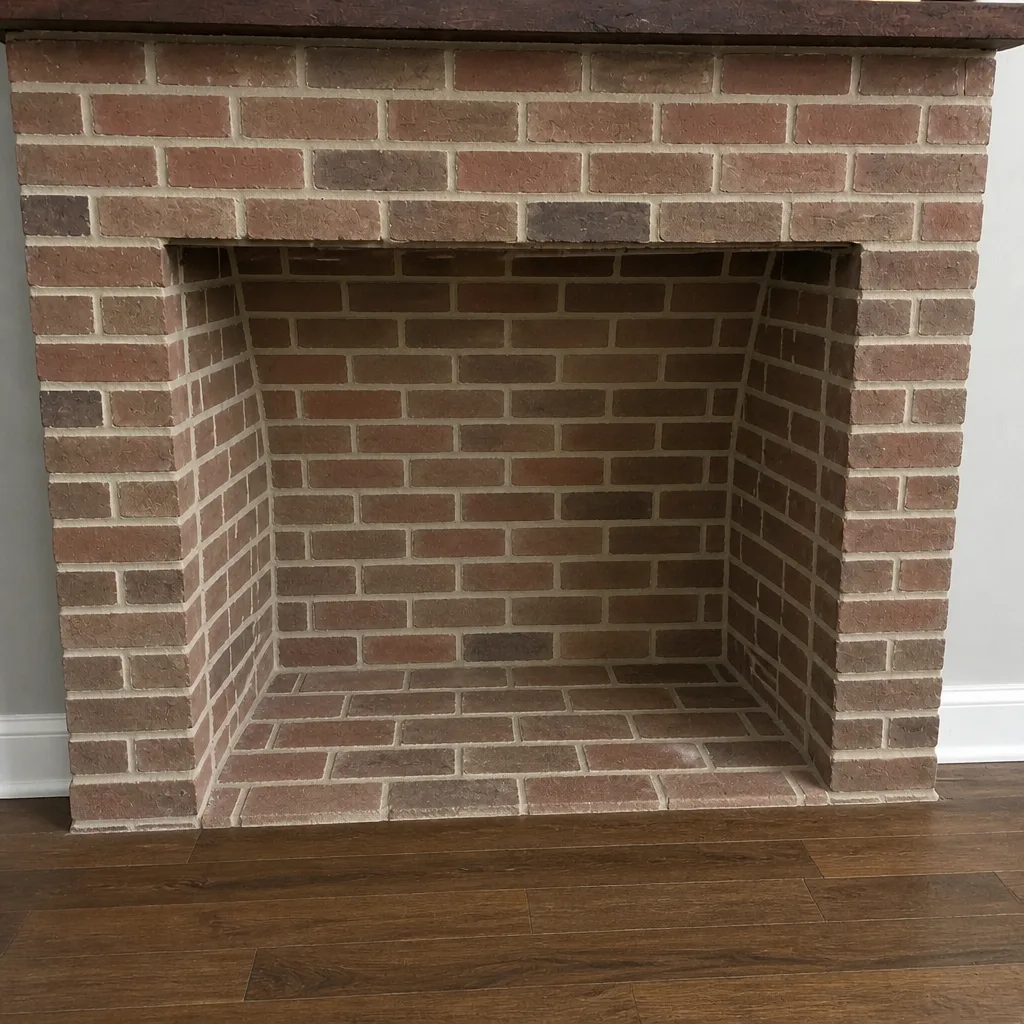
See the difference
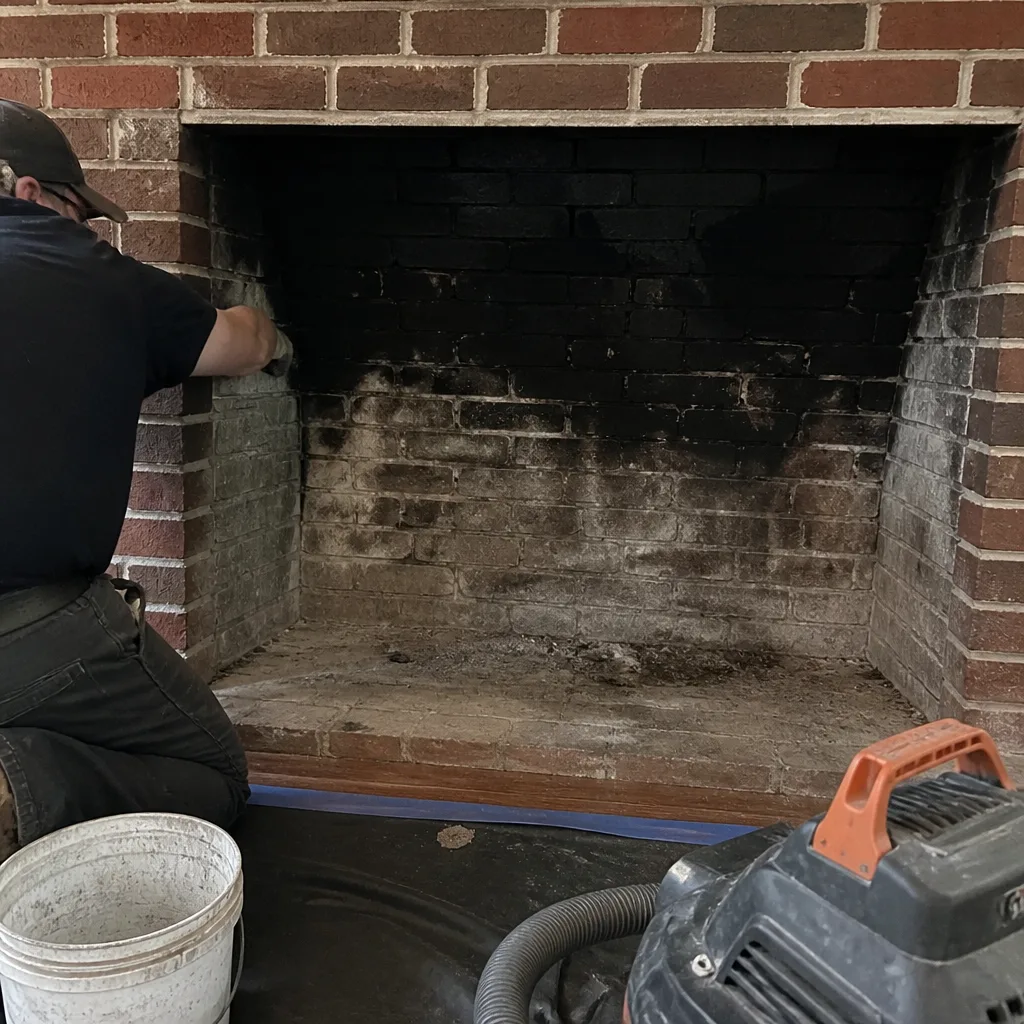 Before
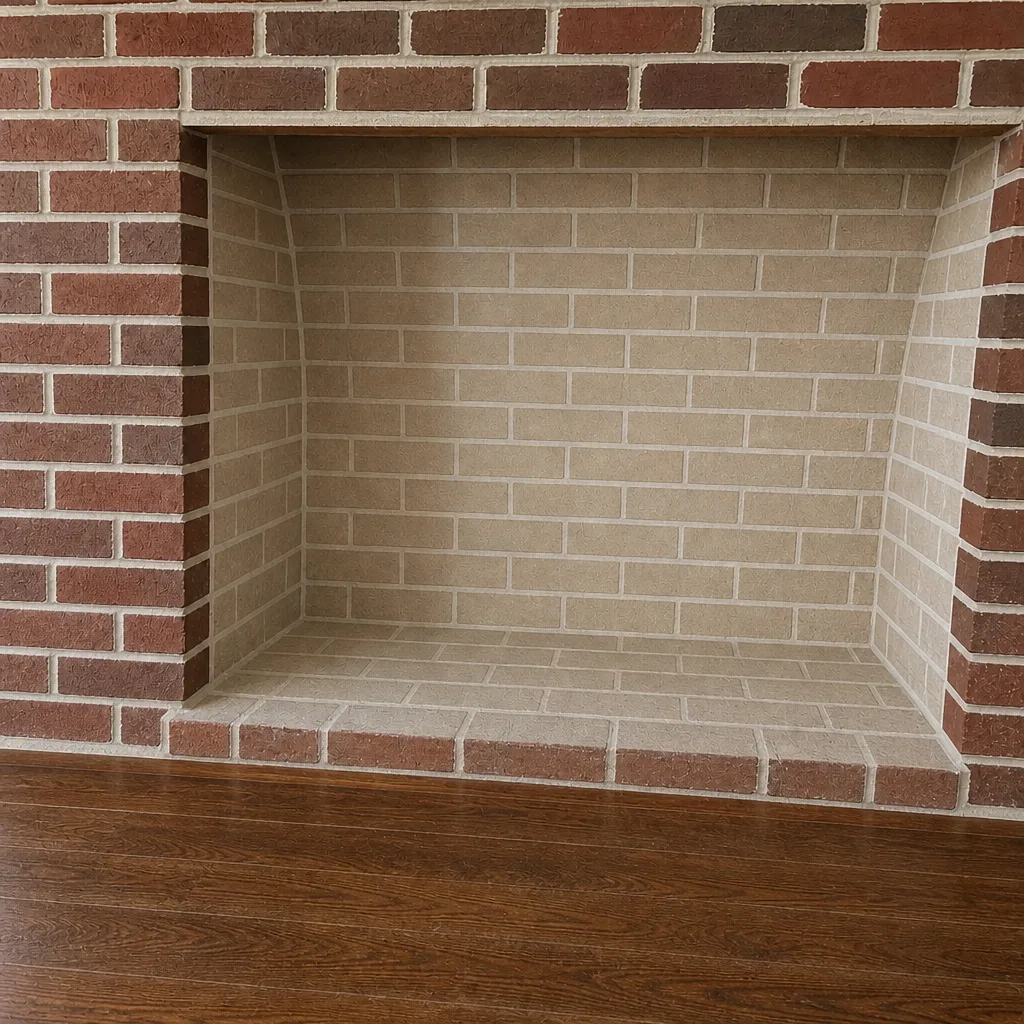 After
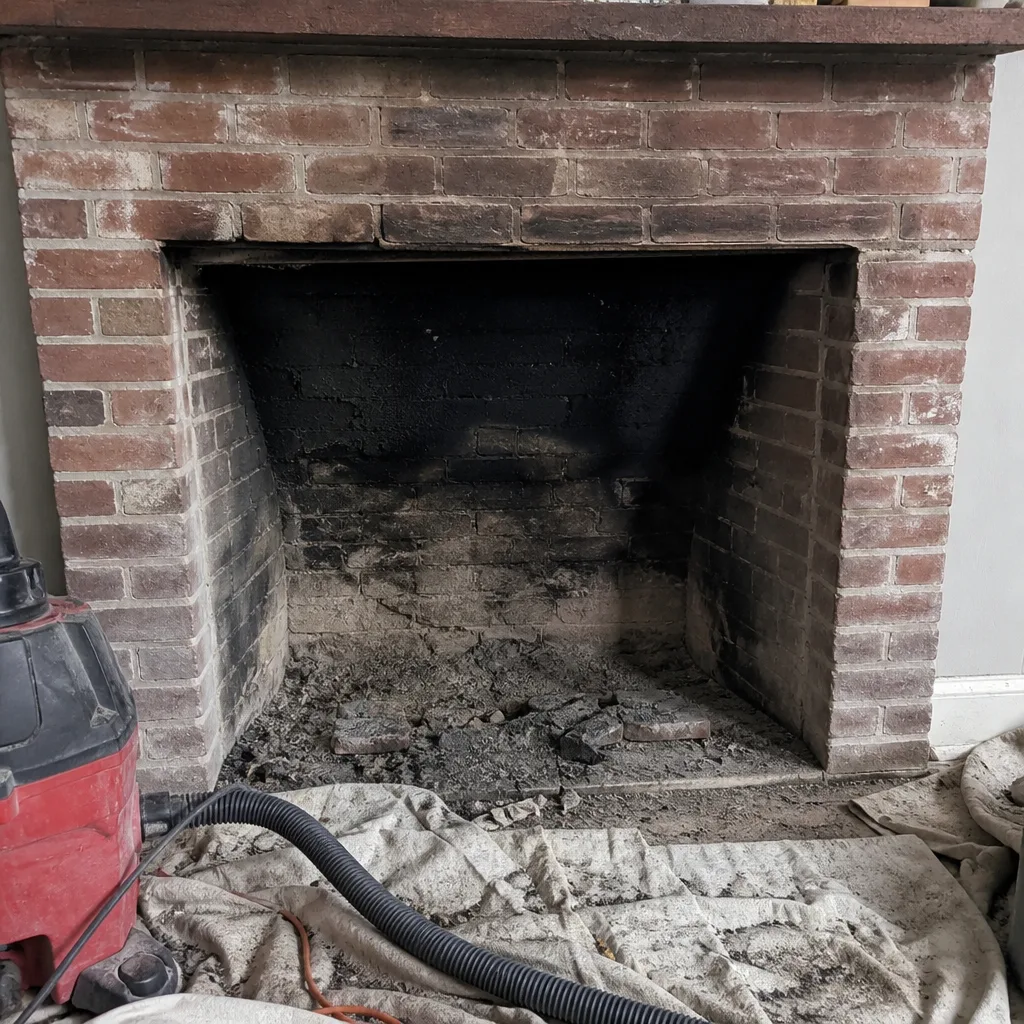 Before
 After
 Before
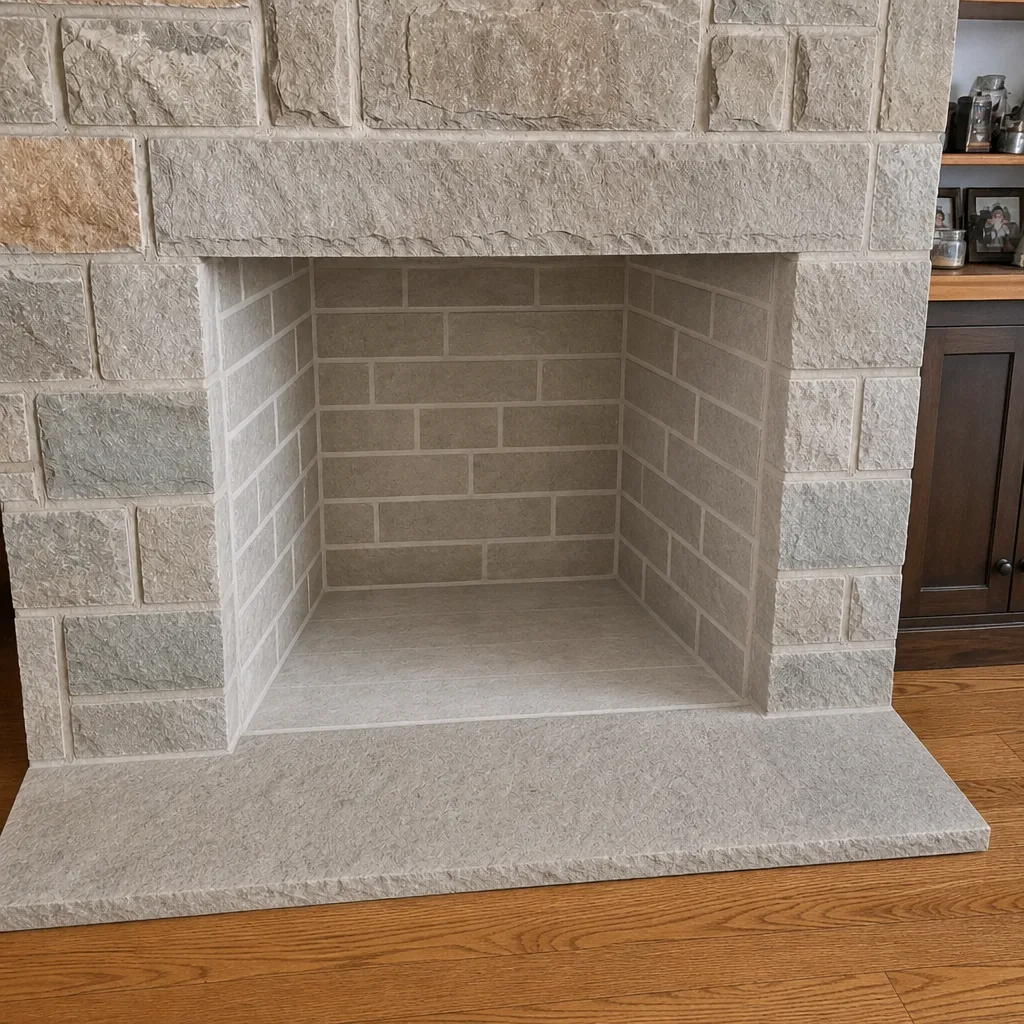 After
When to Call a Professional
Call for a professional chimney service in Charleston when any of these are true: you’ve had a chimney fire, even a suspected one; your carbon monoxide detector has alarmed and you can’t explain it; your fireplace won’t draft or smoke rolls into the room with the damper open; you’ve had a blockage that required closing off the fireplace; or you haven’t had the chimney inspected in the last year. The same goes for a cracked crown, a missing cap, or visible damage to the chimney top after a storm. Charleston Chimney Sweep Pros offers free estimates in Charleston. Call (833) 509-4937. We answer 24/7. Fast dispatch from 7am to 7pm, Sunday through Friday.
Frequently Asked Questions
The clearest evidence is usually found after the fact: warped or cracked flue tiles, glazed creosote baked into a hard surface, a distorted stainless liner, or a puff of smoke that the fire itself doesn’t explain. During a fire, the signs are a roaring or popping sound, a hot metallic smell, smoke that behaves differently from normal, or a glow at the top of the chimney. A slow smolder may show none of these. If you suspect one, book an inspection before lighting another fire. Call (833) 509-4937 for an exact quote on the inspection; estimates are free.
Yes. Closing the damper and the fireplace doors starves the fire of oxygen and keeps smoke and embers in the flue rather than in the room. Do not throw water into the firebox. Get everyone out, call 911, and leave the extinguishing to the fire department.
It depends on the rest of the signs. A fireplace that won’t draft with no smoke in the room and no CO alarm is urgent but not an emergency; keep the fireplace closed and book service. If smoke is entering the room or your CO detector has alarmed, that’s a same-day call: get everyone out, call 911 if the alarm is sounding, and call us for dispatch. We answer 24/7. A call outside dispatch hours is booked into the next opening, Sunday through Friday, 7am to 7pm.
Once a year is the standard for a home with an active fireplace or wood insert, and after any chimney fire, blockage, or significant storm event. An annual inspection catches the liner and crown problems that lead to mid-winter emergencies before they become one. Skipping it doesn’t make the problem go away; it just means you find out about it under worse conditions.
A Level 2 inspection is the standard recommendation after a chimney fire or a significant blockage, and the report is what your insurer will want. Pricing depends on the chimney and access, so we give it per job by written estimate. Nothing gets recommended on the strength of the inspection alone. You see the findings and photos before any work is scheduled. Call (833) 509-4937 for an exact quote; estimates are free.
No. Photograph everything first: the firebox, damper, smoke chamber, chimney top, the room, and any staining. Don’t clean up soot or debris before an adjuster or inspector has documented the damage. Cleaning can erase evidence of how far the fire or smoke damage spread, and that affects the claim. If the house needs to be livable, talk to your adjuster before you tidy.
The Bottom Line
Chimney emergencies in Charleston are foreseeable, and that’s the point. A chimney fire, whether it roars or smolders quietly, calls for the same first fifteen minutes: get everyone out, close the damper, don’t throw water, call 911, and don’t relight until an inspection clears the flue. A blocked flue is treated the same way, with the addition of watching your carbon monoxide detectors and closing the fireplace off. Before the heating season, get working CO detectors on every floor, write down your last service date, and know who to call. After an event, photograph everything and don’t clean up before the adjuster sees it. Our technicians have up to 12 years of experience with the full system, from the sweep to the crown. If any of this has you wondering about your own chimney, call (833) 509-4937 to book a free estimate.
Written by the team at Charleston Chimney Sweep Pros.