
Last updated November 24, 2026
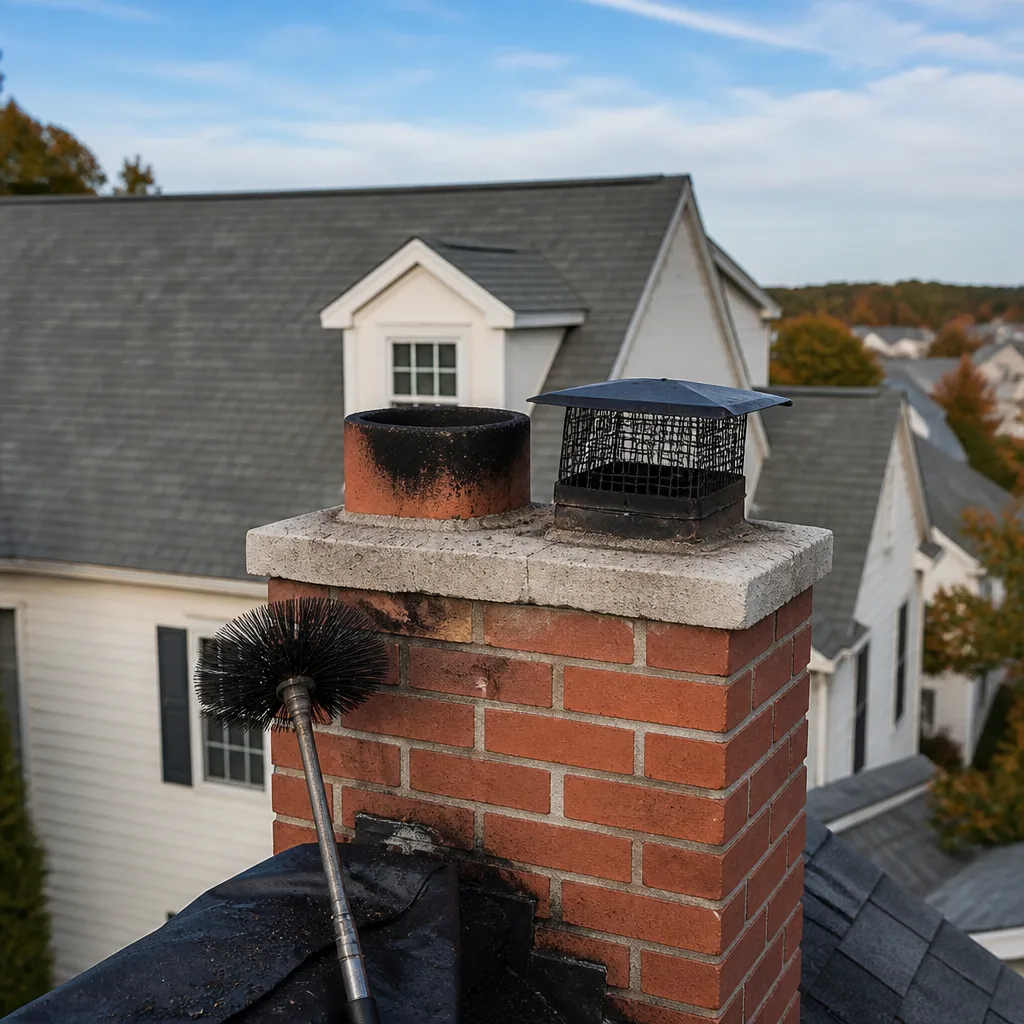 Sweep & inspection
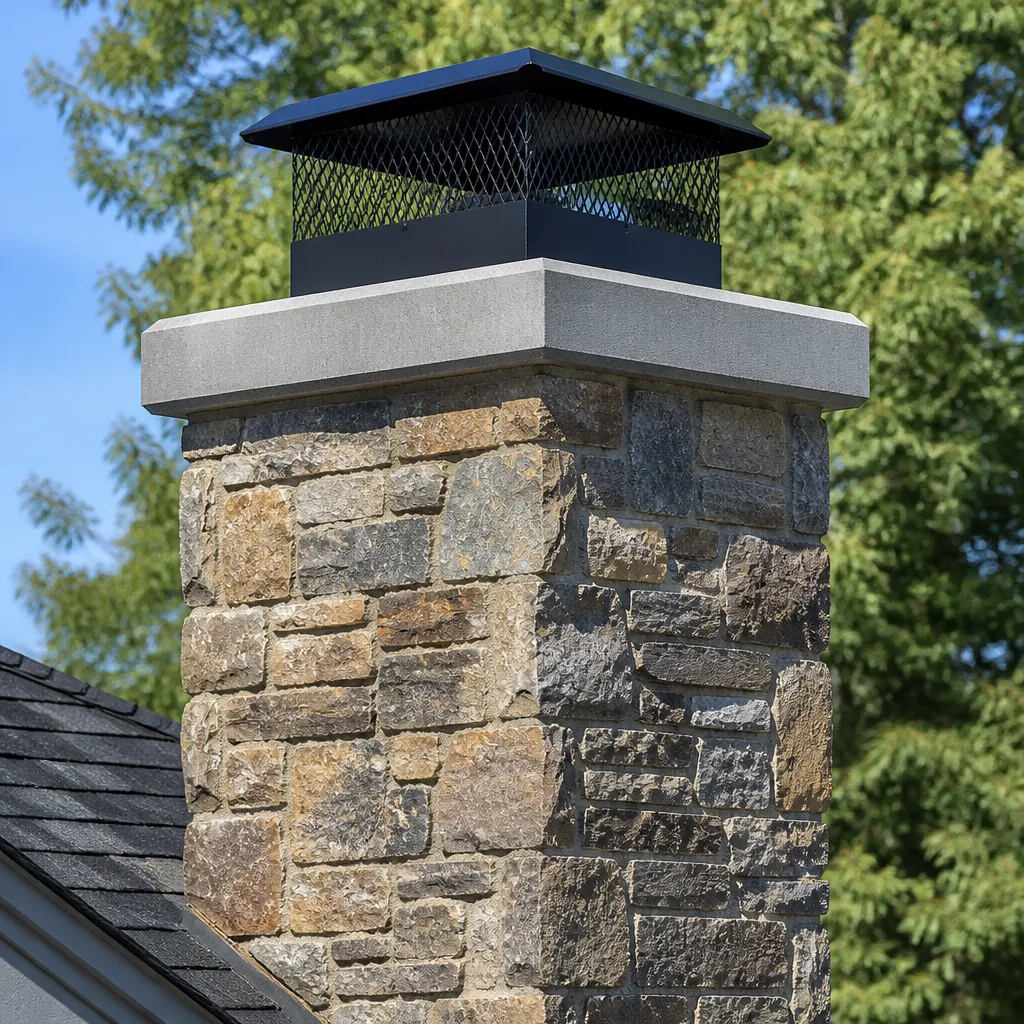 Caps & crowns
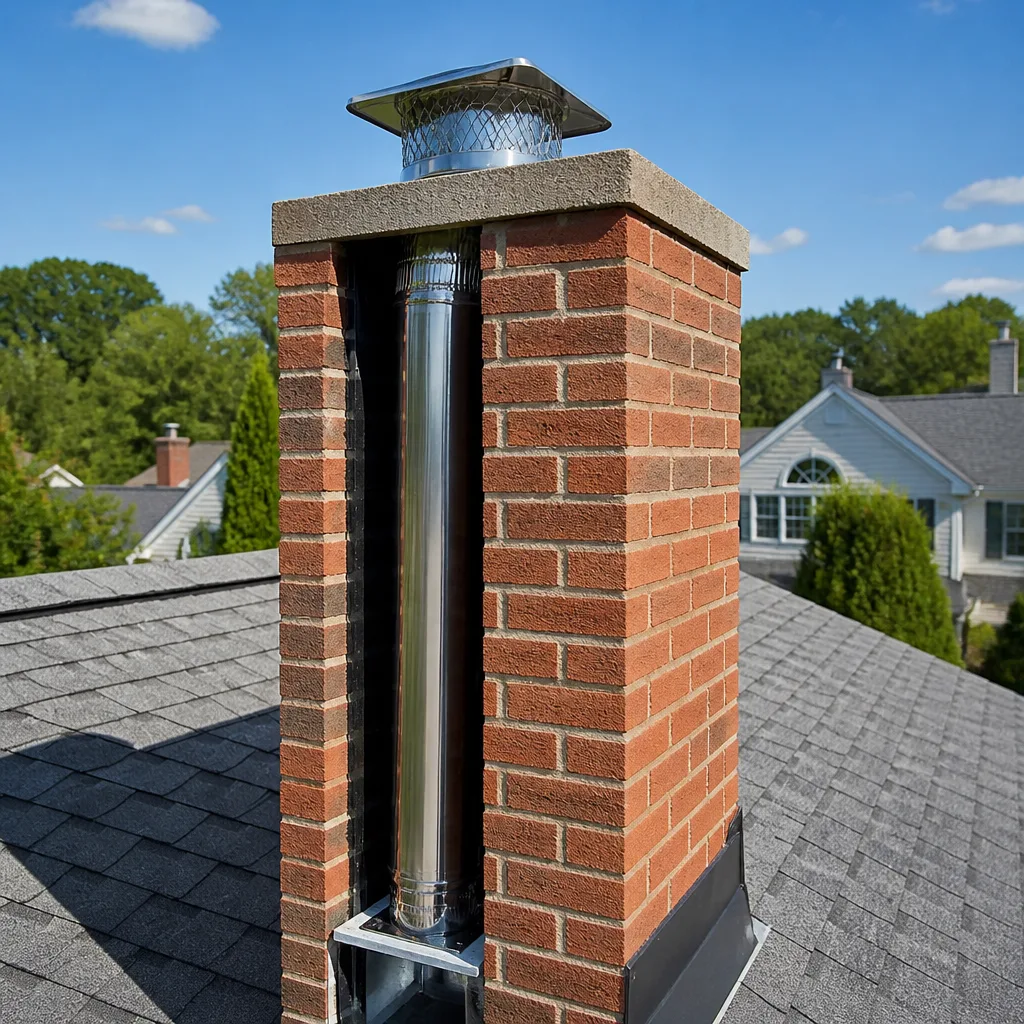 Flue relining
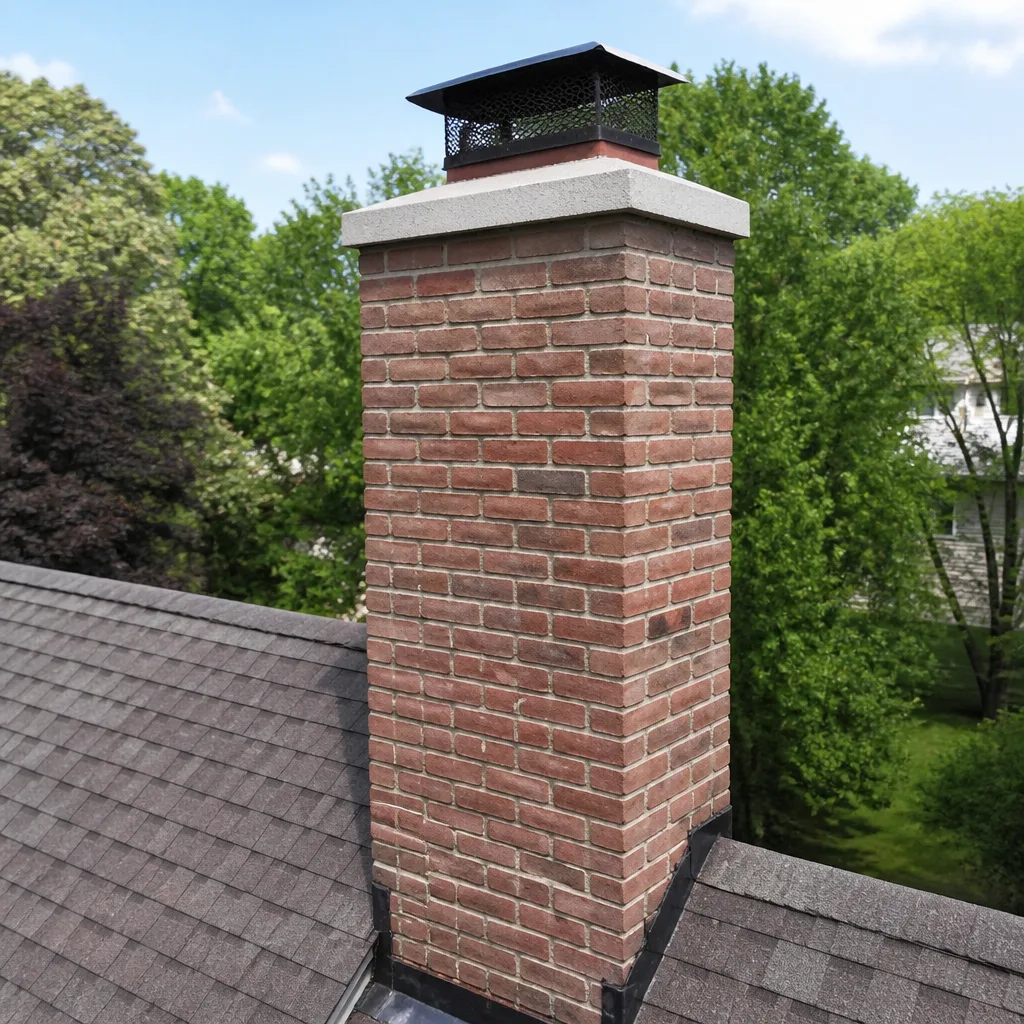 Masonry repair
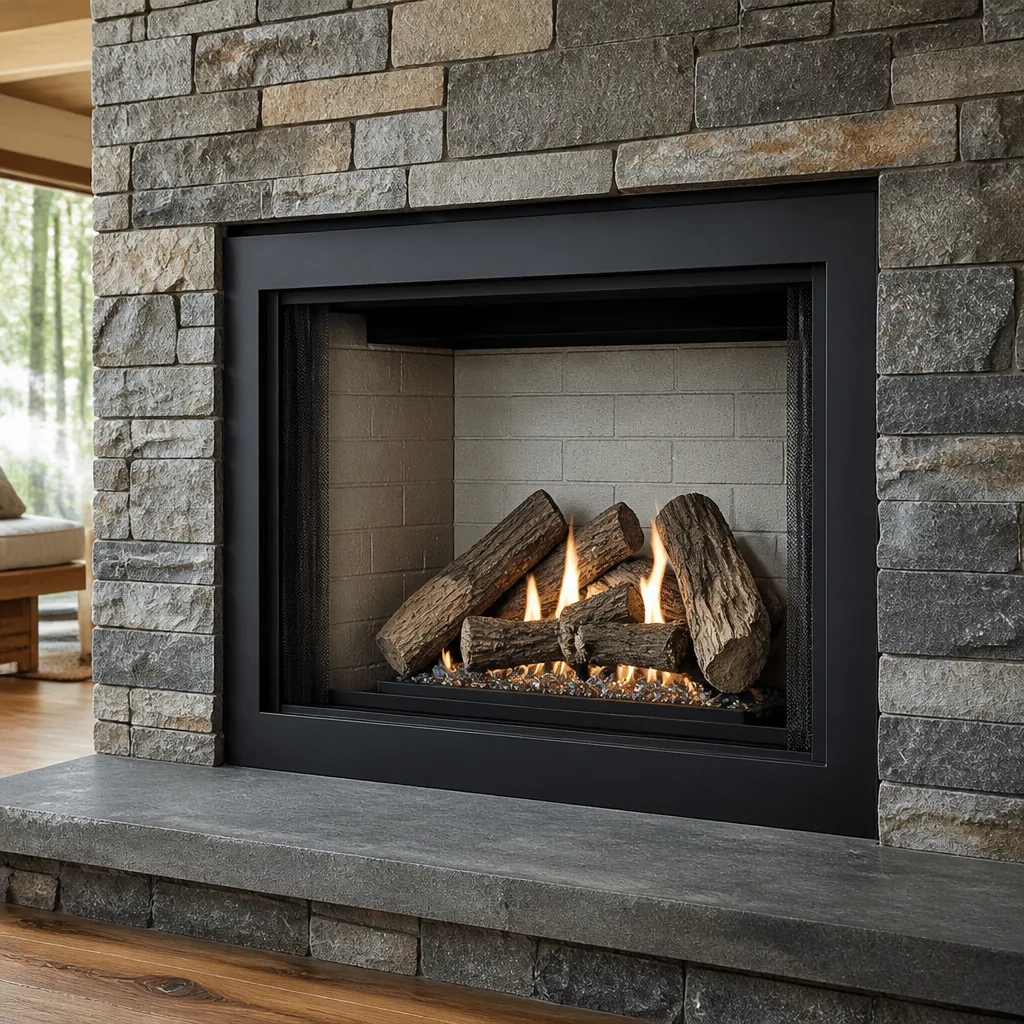 Gas fireplace service
Level 1 sweep and inspection to the NFPA 211 annual standard - flue, crown, cap, and flashing checked and photographed
Chimney sweep logs do not sweep chimneys. They loosen some creosote - which then falls where a brush and vacuum still have to collect it.
Chimney Cleaning Permits, Codes & Inspections in Charleston, NY: What You Need to Know
Most homeowners assume a chimney cleaning never needs a permit, and for a basic sweep they’re right. The surprise comes later. A liner replacement or a rebuilt crown is construction work, and in New York State that work sits under the building code whether anyone pulled a permit or not. The gap between “the job was done” and “the job was done legally” is where resale inspections get ugly, because a mandatory tear-out can be ordered for unpermitted work even when that work was installed correctly. This guide maps where the line falls in Charleston and Columbia County: what’s routine maintenance, what needs a permit, who enforces it, and what paperwork you should hold at the end.
Quick Answer
A routine chimney sweep in Charleston, NY is classified as maintenance and generally does not require a building permit. Structural or system changes do: liner replacement, firebox or masonry rebuilding, flue resizing, and new cap and crown construction typically fall under local building permits issued through the Town of Charleston, with inspection by the Columbia County code enforcement office. The safe rule for any homeowner is to call the town’s code office before the work starts and confirm what applies to your address.
Styles & brands we work with
- Sweep & inspection
- Caps & crowns
- Flue relining
- Masonry repair
- Gas fireplace service
Table of Contents
- What Counts as Routine Maintenance vs. Permitted Work in New York State
- How Permits Actually Work in Charleston and Columbia County
- NFPA 211: The Baseline Standard Behind Every Chimney Inspection in NY
- How Permit History Affects Insurance Claims After a Chimney Fire
- The Three Levels of Chimney Inspection and What Each One Documents
- What to Request From a Contractor to Prove Code-Compliant Completion
- Services That Trigger the Permit Question: Liner, Crown, Cap, and Masonry
- Why Unpermitted Chimney Work Surfaces at Home Sale
What Counts as Routine Maintenance vs. Permitted Work in New York State
The distinction in New York State is not about price or how long the job takes. It’s about whether the work changes the chimney system or simply restores it to the condition it was already in. Cleaning soot and creosote off the flue walls, replacing a damaged damper, or swapping a fire-screen doesn’t touch the structure. Replacing a liner does. Rebuilding the crown does. Adding a new cap assembly to a flue that never had one is closer to new construction than maintenance.
The legal source for this is the New York State Uniform Fire Prevention and Building Code, which most municipalities in Columbia County adopt and enforce locally. Chimney construction and alteration work in that code references NFPA 211, the national standard for chimneys, fireplaces, vents, and solid fuel appliances – the same standard that governs how an inspection is conducted and documented. When a code officer reviews a chimney permit application, NFPA 211 is the standard they’re checking against.
What usually needs a permit in this region:
- Liner replacement, including relining an older flue with a flexible stainless system
- Masonry repair involving the chimney structure itself – rebuilding above the roofline, re-pointing that affects structural integrity
- Firebox and smoke chamber rebuilding
- New crown construction or full replacement where the old crown is removed
- New cap and chase cover installation on a flue that never had one
- Flue resizing or changing the number of appliances vented into a single flue
What’s typically classified as maintenance:
- Chimney sweeping and creosote removal
- Level 1 and Level 2 inspections with no repair work
- Damper replacement that doesn’t modify the firebox
- Cap replacement when a cap already existed and no new penetration is cut
- Minor mortar work that doesn’t change the structure
In our experience, homeowners get tripped up on cap replacement – sometimes it’s maintenance, sometimes it’s a permitted alteration, and it depends entirely on whether the flue already had proper coverage. That’s a call the local code officer should make, not a guess.
How Permits Actually Work in Charleston and Columbia County
Columbia County enforces its building codes through a county-level code enforcement office, and the Town of Charleston issues permits under that framework. Homeowners in Charleston working on a chimney job are dealing with two layers: the town approves and issues, and the county inspects. That’s a real difference from a city where a single municipal office handles both ends.
The practical sequence for a chimney repair that requires a permit looks like this:
- Call the Town of Charleston code office before the work is scheduled. Give them the address, the scope of work (for example, “replace a damaged clay liner with a stainless liner system”), and ask if the job requires a building permit at that address.
- File the permit application if required. Most chimney permit applications need a scope description, the material specifications for the liner or cap being installed, and often a sketch or product data sheet showing the installation method.
- Get the approval and the inspection schedule in writing. Ask specifically what stage the county inspection occurs – liner permits are sometimes inspected after installation, sometimes at a mid-point, depending on the scope.
- Schedule the work. Nothing starts until the permit is in hand if one is required. Doing the work first and applying afterward is the pattern that causes tear-outs at resale.
- Request the county inspection after completion. The code officer signs off. Ask for a copy of the signed inspection report – that document is what proves the work was permitted and passed.
- File the paperwork with your home records. Keep the permit, the inspection sign-off, the material documentation, and the warranty in one folder. This is what a buyer’s inspector will want to see years down the line.
Contact the Town of Charleston municipal office directly for current permit forms and fees, and the Columbia County code enforcement office for inspection scheduling. The contact details and fee schedules change and aren’t something a chimney company should be quoting secondhand – the town is the authority on what your specific address requires.
NFPA 211: The Baseline Standard Behind Every Chimney Inspection in NY
NFPA 211 is the standard that most chimney inspectors, code officers, and insurance adjusters in New York are working from, whether or not they name it out loud. It covers clearances to combustibles, flue sizing, liner condition, cap requirements, and how a chimney inspection should be conducted and what should be documented. It is the reference point that makes an inspection objectively reviewable.
This matters more than most homeowners realize. When an inspection report says “the flue shows evidence of stage 3 creosote and the liner tile joints are offset,” a code officer or adjuster can go back to NFPA 211 and check whether the finding was recorded correctly and whether the recommendations match the standard. When a report says “chimney needs work” with nothing else, the same officer has nothing to evaluate against.
An NFPA 211-informed inspection on a Charleston chimney typically documents:
- Exterior condition of the chimney, crown, and cap
- Accessible interior components – damper, smoke chamber, firebox
- Flue liner condition as observed with a camera
- Clearances to combustible framing at accessible points
- Evidence of creosote accumulation and stage
- Any observed conditions that would require repair or further review
Not every inspection in Charleston produces that level of documentation, and the difference matters at resale, at insurance claim time, and when you’re trying to make a decision about repair work. Ask any inspector you hire what standard they document to before you book.
How Permit History Affects Insurance Claims After a Chimney Fire
Chimney fires happen, and when they do, insurance carriers investigate the cause. The investigation looks for two things: whether the fire was a covered event, and whether the chimney system was maintained and installed to code. Unpermitted chimney work is often the deciding factor. A carrier can dispute coverage for damage stemming from work that wasn’t permitted or that left the system non-compliant, even if the fire itself started elsewhere in the flue.
The permit history is the trace. It shows a code officer reviewed the work, inspected the installation, and signed off. That single document – the inspection report with a signature – is often what an adjuster is looking for when they ask for the chimney records.
Three documents carry the most weight in a chimney fire claim:
- The building permit and sign-off if the work involved a liner, masonry, or crown replacement
- The inspection report from the last Level 2 inspection, showing the system’s condition going in
- The sweep records showing regular cleaning and creosote maintenance
Missing permit history doesn’t automatically deny a claim, but it makes the claim harder and the payout likely smaller. Our advice to Charleston homeowners is the same in both directions: get the paperwork at the time the work is done, because reconstructing it after a fire is expensive and sometimes impossible.
The Three Levels of Chimney Inspection and What Each One Documents
Chimney inspections aren’t one service with one price. NFPA 211 defines three levels, each with a different scope and a different documentation burden. Knowing which level applies to your situation is what stops you from paying for more inspection than you need – or buying less than the work requires.
Level 1 inspection. Visual inspection of readily accessible components with no tools beyond a flashlight. Recommended annually for a chimney under regular use with no changes to the system. Thin documentation – findings are recorded, but the report is usually a page.
Level 2 inspection. Everything in Level 1, plus visual inspection of accessible portions of the chimney interior using a camera, and the attic, crawlspace, and other accessible areas where the chimney passes through. Required when the appliance changes, after a chimney fire or earthquake, when a property is being sold, or when a Level 1 finding can’t be resolved without more information. This is the level most Charleston home sales trigger, and it’s the one that produces a usable camera record.
Level 3 inspection. The most invasive level – it involves opening concealed areas of the structure to inspect components that can’t otherwise be reached. Reserved for situations where a serious hazard is suspected and diagnosis requires access. This is a rare inspection, and it’s not something to commission unless a lower-level inspection has already flagged a specific concern.
For most Charleston homeowners, the working pattern is a Level 1 each year alongside the sweep, and a Level 2 whenever something about the system changes – new insert, new liner, a fire, or a pending sale. Ask for the inspection report in writing regardless of level, and ask what level you’re getting before the appointment.
What to Request From a Contractor to Prove Code-Compliant Completion
Every chimney contractor in Charleston should be able to hand you a paperwork packet at the end of a permitted job. The packet is the evidence trail that the work was done right, and it’s what protects the homeowner in a resale, a claim, or a dispute five years later.
Ask for these four documents on every permitted chimney project:
- The building permit and the county inspection sign-off. The signed inspection report is the single most important document. Without it, you have no third-party confirmation the work passed.
- Material documentation. For a liner, that means the manufacturer’s data sheet for the specific product installed – DuraFlex or Olympia Chimney flexible liners, for example – showing the model, the UL listing, and the specifications it was installed to.
- A written description of the installation method. How the liner was secured at the top and bottom, whether insulation was used, what size the flue was reduced to, and how the connection to the appliance was made. This is what an inspector or adjuster will read to evaluate the work.
- The manufacturer’s warranty and the installer’s workmanship warranty in writing. Most liner manufacturers require installation by a qualified installer to honor the warranty. Get the warranty document, not a verbal assurance.
If a contractor can’t produce these documents on a permitted job, that’s information worth having before you sign. Our technicians have up to 12 years of experience with liner systems, cap and crown construction, and HeatShield resurfacing, and we build the documentation packet as part of the work rather than after the customer asks. For liner connections and cap work that crosses into a permitted job, we can coordinate with the town and county process so the homeowner isn’t holding the paperwork burden alone.
Services That Trigger the Permit Question: Liner, Crown, Cap, and Masonry
Not every chimney service in Charleston triggers a permit, but the ones that do are the ones that cost the most, so getting the classification right at the start saves the most. Here’s how the major categories sort out.
Chimney sweep. Routine cleaning. No permit. A chimney sweep removes creosote and soot and leaves the system in the condition it was already in. If it’s been more than a season since the last cleaning, book the sweep before the burning season starts.
Fireplace repair. The permit question depends entirely on scope. Damper replacement and glass or door repair are maintenance. Rebuilding the firebox, replacing a damaged fireback, or changing the smoke chamber are structural and typically permitted. The line is whether the firebox is modified or restored.
Liner replacement. Permitted work in New York State, and the one to get right. A chimney repair that involves liner replacement needs the permit and the county inspection. Flexible systems like DuraFlex are commonly specified for older Charleston flues with offsets that rigid liners can’t navigate – the installation method has to be documented correctly for the county inspector.
Cap and crown. Crown replacement and new cap construction are permitted work. Cap replacement where a cap existed is usually maintenance. Chimney cap & crown work is where water intrusion gets stopped, and the installation has to be done to spec – a cap that’s undersized or a crown that doesn’t shed water properly just delays the damage.
Liner resurfacing. HeatShield resurfacing restores a deteriorated flue without a full liner replacement in some cases. Whether that’s permitted work depends on how the town classifies it locally; it’s a good example of a service where calling the code office before booking is worth five minutes of your time.
In each of these categories, we work to the standard NFPA 211 sets and to the specifications the manufacturer publishes, using brands including DuraFlex and Olympia Chimney on flexible liner jobs, Copperfield on cap and crown work, and Famco on related components. That’s what the county inspector will be checking against.
Why Unpermitted Chimney Work Surfaces at Home Sale
A home sale is where unpermitted chimney work stops being theoretical. The buyer’s inspector runs a Level 2 inspection, checks the chimney against its records, and finds a liner replacement with no permit in the town file. That finding goes into the inspection report, and the buyer’s attorney makes it a condition of the sale – usually a request for the seller to file a permit after the fact, tear out the work and redo it, or credit money at closing.
The tear-out scenario is the one that costs the most. If the code officer determines the work was done without a permit and can’t be verified, the requirement can be full removal and reinstallation to a permitted standard – even if the original work was installed correctly. A job that cost a few thousand dollars on the front end becomes a doubled cost at the wrong moment.
Homeowners planning to sell a Charleston property in the next few years should do a chimney record check now rather than at contract time. The steps are simple:
- Pull the permit history for the address from the Town of Charleston office.
- Compare what the permit file shows against what’s actually installed on the chimney – liner type, cap, crown, any masonry repair visible.
- If work was done without a permit, talk to the code office about the remediation path before a buyer’s inspector finds it.
- Get a Level 2 inspection to document the current condition, so the record going forward is defensible.
The alternative – hoping the buyer’s inspector doesn’t catch it – is a bet against the odds, and it’s the wrong bet when the fix is often a paperwork correction rather than a tear-out.
Common Mistakes to Avoid
- Assuming a permit is never needed because the original job was a sweep. A sweep and a liner replacement are different classifications. Confirm the scope before booking the work.
- Doing the work first and asking the permit question afterward. The permit has to come before the installation. Applying afterward is what triggers a tear-out at resale.
- Relying on a verbal “it’s fine, this doesn’t need a permit” from the contractor. The authority on whether your address needs a permit is the Town of Charleston code office, not the person selling the installation. Call and ask.
- Skipping the Level 2 inspection at a home sale. A tight Level 1 report doesn’t substitute for the camera-in-flue Level 2 most buyers’ inspectors are running. Get the Level 2 done proactively.
- Not keeping the inspection sign-off. Homeowners file the invoice and lose the county inspection report. The invoice shows you paid; the sign-off shows the work passed.
- Treating cap replacement as always maintenance. It depends on whether a cap was there before. New cap construction is a permitted alteration. Existing cap replacement usually isn’t.
- Not checking whether the liner manufacturer’s warranty survived the installation. A liner installed outside the manufacturer’s specification voids the warranty even when the installation passed its permit inspection.
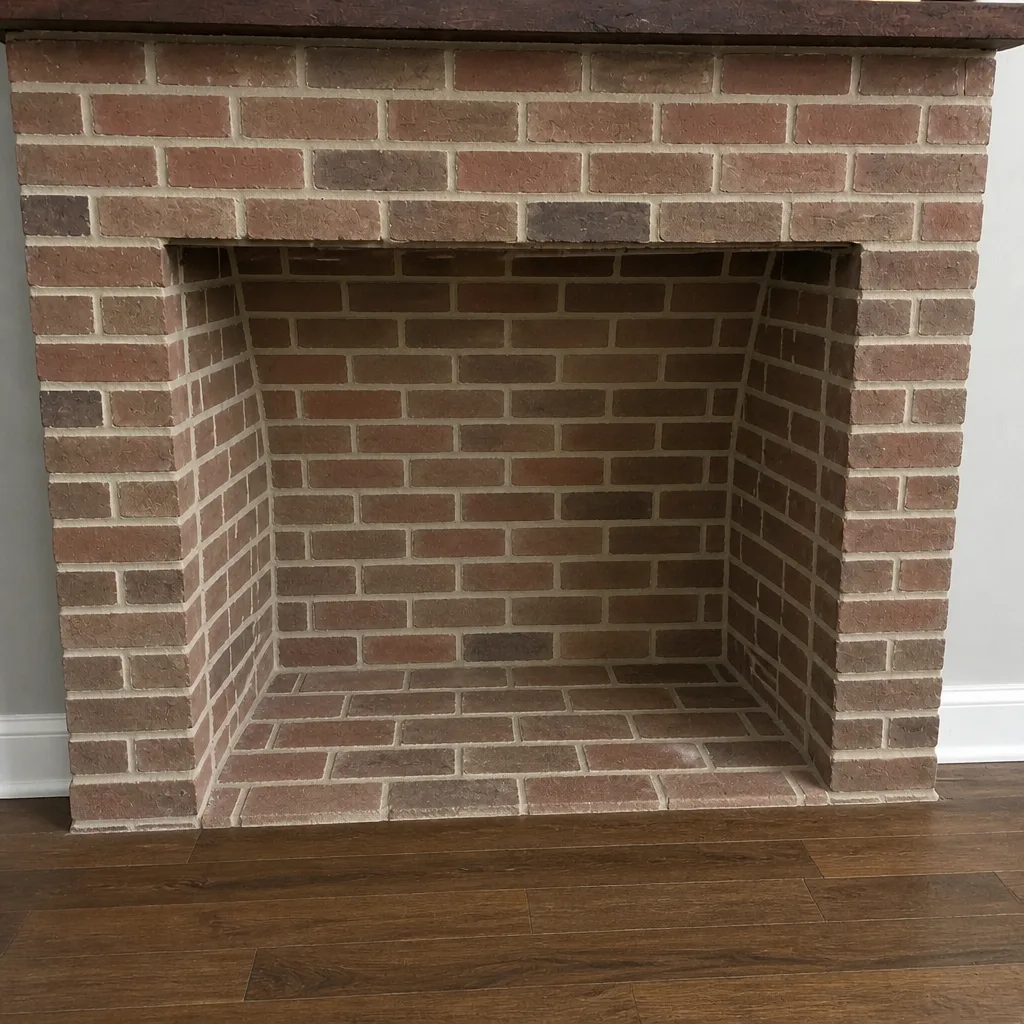
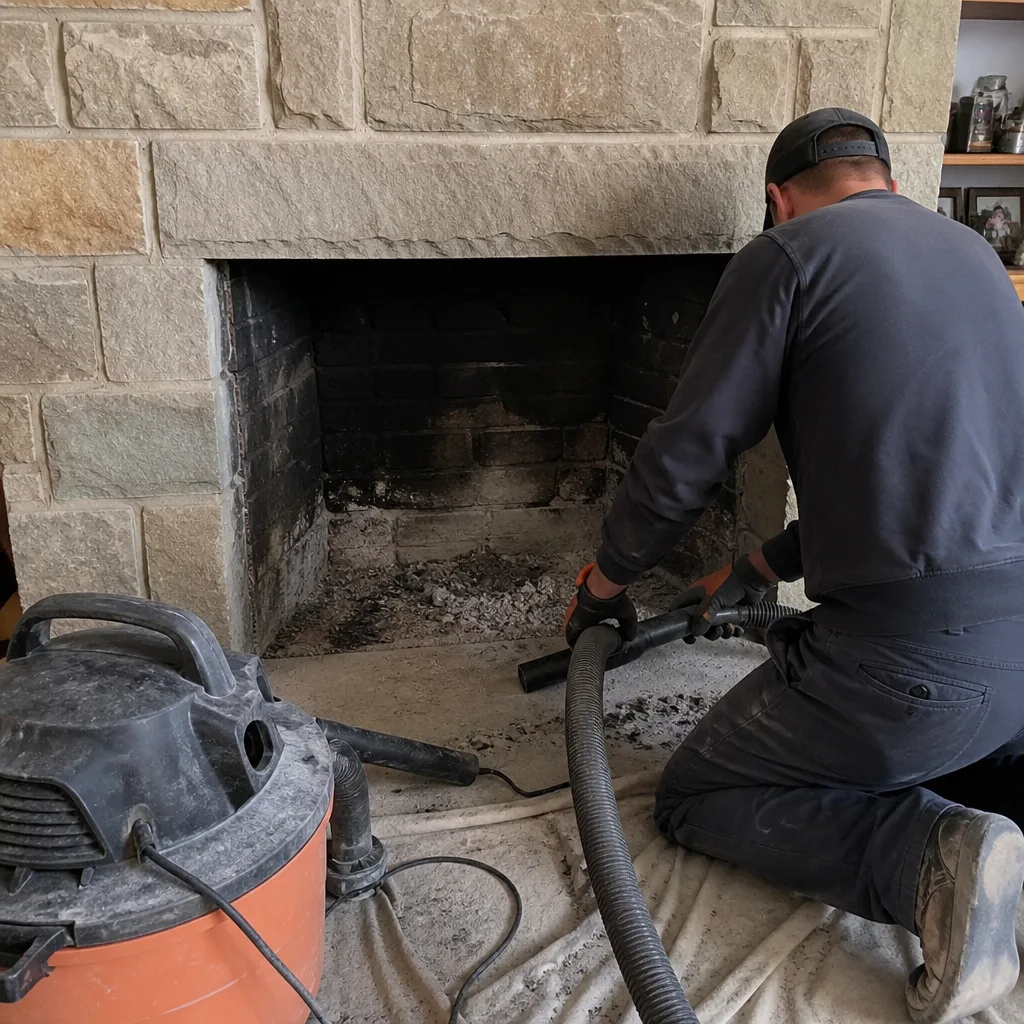
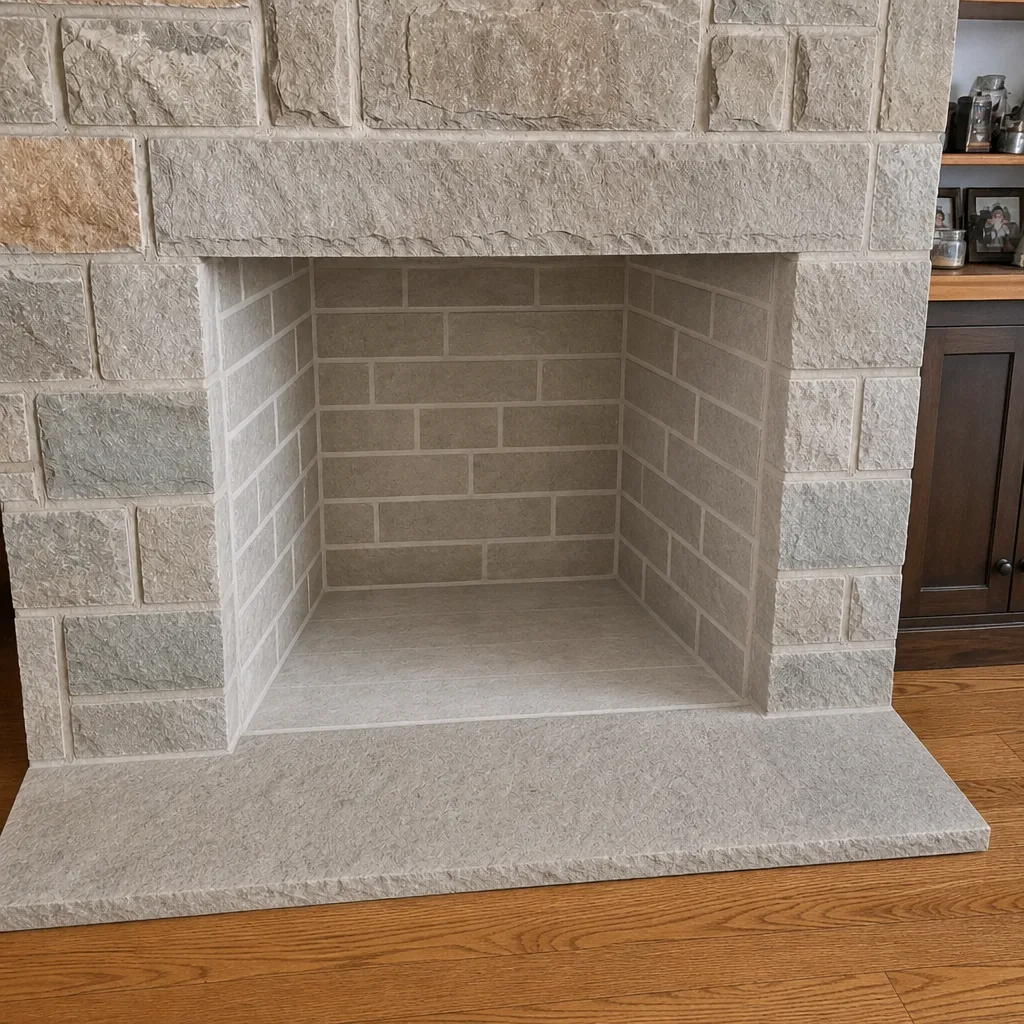
See the difference
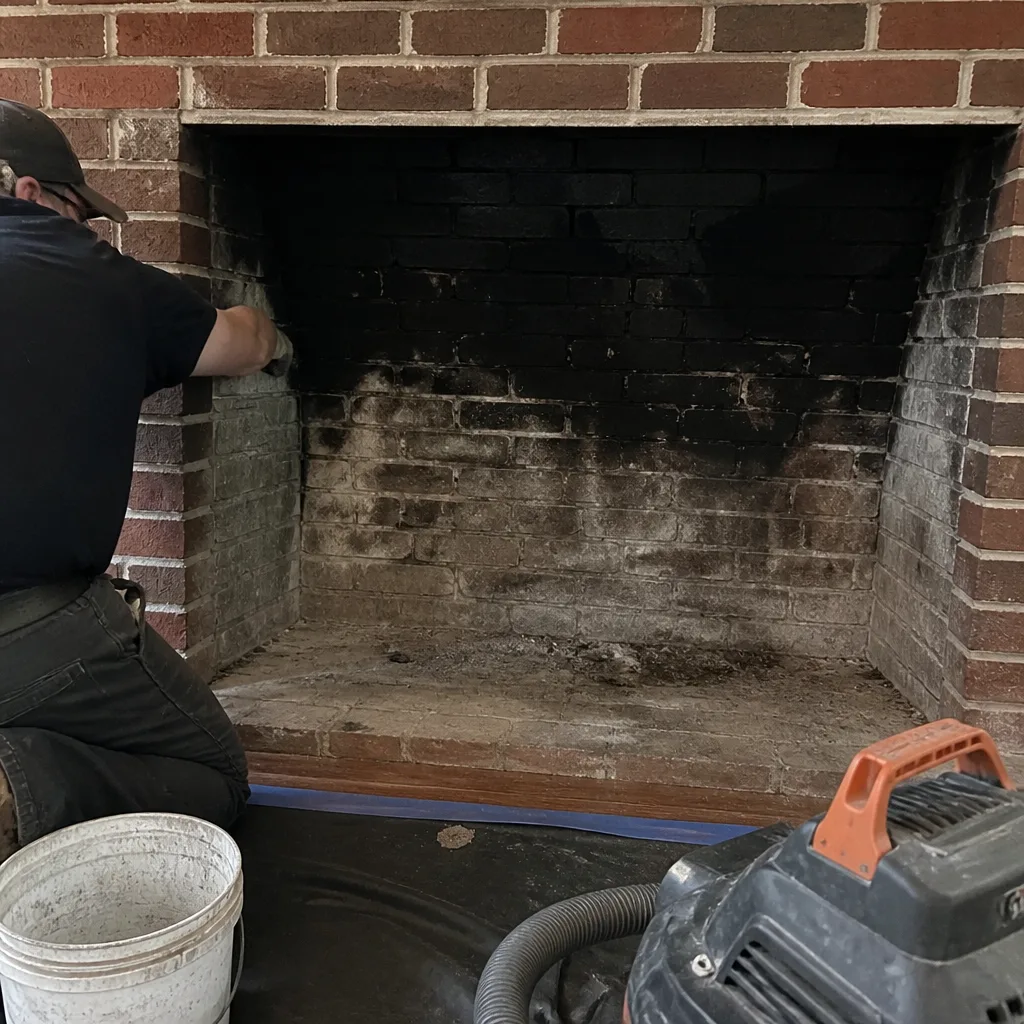 Before
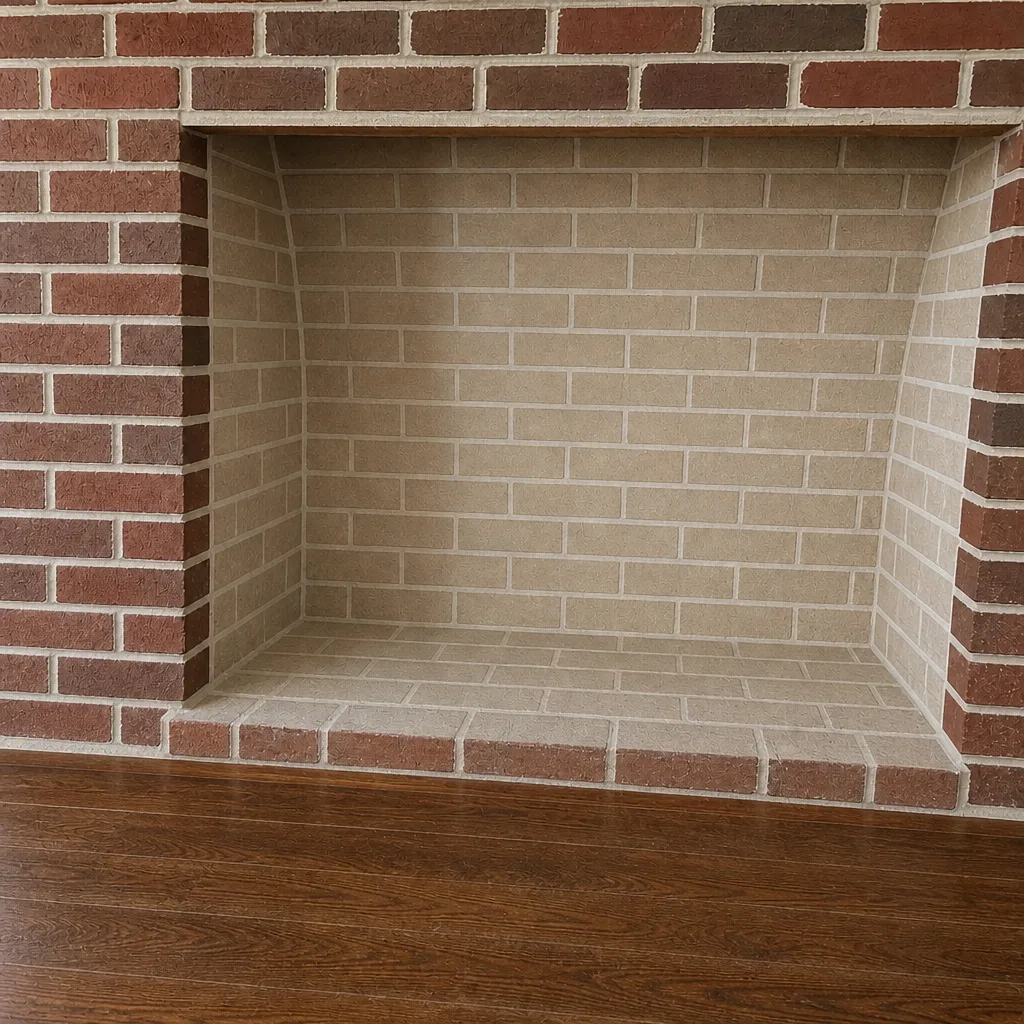 After
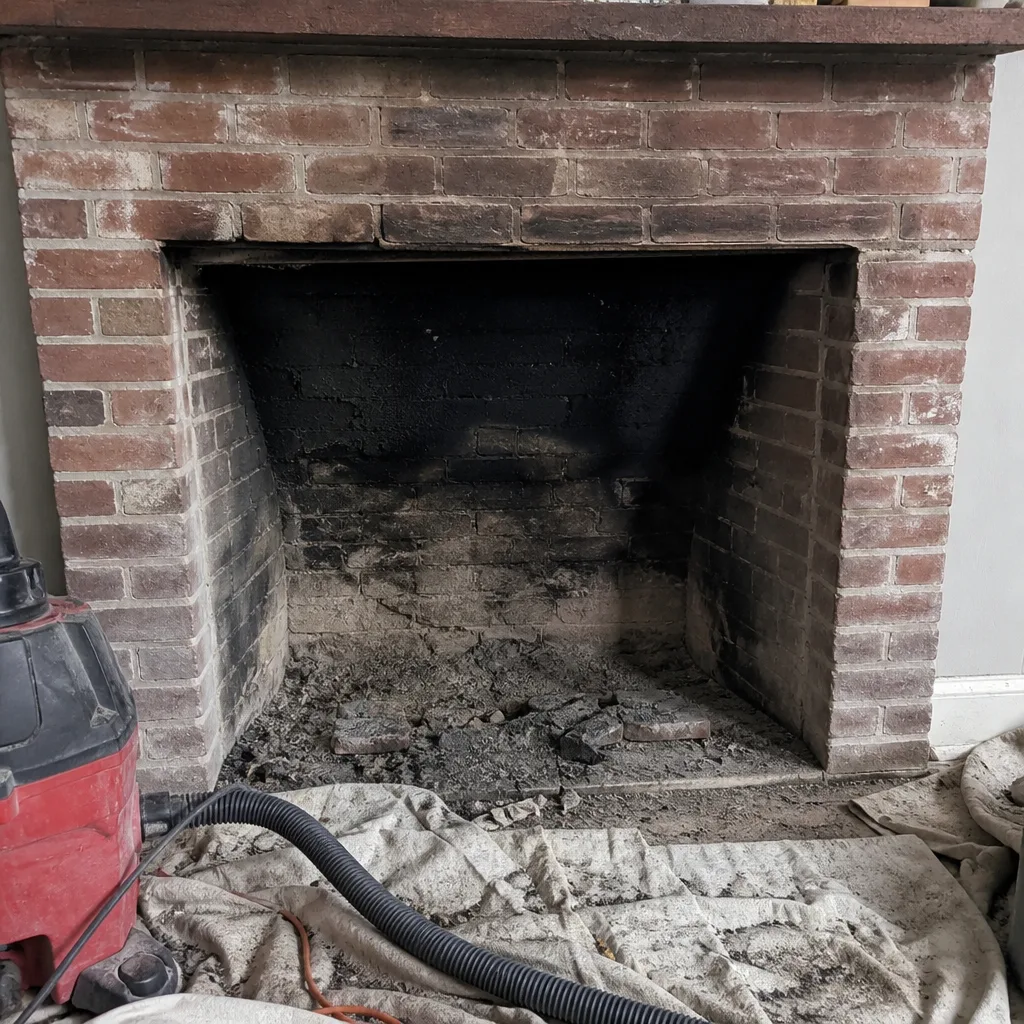 Before
 After
 Before
 After
When to Call a Professional
Some chimney work in Charleston is safely a call you make on your own schedule – an annual sweep, a Level 1 inspection, a cap replacement where a cap already existed. Other situations need a qualified professional in the chimney and a decision about permits made before the work gets scheduled. If your flue has visible damage, if a previous inspection flagged a liner issue, if the firebox is showing cracks that go through the masonry, or if you’re buying or selling a property in Charleston with an active fireplace, that’s a call-in-the-professional situation. The same is true after any chimney fire, even a small one. High-tension components, gas lines feeding a fireplace, and any structural work above the roofline are not homeowner territory. Charleston Chimney Sweep Pros offers free estimates in Charleston – call (833) 509-4937. We answer 24/7. Fast dispatch from 7am to 7pm, Sunday through Friday.
Frequently Asked Questions
No. A routine chimney sweep in Charleston, NY is classified as maintenance and does not require a building permit. Structural work does – liner replacement, firebox rebuilding, crown replacement, and new cap construction typically require a permit through the Town of Charleston with inspection by the Columbia County code enforcement office. Call (833) 509-4937 for a free estimate on any chimney service in Charleston – the sweep itself is maintenance, and we’ll tell you straight if a repair scope needs a permit.
Ask the Town of Charleston code office directly, describing the scope of work by what’s being changed – for example, “replace a damaged clay liner with a flexible stainless liner.” If the work adds to or changes the chimney system, it likely needs a permit. If it restores the existing condition, it usually doesn’t. Don’t rely on the contractor’s opinion alone; the town is the authority. If you want a free written scope to bring to the code office, call (833) 509-4937.
NFPA 211 is the national standard for chimneys, fireplaces, vents, and solid fuel appliances – it’s what code officers in Columbia County and most of New York State check chimney work against. An inspection report that documents against NFPA 211 is one a code officer or insurance adjuster can actually evaluate. A report that doesn’t, isn’t. When you book an inspection, ask what standard the report will document to. Call (833) 509-4937 for a free estimate on an inspection or repair.
Yes. After a chimney fire, insurance carriers investigate whether the system was maintained and installed to code, and unpermitted work is often the deciding factor in a coverage dispute – carriers can dispute damage stemming from non-compliant work. The permit and inspection sign-off are the trace that shows the work was reviewed. If you have a claim pending or a chimney that hasn’t been inspected since a repair, call (833) 509-4937 for a free estimate on a Level 2 inspection.
Very likely, yes. The buyer’s inspector will run a Level 2 inspection during the sale and compare what’s installed against the permit history on file with the Town of Charleston. A liner replacement with no permit in the file usually becomes a condition of the sale – a request to file after the fact, tear out and redo, or take a credit at closing. Do the record check now rather than at contract time. Call (833) 509-4937 for a free estimate on the Level 2 inspection that documents your chimney’s current condition.
The permit and county inspection sign-off if the work was permitted; the manufacturer’s data sheet for the liner or cap installed; a written description of the installation method; and both the manufacturer warranty and the installer’s workmanship warranty in writing. Without those four, you don’t have documents a code officer or adjuster can evaluate. Our technicians have up to 12 years of experience on liner systems, cap and crown construction, and resurfacing, and we build the documentation packet as part of the job. Call (833) 509-4937 for a free estimate.
It depends on what the camera inspection finds. A deteriorated flue can sometimes be restored with HeatShield resurfacing rather than a full liner replacement, which is a real cost saving when the flue geometry allows it – HeatShield is the industry’s leading resurfacing system, and it’s one option most sweep-only companies can’t offer. Whether it applies to your Charleston chimney is a question the inspection answers. Call (833) 509-4937 for a free estimate on an inspection – nothing gets recommended before you’ve seen the camera evidence.
Annually for a Level 1 inspection alongside the annual sweep if the fireplace is used regularly. A Level 2 inspection is triggered whenever the system changes – a new insert, a new liner, a chimney fire, or a pending home sale. The Charleston climate and the length of the burning season shape how much creosote builds up, but the annual inspection is the baseline. If it’s been more than a year, call (833) 509-4937 for a free estimate – the estimate is free and the inspection report is in writing.
The Bottom Line
A chimney sweep in Charleston, NY is maintenance and doesn’t need a permit. Liner replacement, firebox rebuilding, crown replacement, and new cap construction typically do – the work gets permitted through the Town of Charleston and inspected by Columbia County. NFPA 211 is the standard the code officer checks against, so the inspection report should document to it. The permit history is what protects you at insurance claim time and at home sale, and it’s the difference between a paperwork correction and a mandatory tear-out. Get the permit before the work, keep the inspection sign-off, and hold on to the material and warranty documents. The chimney system in your Charleston home deserves the same paper trail as the rest of the house.
Charleston Chimney Sweep Pros offers free estimates in Charleston on sweeping, inspections, fireplace repair, chimney repair, and cap & crown installation. We work with DuraFlex, HeatShield, Copperfield, Olympia Chimney, and Famco – the materials specified by chimney engineers. One company handles the inspection, the cleaning, and the repair, so the finding and the fix come from the same team. Call (833) 509-4937. We answer 24/7. Fast dispatch from 7am to 7pm, Sunday through Friday. If you want to start with the sweep before you decide on anything else, visit Charleston Chimney Sweep Pros or our fireplace repair page for related work.
Written by the team at Charleston Chimney Sweep Pros.