
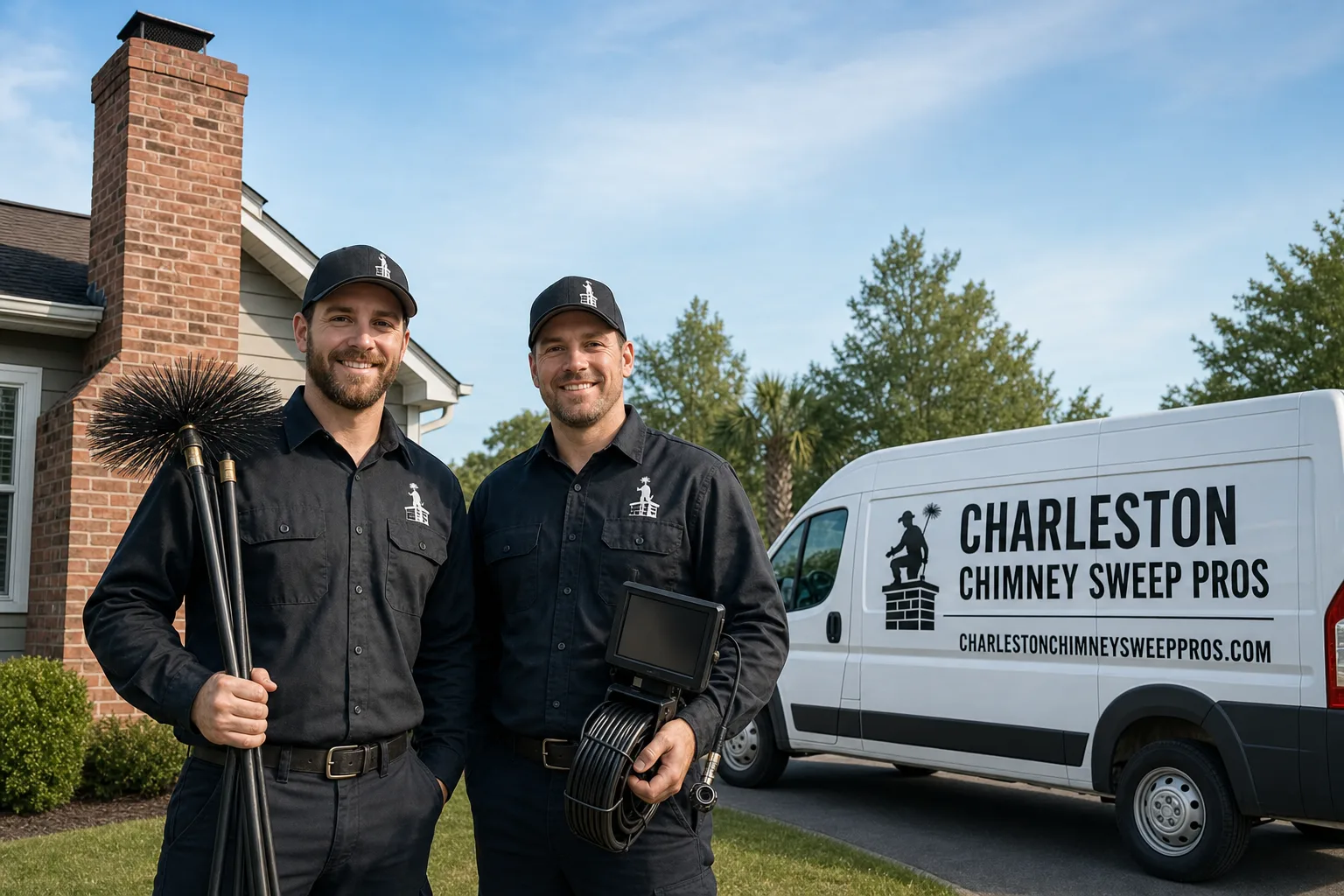
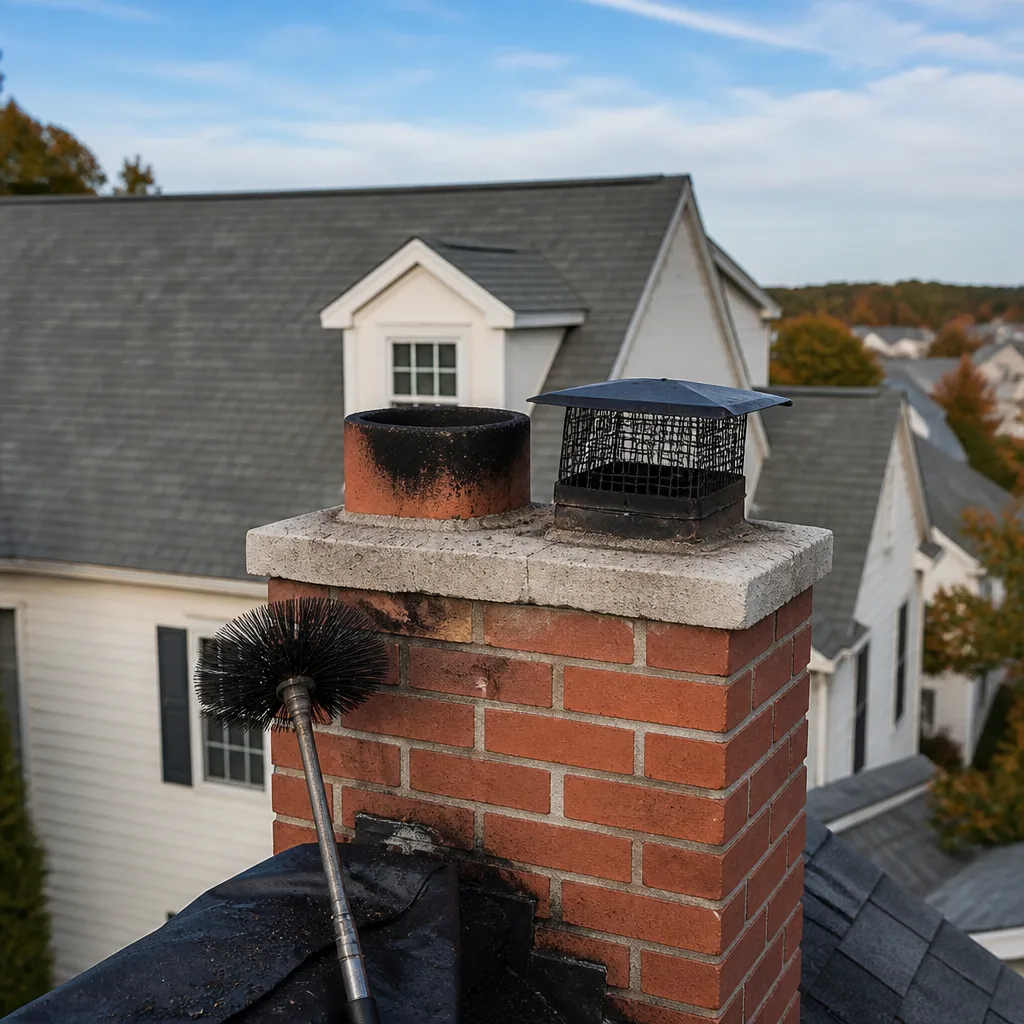
 Sweep & inspection
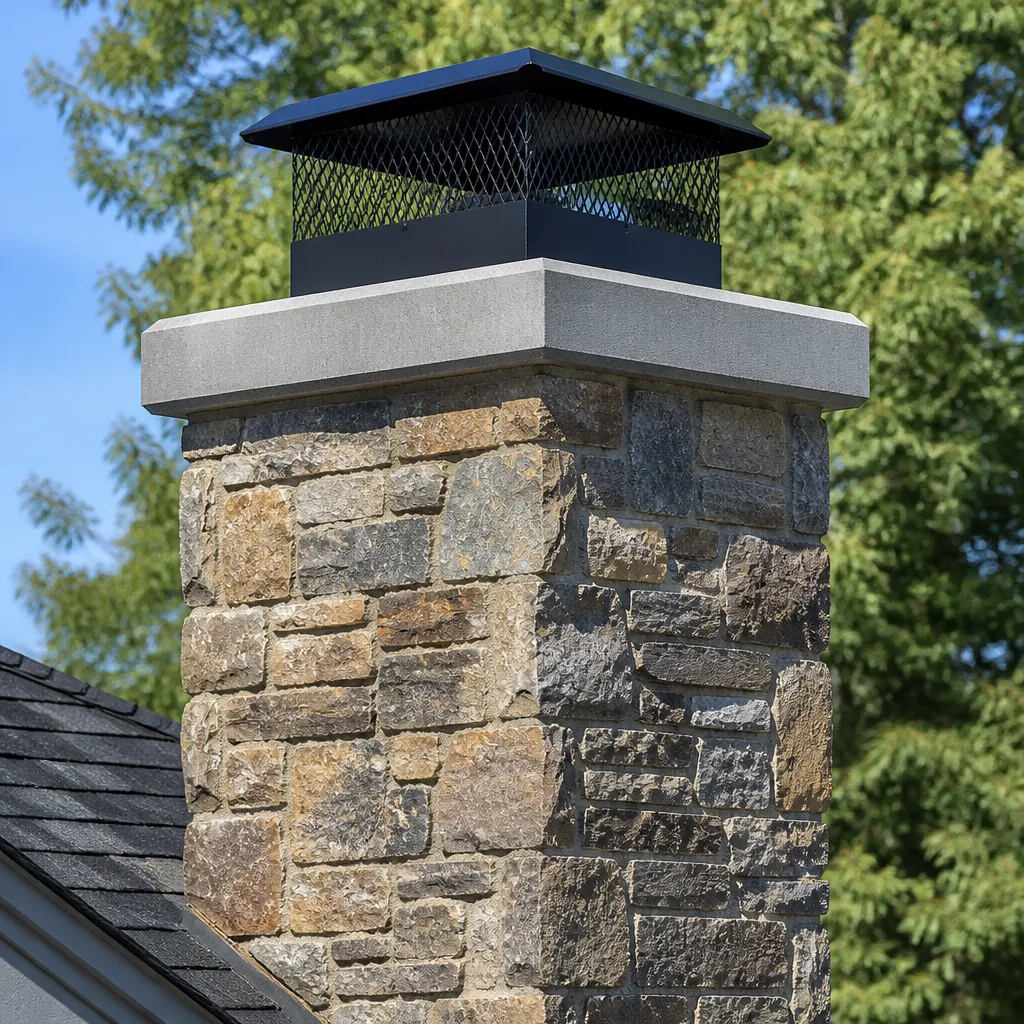 Caps & crowns
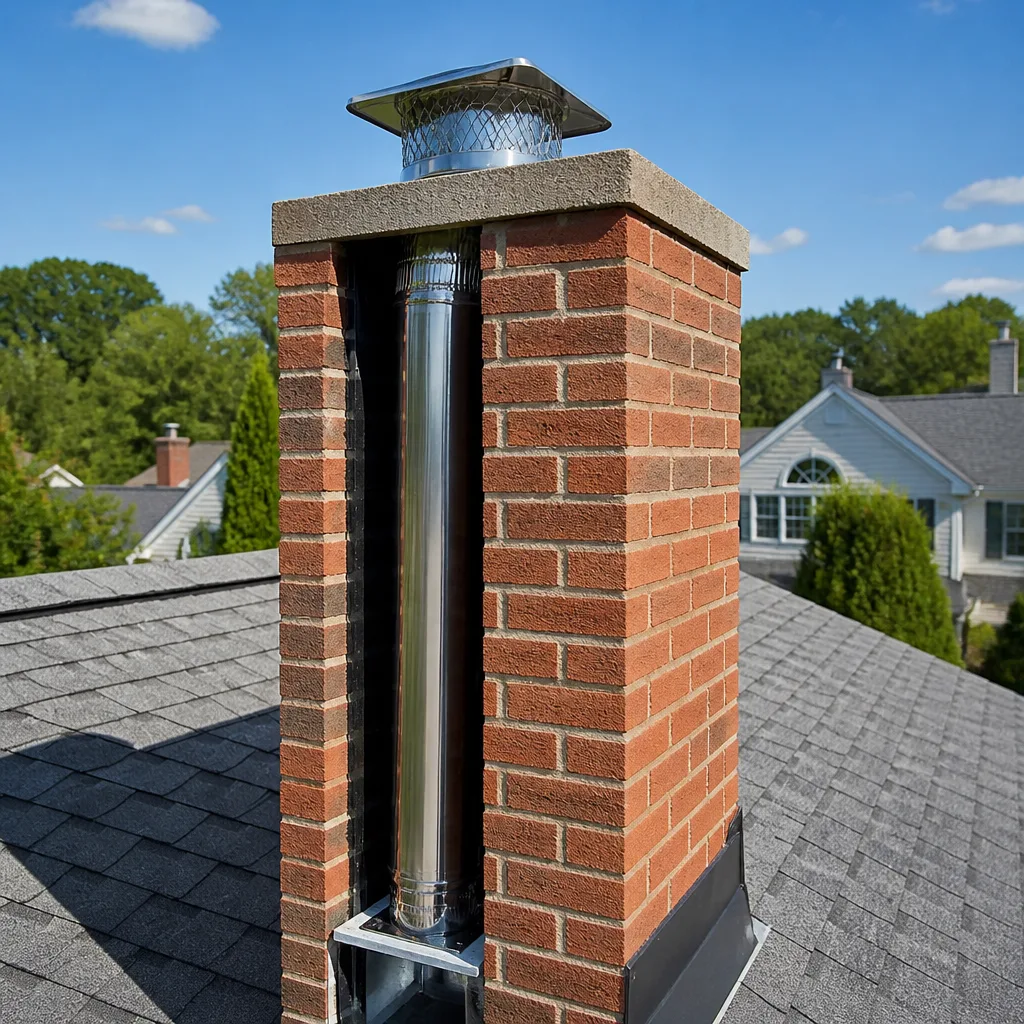 Flue relining
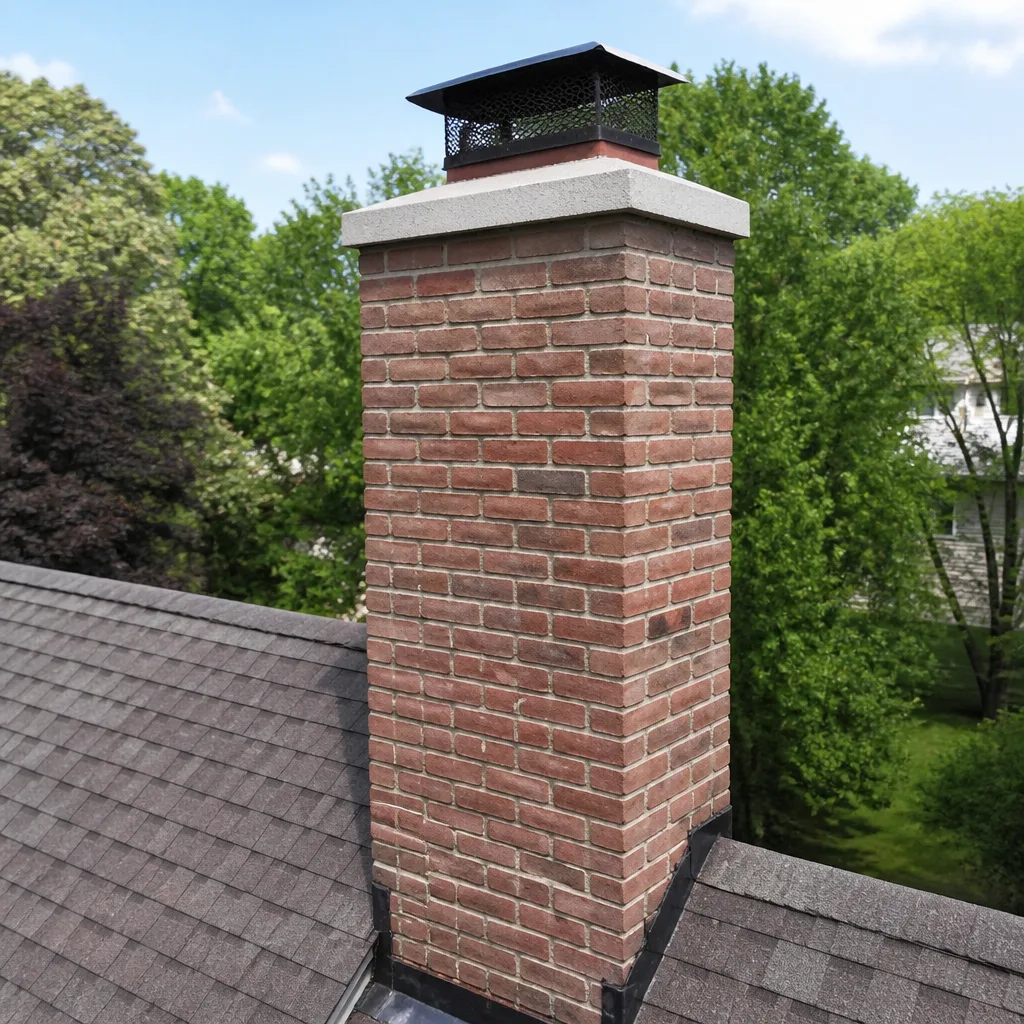 Masonry repair
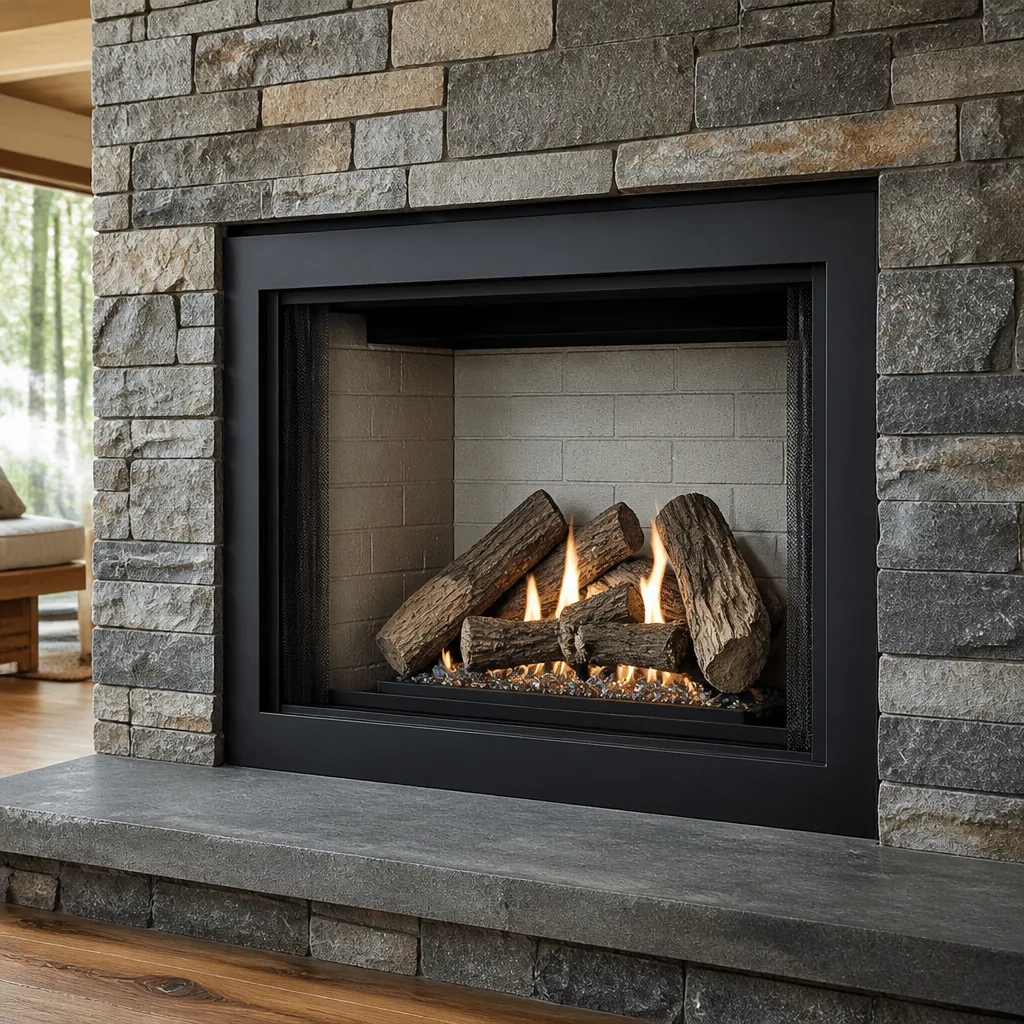 Gas fireplace service
Level 1 sweep and inspection to the NFPA 211 annual standard - flue, crown, cap, and flashing checked and photographed
Chimney sweep logs do not sweep chimneys. They loosen some creosote - which then falls where a brush and vacuum still have to collect it.
Fast, Reliable Fireplace Repair Across Great Kills
If your fireplace is smoking into the room, the damper won’t close, or the firebox smells like the harbor at low tide, you need someone who understands how Great Kills chimneys are built and why they fail. We handle fireplace repair across Great Kills and the surrounding South Shore, and we work on the whole system, not just the firebox face. Gas logs that won’t light, inserts vented into the wrong flue, cracked clay tiles behind the smoke chamber: if it’s part of your chimney, it’s in our scope. Call (833) 509-4937 for a free estimate, and we’ll book a sweep and camera inspection so you can see the problem before anyone quotes a repair.
Why Great Kills Homeowners Call Charleston Chimney Sweep Pros for Fireplace Repair
Great Kills is a coastal Staten Island neighborhood, and that shapes the work. Salt air and nor’easters push masonry deterioration faster here than in inland parts of the borough, so a routine cleaning in Great Kills doubles as an inspection for spalling brick and crumbling crown mortar. We build every visit around that reality.
Our technicians have up to 12 years of experience, and they’ve worked on the post-war brick homes that line the shorefront blocks and the streets running back from Hylan Boulevard toward the water. That means we know the failure patterns before we climb the roof: original clay flue tiles that cracked decades ago, inserts dropped in without a correctly sized liner, caps torn off by the last storm. We serve Great Kills and treat the whole chimney system as one piece, so the company that finds the problem is the company that fixes it.
We handle the full system: sweeping, inspection, fireplace repair, chimney repair, and cap and crown installation. No handoffs to a different crew, no gap between who diagnosed the issue and who does the work. Pricing is set per job by a written estimate you approve before anything starts.
Styles & brands we work with
- Sweep & inspection
- Caps & crowns
- Flue relining
- Masonry repair
- Gas fireplace service
Our Fireplace Repair Services in Great Kills
Wood Burning Fireplace Repair
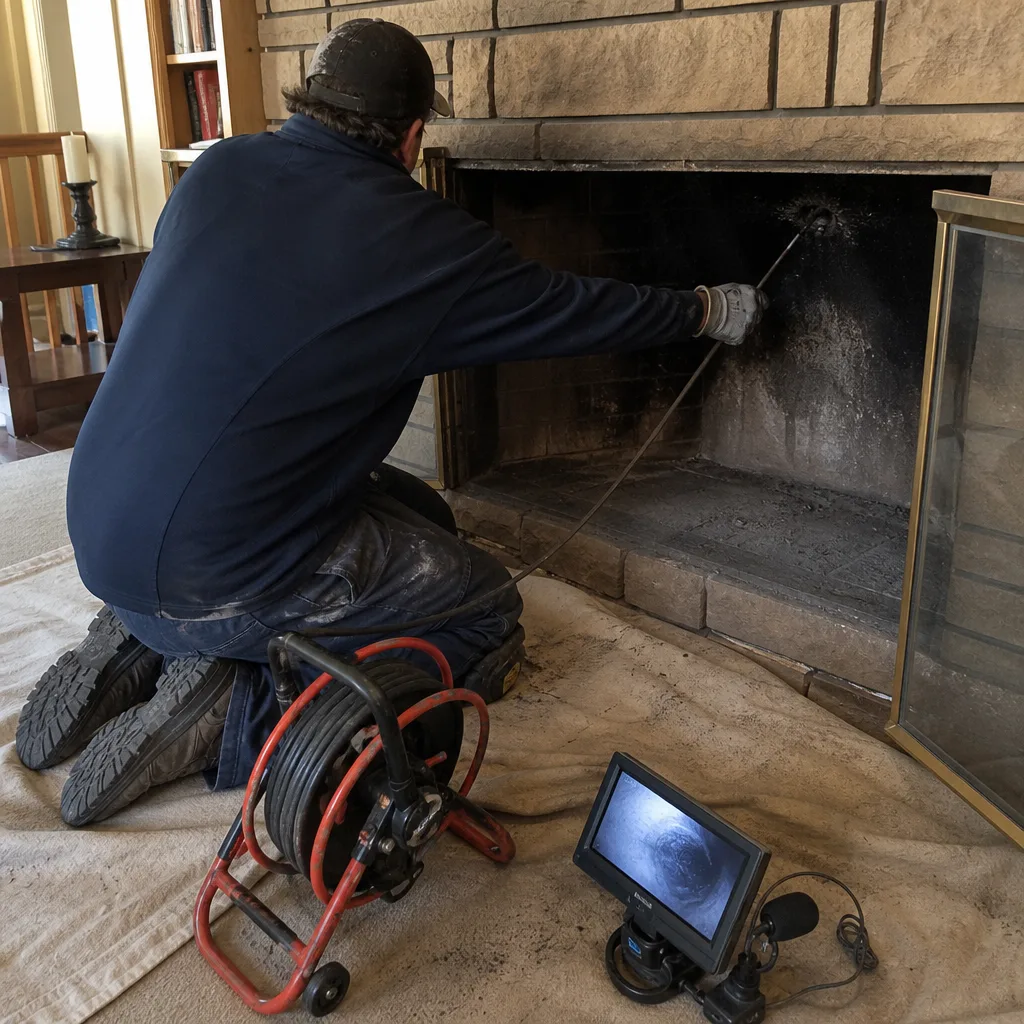
Wood-burning fireplaces in Great Kills’s older homes are usually the original masonry firebox, and most have been burning for years without a proper flue inspection. When draft suffers or smoke rolls out onto the hearth, we run a camera up the flue to see the actual condition of the tile joints and the creosote staging. Cracked tiles and heavy creosote are the two problems we find most often, and both get documented with photos before we recommend a fix.
Fireplace Insert Service
Inserts were added to a lot of Great Kills homes to improve heating, but many were installed without a properly sized stainless liner, so the appliance vents into a stack that was never designed for it. That shows up as poor draft, fast creosote buildup, or a firebox that smells of damp. We check the liner connection and the flue sizing, and where the flue needs a flexible stainless liner, we install DuraFlex, which handles older and offset flues that rigid systems can’t navigate.
Damper Repair
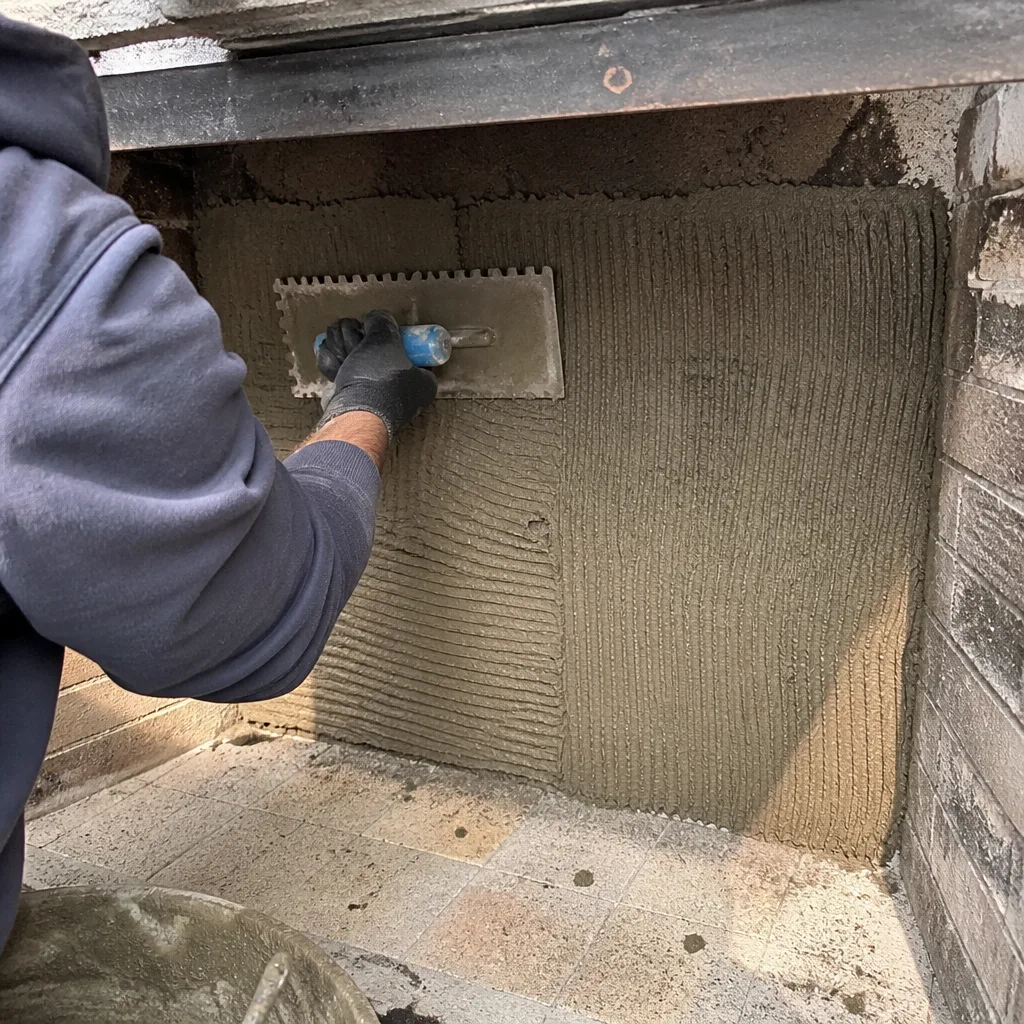
A damper that sticks open lets heated air escape up the chimney all winter and lets cold marine air pour back down. One that sticks shut is worse: you can’t safely burn. We free, repair or replace dampers that have rusted or warped from years of freeze-thaw and humid summers, and we confirm the fit closes tight so the flue isn’t drawing when you’re not using it.
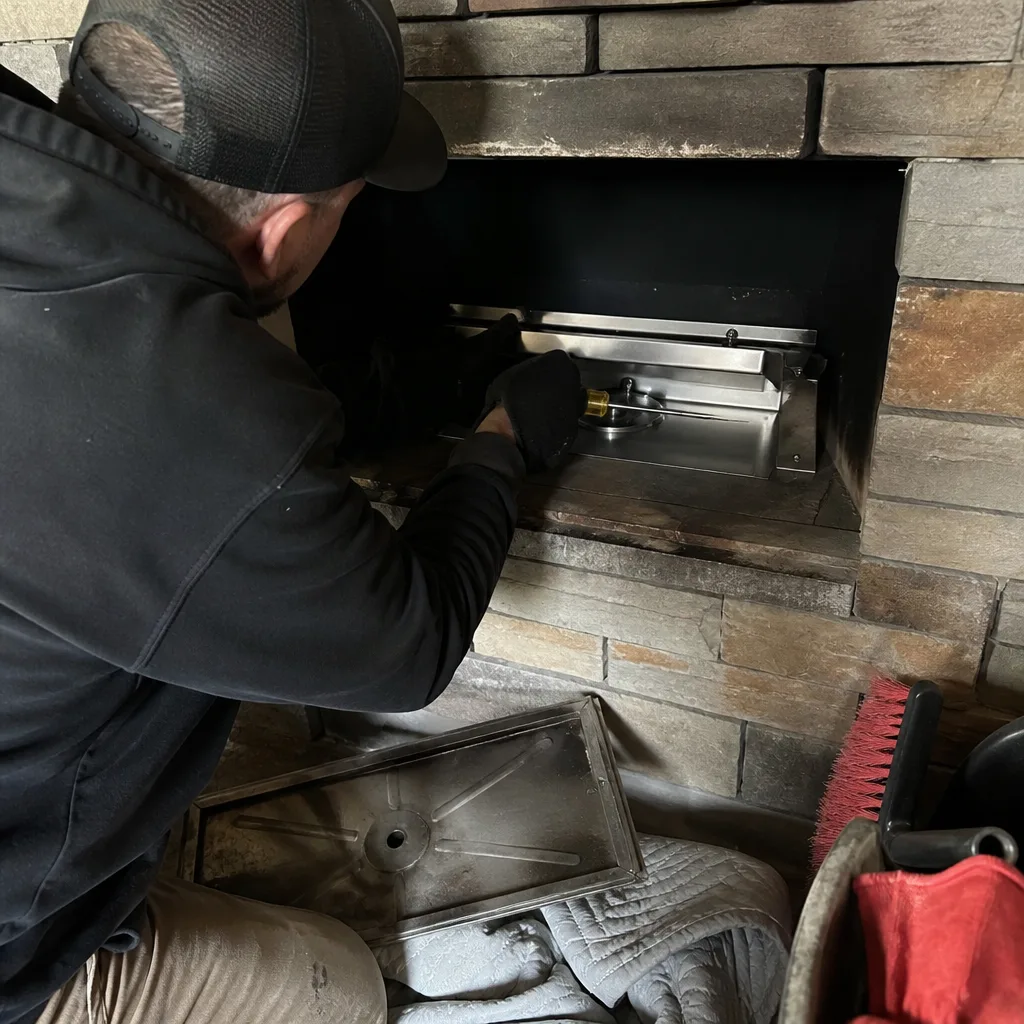
Gas Fireplace Repair and Pilot Light Repair
Gas fireplaces in Great Kills face their own issues. Pilot lights that won’t stay lit, clogged burner ports, and thermocouples that fail are the common calls. Gas lines and ignition components are work for a trained professional, and we don’t recommend handling them yourself. We diagnose the problem, explain what’s actually wrong, and show you the evidence before any part is replaced.
Trusted Brands We Service in Great Kills
We work with professional-grade brands: DuraFlex for flexible stainless liners, HeatShield for flue resurfacing, Gelco, Olympia Chimney, Famco and Copperfield for caps, dampers and related components. These are the same materials chimney engineers specify. HeatShield in particular lets us resurface a damaged flue and restore the liner without a full replacement, which is a real cost-saving option most sweep-only companies can’t offer. Because the repair and the inspection are handled by the same company, there’s no waiting on a second contractor to order parts or confirm the scope. You get a written estimate and a clear turnaround on the job.
Common Fireplace Repair Problems We See in Great Kills Homes
The failure pattern here is specific, and it rarely looks like what homeowners expect.
- Cracked original clay flue tiles. Decades of freeze-thaw and salt air crack the tiles, which lets creosote and moisture reach the surrounding masonry. This is often invisible from the hearth and only turns up on a Level 2 camera inspection.
- Inserts added without a correctly sized liner. Great Kills’s 1950s – 70s brick homes often got a fireplace insert for heat, but many were dropped into a stack never designed for the appliance. Draft suffers and creosote builds fast.
- Missing or storm-damaged caps on shorefront blocks. Nor’easter winds tear caps loose, and once the cap is gone, driven rain soaks the firebox and erodes the crown mortar from the inside out.
- Spalling brick and crumbling crown mortar. The marine climate of damp winters and humid summers speeds up mortar joint erosion. Left alone, it lets water into the chimney body and shortens the life of the whole stack.
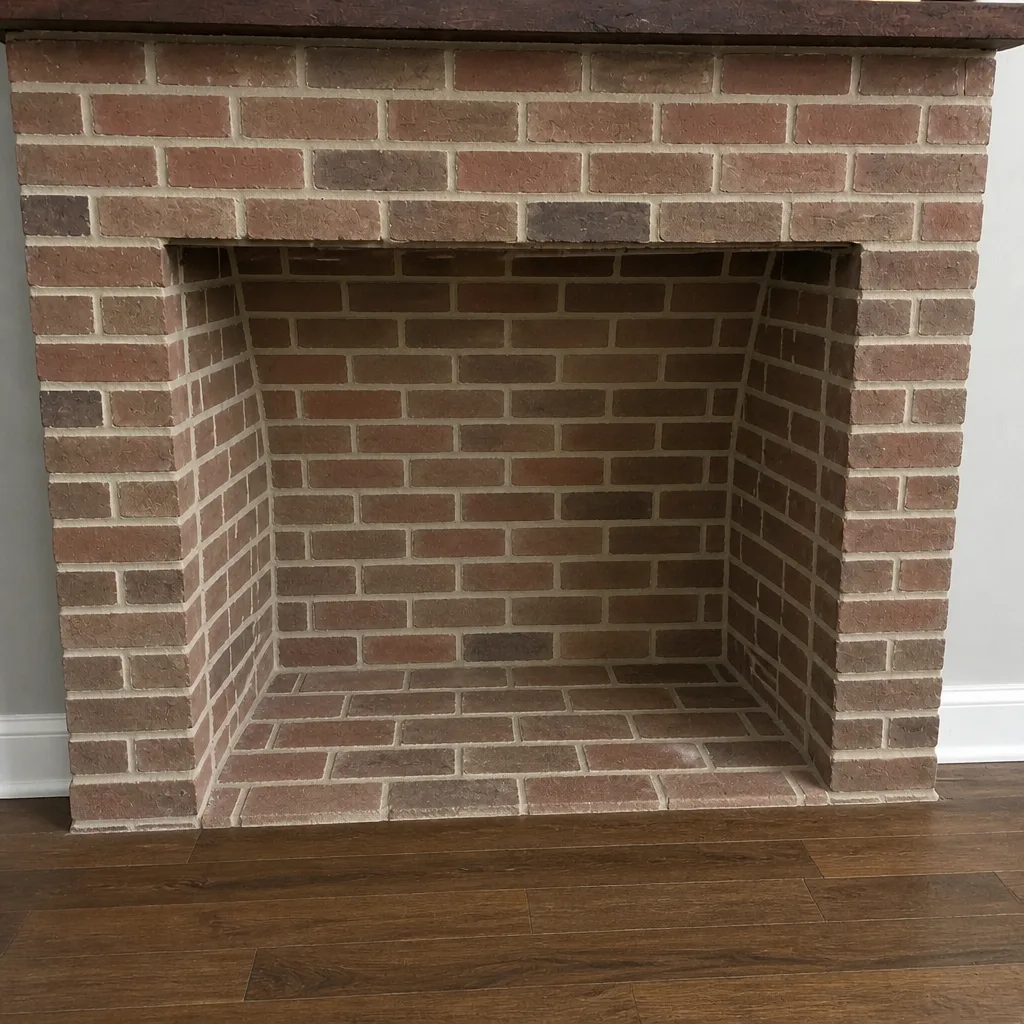
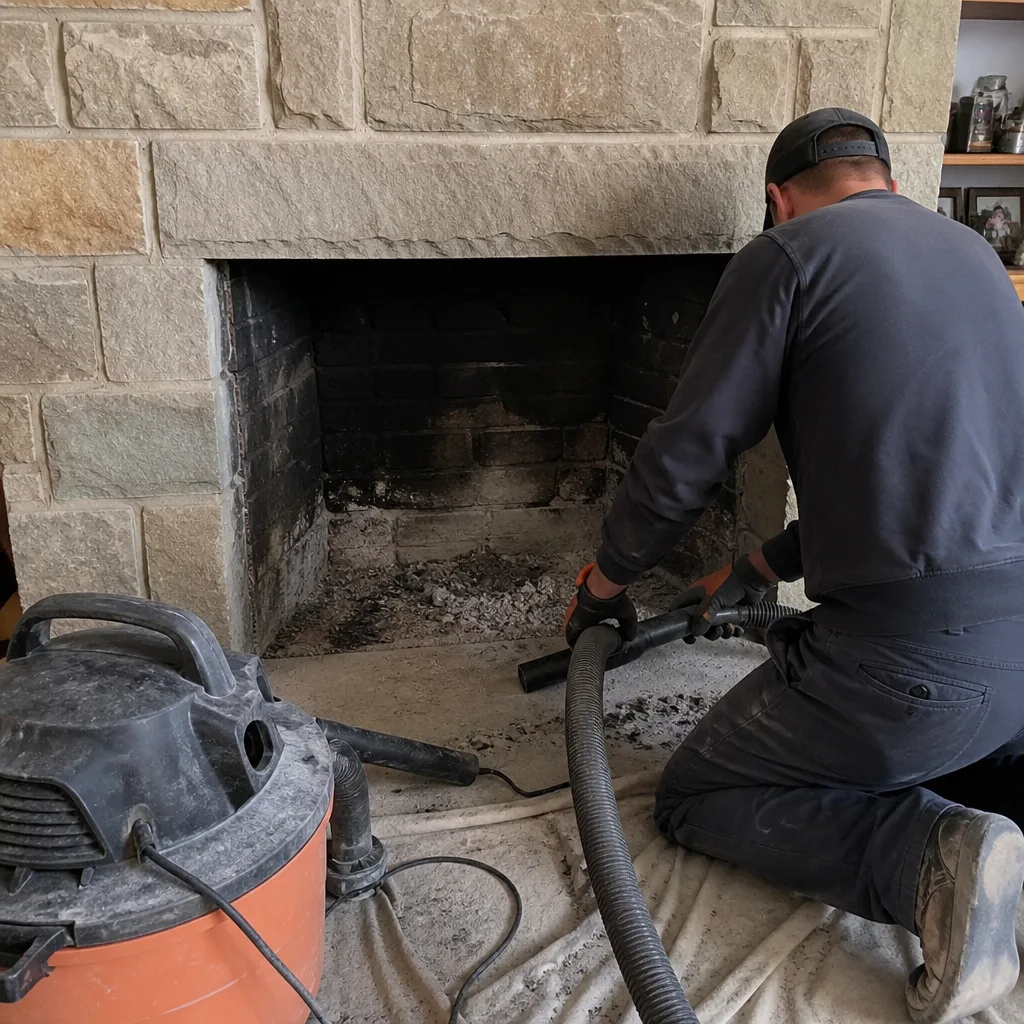
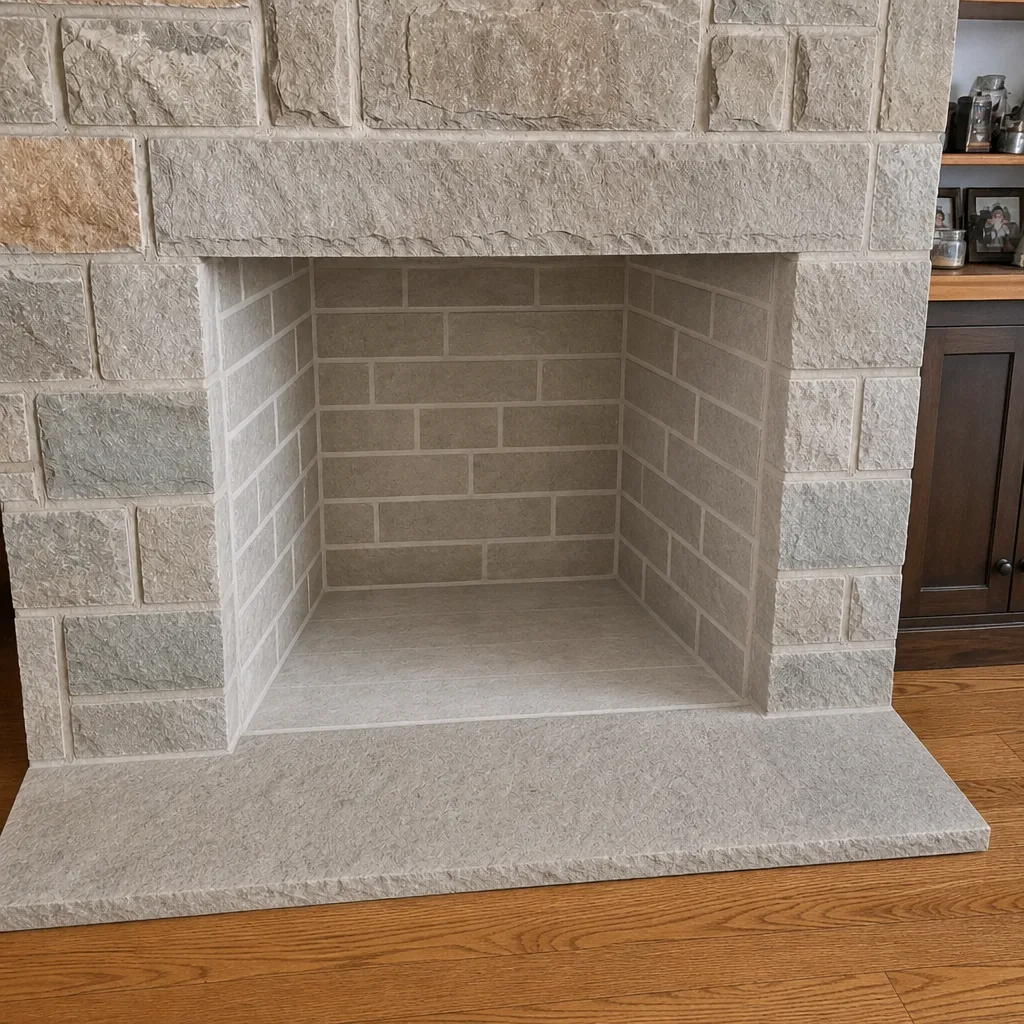
See the difference
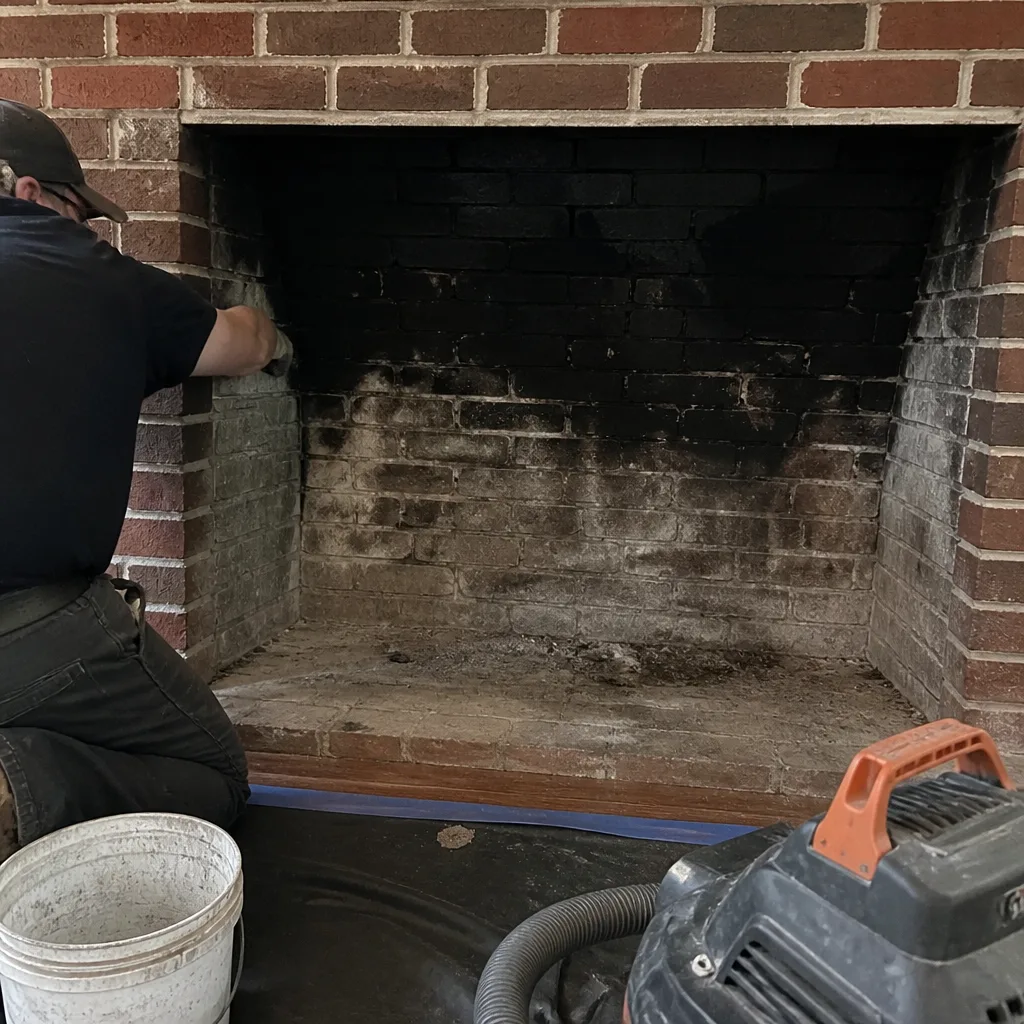 Before
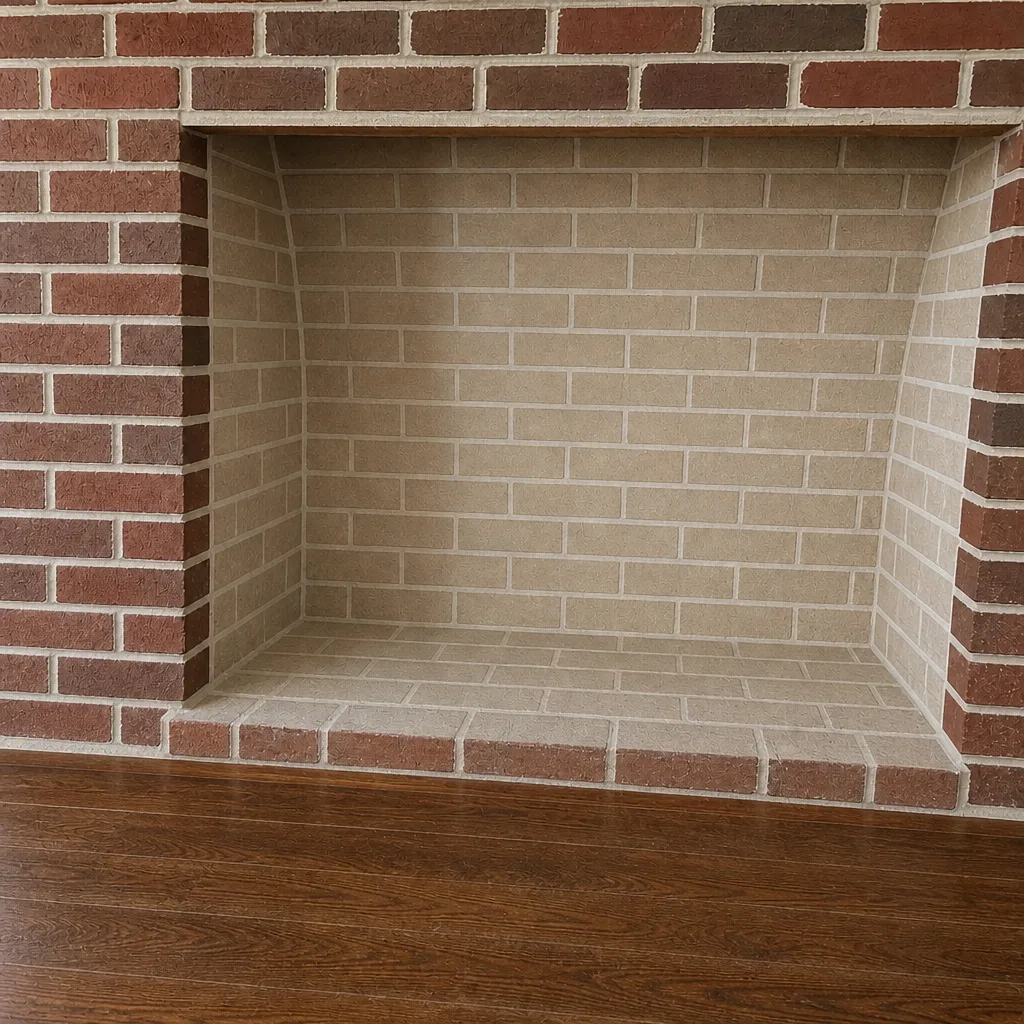 After
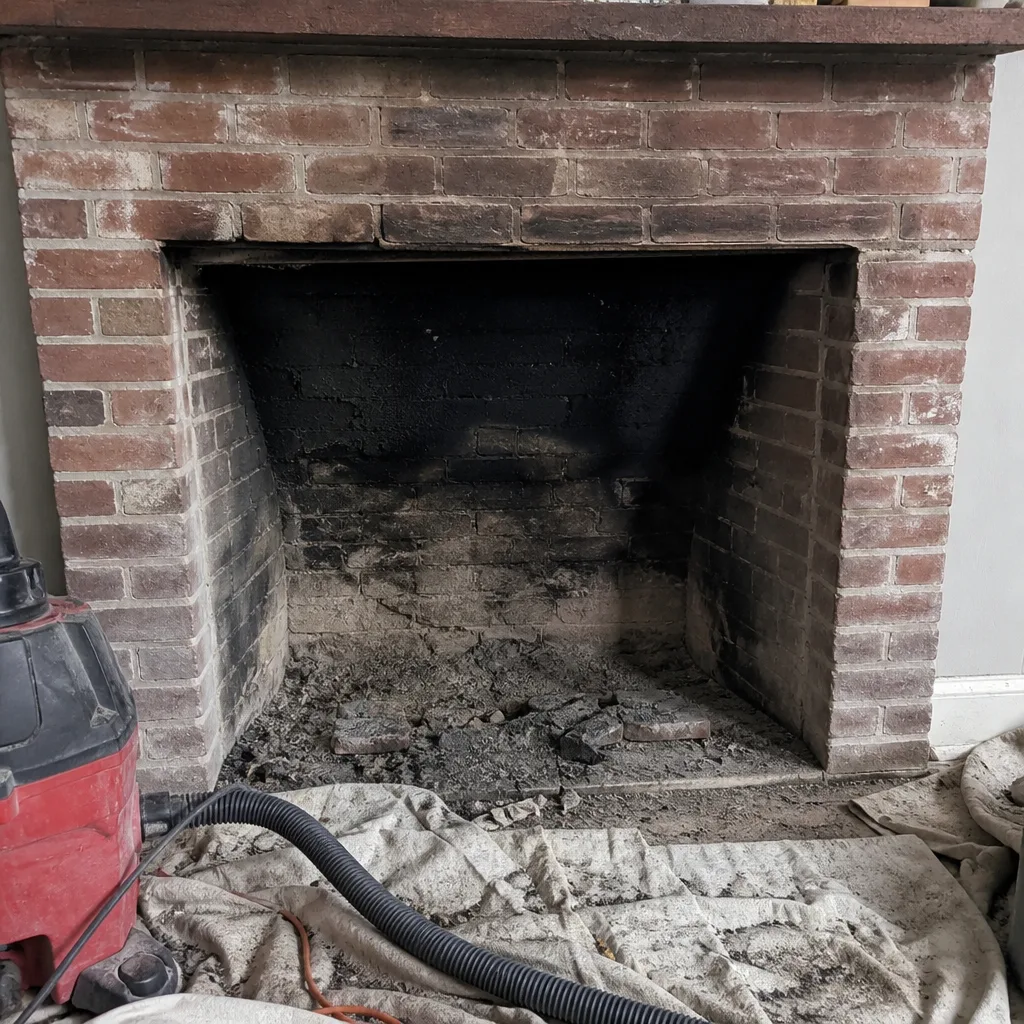 Before
 After
 Before
 After
The Low-Tide Smell and Why Great Kills Chimneys Fail Differently
On Great Kills’s shorefront blocks, the tell-tale sign of a failed chimney cap isn’t something you can see from the hearth. It’s a firebox that smells like low tide after a nor’easter. Wind-driven rain has soaked the stack and the flue has no working cap to shed it, so the odor settles into the firebox and lingers. Inland chimney sweeps rarely come across this, because their chimneys aren’t taking salt spray and ocean wind on a regular basis. When we find that smell in a Great Kills home, we inspect the cap, the crown, and the flue for water intrusion before we touch anything else, because a repair that ignores water getting in from the top is a repair you’ll be back to redo.
Here’s how a typical job in one of these 1950s – 70s brick homes usually goes. A fireplace that drafts poorly or smells of damp usually traces back to original clay flue tiles cracking with age or a firebox insert dropped in without a properly sized flue liner. A qualified local pro runs a camera up the flue to document the tile joints and the creosote staging, then confirms the chimney crown and cap are intact before recommending whether the fix is a HeatShield-resurfaced flue, a new stainless liner, or simply re-capping and repointing spalled mortar. That order matters. You diagnose from evidence, then decide on the repair.
This is where the industry’s worst upselling happens. A homeowner is told they need thousands of dollars of liner or masonry work and has no way to verify any of it. Our answer to that is direct: nothing gets recommended without camera evidence you can see for yourself, on your property, before you approve a thing. And we’ll tell you plainly when a repair can safely wait and when it can’t.
Pricing for Fireplace Repair in Great Kills, NY
Great Kills fireplace repair is estimated per job, and the written estimate sets the final price. Typical ranges for the market are below, so you have a real starting point before you call.
- Damper repair or replacement: typically $150 – $400, depending on whether the damper is freed or fully replaced.
- Gas fireplace or pilot light diagnosis and repair: typically $150 – $350.
- Insert service and liner connection check: typically $250 – $600.
- Flue resurfacing with HeatShield: typically $800 – $1,800, depending on flue length and condition.
- Full stainless liner installation (DuraFlex): typically $2,000 – $4,500 for the liner and connection.
What moves the number is the actual condition of the flue, the length and configuration of the stack, and whether the repair is resurfacing versus a full liner. Coastal wear adds to it: spalled brick and crown work often travel with a fireplace repair in Great Kills. You see the camera findings and the estimate before anything is approved. Call (833) 509-4937 for a free estimate.
We Also Serve Cities Near Great Kills
We take on fireplace repair in the communities around Great Kills too. If you’re in Annadale, Eltingville, Grant City or New Dorp, the same coastal wear patterns apply, and the same camera-first approach comes with us. Book a sweep and inspection, see what the flue actually looks like, and get a written estimate before any repair is scheduled.
Serving Great Kills, NY – Our Local Coverage Area
We serve Great Kills and nearby communities. Use the map below to see the area we cover. If you’re nearby, we can almost certainly help.
FAQs – Fireplace Repair in Great Kills
That smell usually means your chimney cap is missing or failed and nor’easter wind is driving rain into the firebox. The flue has no working cap to shed the water, so it soaks the stack and settles into the firebox. We inspect the cap and crown, confirm water intrusion with camera and a visual check, and recommend a new cap and any repointing the moisture has caused.
Not always. Many original clay tiles in Great Kills homes are cracked but still surfaceable. A camera inspection shows us the condition of the tile joints, and where the tiles are intact enough, we can resurface the flue with HeatShield instead of tearing out the liner. If the tiles are too far gone, a DuraFlex stainless liner is the fix. The inspection tells us which, and you see the evidence before you decide.
Yes, if it doesn’t already have one sized to the appliance. An insert vented into an oversized or unlined stack drafts poorly and builds creosote fast, because the flue was never designed for it. We check the liner connection and flue sizing, then quote a properly sized liner only if the inspection shows it’s needed.
Level 1 is a routine visual check during a cleaning, done on a chimney in known good condition with no changes. Level 2 adds a camera through the flue and happens after an insert install, a storm, a change in how the fireplace burns, or a sale. Level 3 means opening the chimney structure and is reserved for a known or suspected hidden problem. For most Great Kills homes with original tiles or an insert, Level 2 is the right starting point.
First-degree creosote is a light, flaky soot removed with a standard sweep. Third-degree is a hardened, glazed deposit that clings to the flue and is the highest chimney-fire risk; a brush won’t touch it and it takes a chemical sweep or resurfacing to clear. Great Kills’s fast creosote buildup from under-sized or unlined flues makes third-degree deposits more likely, so an inspection that maps the staging matters. Call (833) 509-4937 for an exact quote – estimates are free.
If your fireplace is smoking, smelling of damp, or you’ve been told it needs work without seeing the evidence, call Charleston Chimney Sweep Pros at (833) 509-4937 for a free estimate. We answer 24/7, and fast dispatch runs 7am to 7pm. We’ll book a sweep and camera inspection in Great Kills, show you what’s actually going on inside your chimney, and quote the repair in writing before anything starts.
Written by the team at Charleston Chimney Sweep Pros.